
Giovanni da Palestrina: Renaissance Master of Sacred Polyphony
Giovanni Pierluigi da Palestrina (c.1525–1594) shaped Catholic liturgical music with clear, balanced polyphony; his masses and motets set enduring standards for counterpoint and choral writing.
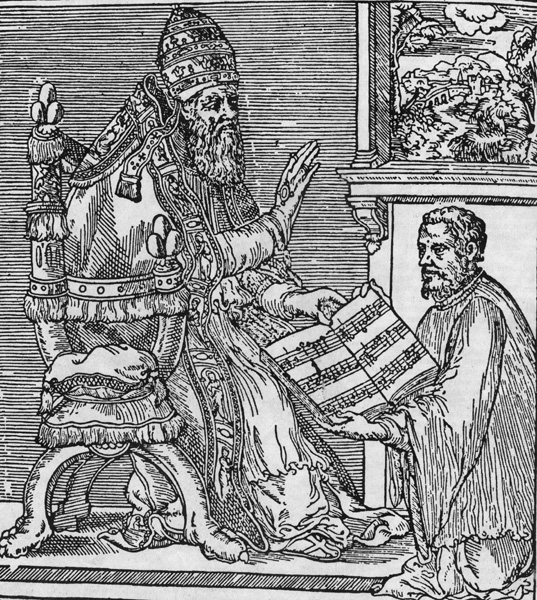
Giovanni Pierluigi da Palestrina (born in the town of Palestrina, c.1525; died 2 February 1594 in Rome) is widely regarded as one of the foremost composers of sacred music of the late Renaissance. Working mainly in Rome, he produced a large body of liturgical music—masses, motets, settings of the Lamentations and other church pieces—as well as some secular madrigals. His music became a touchstone for the style of clear, balanced polyphony associated with high Renaissance choral practice and has been studied for centuries as a model of contrapuntal writing.
Image gallery
8 Images




Life and career
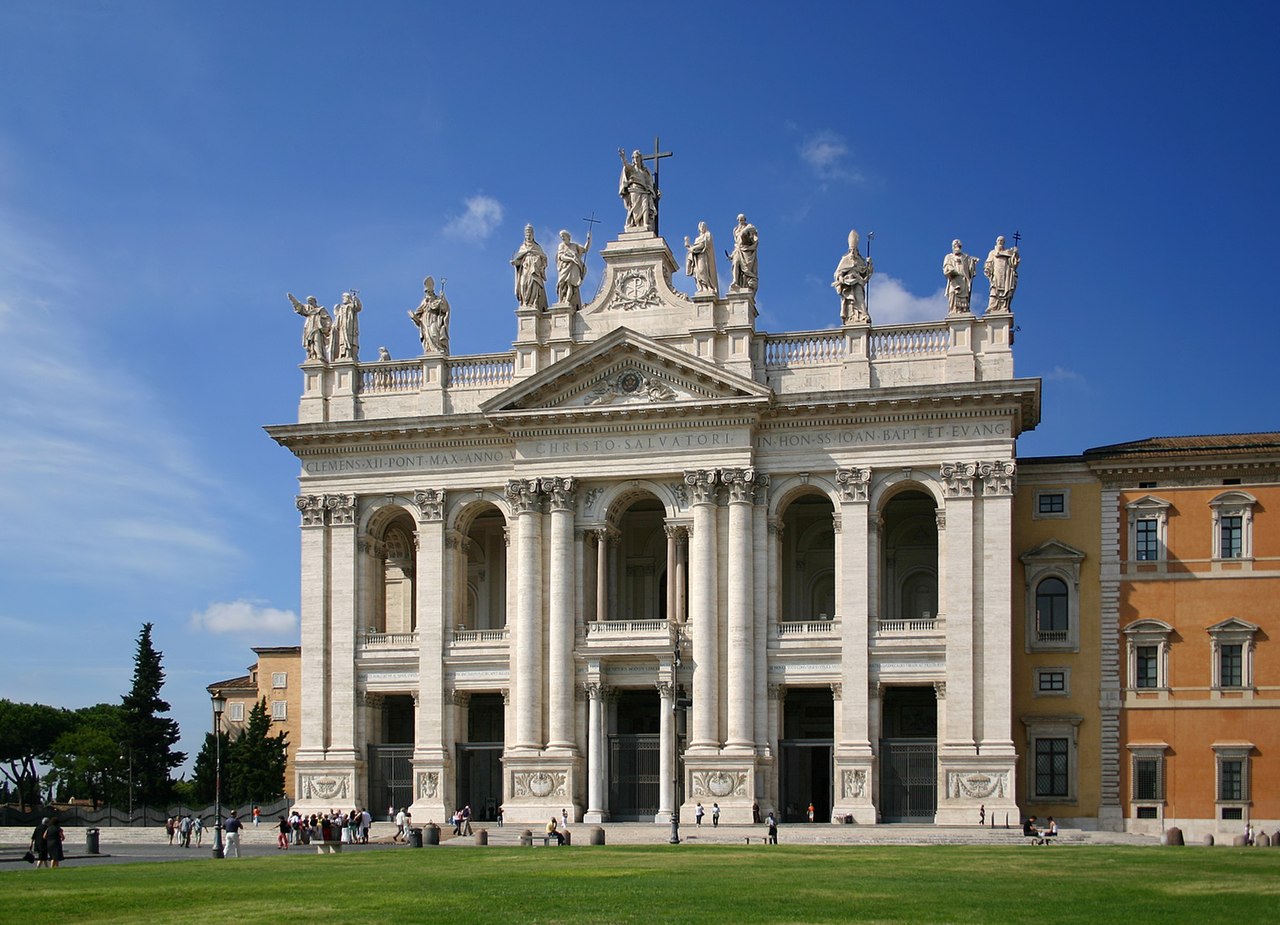
Palestrina took his name from his birthplace and little is known with certainty about his exact birth date; many local records were lost when the town suffered a fire in 1577. He is believed to have begun his musical life as a choirboy and later held positions in Rome, including organist and choir director at Santa Maria Maggiore. He attracted the attention of influential patrons and popes and was appointed to important posts connected with the papal liturgy. During his career he moved between appointments at major Roman churches and was active in the city’s rich musical life until his death. Biographical traditions also report that he married and had family ties that supported his household while he composed and worked as a teacher and choir leader.
Compositional output
Palestrina's surviving works include a large number of masses (often cited as about ninety-three), many motets, hymns, psalm settings and occasional secular pieces such as madrigals. Among his most famous compositions is the Missa Papae Marcelli, long associated—perhaps mythically—with the musical debates of the Council of Trent. His masses range from simple, predominantly homophonic settings designed to make the text clear, to complex polyphonic structures that demonstrate refined skills in imitation and voice-leading.
Musical style and techniques
Key features of Palestrina's style are transparent polyphony, smooth melodic lines, careful control of dissonance and a strong sense of textual clarity. He balanced imitative counterpoint with moments of homophony so that the words remained intelligible in liturgical performance. His treatment of cadence, his use of stepwise motion and his rules for resolving suspensions and dissonances were later formalized in pedagogical accounts of counterpoint. Composers and theorists admired the way his voices interact: each line is independent yet contributes to a coherent harmonic whole.
Influence, pedagogy and legacy
Palestrina's legacy extends beyond the repertory he left behind. In the eighteenth century his style was codified in counterpoint manuals—most famously by Johann Joseph Fux, who presented an idealized "Palestrina style" in his treatise on species counterpoint. For generations of students, choir directors and composers, Palestrina has represented an exemplary model for writing balanced polyphony and setting sacred text. Modern scholarship has nuanced the heroic narratives: the relationship between Palestrina's music and contemporaneous liturgical reform was complex, and the composer worked within established Roman practices rather than single-handedly defining them.
Reception and modern performance
From the seventeenth century onward Palestrina's music was copied, printed and taught across Europe; his works remained central to Catholic liturgical music and to the training of musicians. In the twentieth and twenty-first centuries his compositions continue to be performed by professional and amateur choirs, and recordings have increased public familiarity with his sound world. Performers and scholars debate questions of tempo, pronunciation and instrumental doubling, but the essential qualities of clarity, linear flow and expressive restraint keep his music in active repertory.
Further reading and resources
- Biography and basic chronology
- Catalogue of works and mass listings
- Contemporary Rome and liturgical context
- General studies of Italian Renaissance music
- Analyses of Palestrina's compositions
- Overview of the Renaissance era in music
- Information on voice types and choral practice
- Studies on polyphony and text setting
- Recordings and modern editions of works
- Writings on counterpoint pedagogy
- Technical analyses of imitation and voice-leading
- Scholarly perspectives on Palestrina's historical role
Palestrina remains an essential figure for understanding Renaissance sacred music. While later composers and theorists adapted his techniques, the particular combination of textual clarity, contrapuntal discipline and lyrical line in his work continues to attract performers, teachers and listeners interested in the craft of choral composition and the musical life of early modern Europe.
Questions and answers
Q: Who was Giovanni da Palestrina?
A: Giovanni da Palestrina was an Italian composer of church music during the Renaissance period.
Q: What type of music did he compose?
A: He composed mostly choral music, which is polyphonic in nature and has different voices singing different words and parts of the tune at the same time.
Q: Where was he born?
A: He was born in a town called Palestrina.
Q: What is known about his birthdate?
A: Unfortunately, any records of his birth were destroyed when the town burned in 1577, so we are not sure of the exact date.
Q: How did he become successful?
A: After being a choirboy in Palestrina, he got a job as organist and choir director at the Roman basilica of Santa Maria Maggiore. His talent caught the attention of Pope Julius III who gave him the job as master of Capella Juliana, which was the top job for composers in Italy at that time.
Q: How many masses did he compose?
A: He composed 93 masses (musical settings for communion services).
Q: How does his work compare to other composers from this period?
A: Palestrina and Lassus were considered to be two greatest composers from late Renaissance period.
Related articles
Author
AlegsaOnline.com Giovanni da Palestrina: Renaissance Master of Sacred Polyphony Leandro Alegsa
URL: https://en.alegsaonline.com/art/119850