
John Paul Stevens
John Paul Stevens (1920–2019) was an Associate Justice of the U.S. Supreme Court (1975–2010), known for pragmatic reasoning, influential opinions on administrative law, and a late-career opposition to capital punishment.
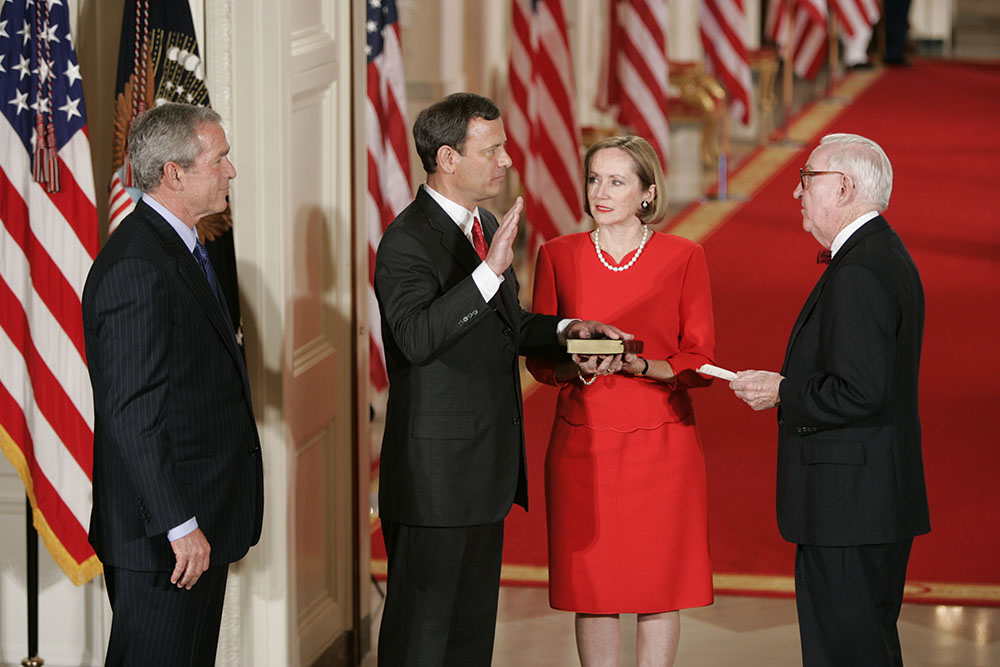
John Paul Stevens served as an Associate Justice of the Supreme Court for more than three decades. Nominated in 1975 by President the administration of Gerald Ford, he became widely respected for an independent, pragmatic approach to judging and for opinions that shaped administrative and constitutional law.
Image gallery
6 Images


Early life and career
Born in 1920, Stevens pursued a career in law and public service before his appointment to the high court. He served in World War II and practiced law and taught at the bar prior to joining the federal judiciary. His experience before the Court included work as a lawyer and as a judge on lower federal benches, which informed his methodical, text-conscious style.
Judicial philosophy and role on the Court
Stevens was neither doctrinaire conservative nor doctrinaire liberal; he often took a case-by-case view, emphasizing practical consequences, statutory interpretation, and institutional competence. Over time he became identified with the Court’s moderate-to-liberal wing on many social and civil-rights issues. He also authored opinions that remain central to administrative law and deference doctrines.
Notable opinions and positions
- He wrote key judicial opinions on the relationship between agencies and courts that influenced how administrative decisions are reviewed by judges.
- In the 2000 presidential-election dispute, he joined the dissent from the Court’s decision in Bush v. Gore, criticizing the majority’s resolution.
- Although his views evolved, Stevens became a vocal opponent of the death penalty later in life and argued that it raised serious constitutional concerns.
Retirement, writings, and legacy
Stevens retired from the Court in 2010 and remained active in public debate afterward. He published work urging reform of constitutional rules and the judiciary, and he continued to lecture and write on law and civic topics. His practical reasoning, measured dissents, and influence on administrative law are part of his lasting legacy.
Stevens died on July 16, 2019, from complications of a stroke while in hospice care in Fort Lauderdale, Florida. His death was noted by colleagues, scholars, and observers who remembered a jurist committed to careful analysis and independent judgment throughout a long tenure on the nation’s highest bench. Further reading and biographical summaries are available from legal historians and institutions. For a contemporary account and obituary notices see news archives and memorials maintained by legal organizations and libraries. Additional resources include dedicated court histories and educational pages maintained by institutions.
Related articles
Author
AlegsaOnline.com John Paul Stevens Leandro Alegsa
URL: https://en.alegsaonline.com/art/122616