
Al Gore: American politician, vice president, and climate advocate
Biography of Al Gore, covering his political career, 2000 presidential campaign, climate activism, major works and awards, and his lasting influence on public debate about global warming.
Overview
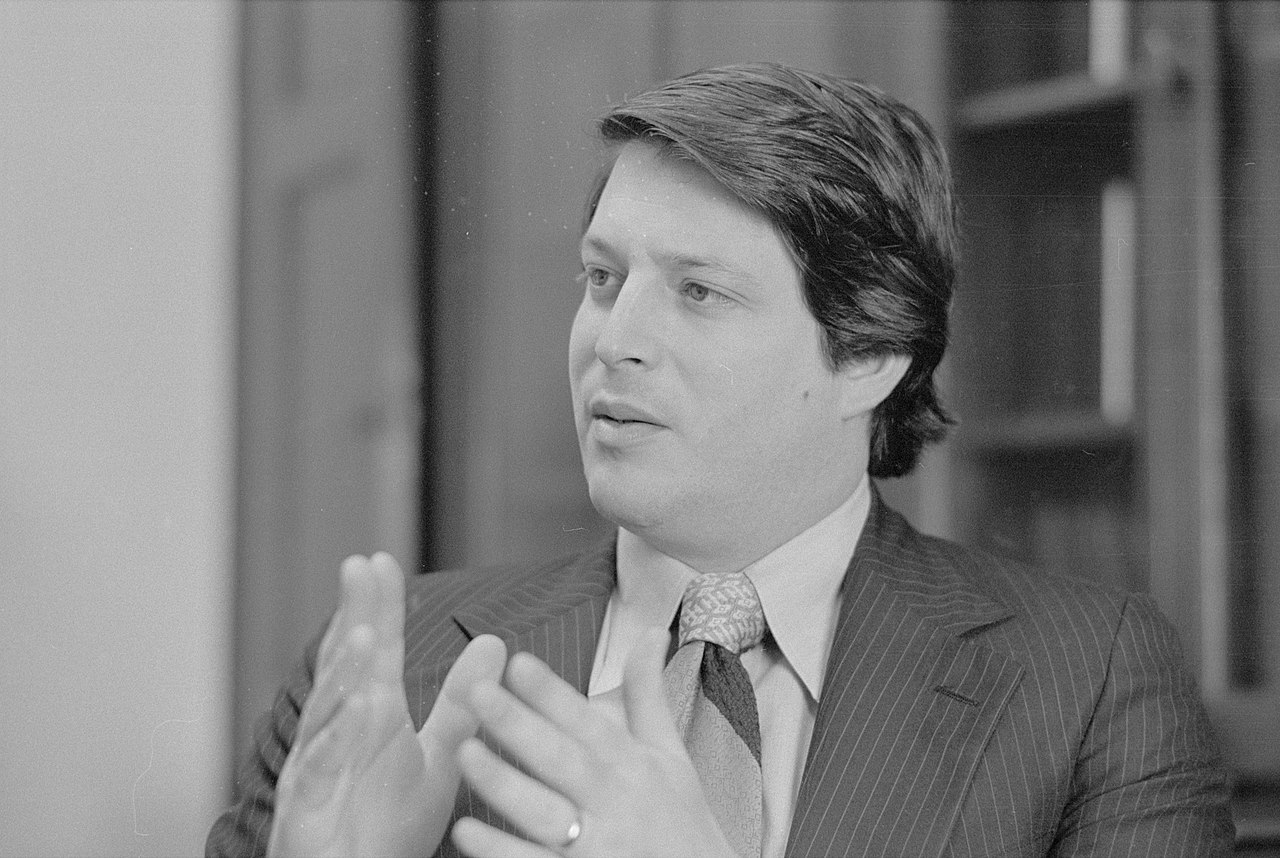
Albert Arnold "Al" Gore Jr. (born March 31, 1948) is an American politician, author, and environmental campaigner who served as the 45th vice president of the United States from 1993 to 2001. A member of the Democratic Party, he represented Tennessee in both the U.S. House of Representatives and the U.S. Senate before serving two terms as vice president under President Bill Clinton. After narrowly losing the 2000 presidential election, Gore became a leading public figure in efforts to raise awareness about climate change.
Image gallery
10 Images




Early life and political career
Gore was born into a family active in Tennessee politics and attended Harvard University. He entered public life as a congressional aide and then won election to the U.S. House in the 1970s, later moving to the Senate. During his congressional career he worked on issues ranging from technology and telecommunications to energy policy. His legislative background and national profile led to his selection as Bill Clinton's running mate in 1992.
Vice presidency (1993–2001)
As vice president, Gore focused on a mix of domestic and policy priorities. He chaired initiatives on technology, the environment, and government reform, and acted as a close adviser to the president on politics and policy. The Clinton–Gore administration presided over a period of economic growth and pursued measures on deficit reduction, trade, and technological modernization of government services.
2000 presidential campaign and aftermath
Gore was the Democratic nominee for president in 2000. The outcome of the election hinged on vote counts in Florida and a subsequent U.S. Supreme Court decision that effectively resolved the dispute in favor of his opponent, George W. Bush. The result highlighted tensions in the U.S. electoral system and led to debate about recount procedures and the Electoral College. Although Gore conceded the election, he retained a prominent public profile and shifted much of his attention to environmental issues.
Climate activism and later work
Following his time in elective office, Gore focused on climate science and public education about global warming. He produced and narrated the documentary film An Inconvenient Truth (2006), authored several books on the subject, and co-founded organizations to promote low-carbon technologies and policy responses. In recognition of his efforts to increase public understanding of climate change, Gore shared the 2007 Nobel Peace Prize with the Intergovernmental Panel on Climate Change (IPCC).
Legacy and notable facts
Gore's legacy spans legislative work on technology and environment, his role as vice president during the 1990s, and his influence on public discourse about climate change. He remains a contentious figure for some—praised by environmental advocates and criticized by opponents—but his work helped shift climate change into a central topic of global policy discussions. Gore has continued to lecture, write, and support initiatives aimed at reducing greenhouse gas emissions and promoting sustainable energy.
Selected roles and publications
- Political offices: U.S. Representative, U.S. Senator, Vice President of the United States
- Major works: An Inconvenient Truth (film), books and essays on climate policy and technology
- Awards: Nobel Peace Prize (2007, shared with the IPCC) and other recognitions for environmental advocacy
Further reading and resources
- Official biography and overview
- Congressional record and legislative history
- Vice presidential archive materials
- Clinton administration policy summaries
- Senate service and votes
- House of Representatives service
- Democratic Party affiliation and platform roles
- 2000 presidential campaign materials
- Election analysis and commentary
- Information on the 2000 transition and outcome
- Florida recount and state reports
- U.S. Supreme Court decision summaries
- Post-2000 activism and organizations
- Climate projects, reports and educational resources
Questions and answers
Q: Who is Albert Arnold Gore Jr.?
A: Albert Arnold Gore Jr. is a former American politician, Democrat, and the 45th vice president of the United States under Bill Clinton from 1993 to 2001.
Q: What were Al Gore's political positions before becoming the vice president of the United States?
A: Al Gore was a U.S. senator and a congressman for Tennessee.
Q: Did Al Gore win the 2000 United States presidential election?
A: No, Al Gore was the Democratic nominee but lost the electoral vote to Republican candidate George W. Bush because of Florida and the US Supreme Court ruling a 5-4 favor of Bush, but he got more votes.
Q: What has Al Gore been focusing on after the election?
A: After the election, Al Gore became an activist focusing on climate change.
Q: What did Al Gore win in 2007?
A: Al Gore won the Nobel Peace Prize in 2007.
Q: Was Al Gore supposed to be the president before the supreme court decision?
A: Yes, Al Gore was supposed to be president before the supreme court decision.
Q: How many votes did Al Gore receive in the 2000 United States presidential election?
A: The answer is not specified in the text.
Related articles
Author
AlegsaOnline.com Al Gore: American politician, vice president, and climate advocate Leandro Alegsa
URL: https://en.alegsaonline.com/art/113909
Sources
- law.cornell.edu : "George W. Bush, et al., Petitioners v. Albert Gore, Jr., et al., 531 U.S. 98 (2000)"
- nytimes.com : nytimes.com/2002/05/12/us/cash-poor-hospital-for-women-closes-doors.html
- washingtonpost.com : "Columbia Women's Hospital To Close"
- pbs.org : "Gore Chronology"
- nobelprize.org : The Nobel Peace Prize for 2007
- inquisitr.com : "Al Gore 2016: Support Starting To Build For Another Presidential Run"
- talkingpointsmemo.com : "Mark Halperin Is Dead Serious About Al Gore In 2016 (VIDEO)"
- salon.com : "Al Gore is the single-issue candidate we need"
- abcnews.go.com : "Al, Tipper Gore Shock Friends With Divorce Announcement"