
John Inman — English actor best known as Mr. Humphries
English comic actor John Inman (1935–2007) gained international fame as the camp shop assistant Mr. Humphries in the BBC sitcom Are You Being Served? His career spanned television, stage and pantomime.
Overview
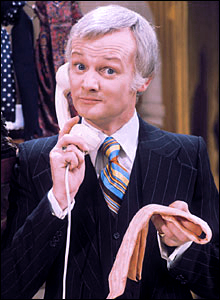
Frederick John Inman (28 June 1935 – 8 March 2007) was an English actor celebrated for his theatricality and comic timing. He achieved widespread recognition for portraying Mr. Humphries, a brisk, camp sales assistant, in the BBC sitcom Are You Being Served? that became a defining role of 1970s British television.
Image gallery
3 Images

Career and signature role
Inman’s performance as Mr. Humphries combined precise physical comedy with a memorable catchphrase and mannerisms that made the character instantly recognizable. The show, produced by the BBC, ran across the 1970s and into the early 1980s, and spawned tours, specials and a feature film. His portrayal helped the series reach audiences beyond the UK and established him as a familiar face on television.
Stage, pantomime and other work
Beyond the sitcom, Inman worked extensively in stage comedy and pantomime, often headlining touring productions. He moved between screen and live theatre throughout his career, drawing on musical skills and timing developed in variety shows to entertain family audiences and fan bases in regional theatres.
Public image and legacy
Mr. Humphries became a cultural shorthand for camp humour in late 20th-century Britain. While Inman guarded his private life, his on-screen persona resonated as an icon in LGBTQ cultural history and in popular comedy more broadly. He remained associated with the role long after the series ended.
Notable facts
- Born in Preston, Lancashire, Inman enjoyed a career spanning television and live performance.
- His most famous line and physical mannerisms entered popular culture and are often recalled in retrospectives.
- The show’s success led to international broadcasts and stage adaptations, increasing his profile.
- He died in 2007, remembered for a distinctive contribution to British comedy.
For further reading on his life and career see general references on British television comedy and biographies of performers from the period via media archives: actor profiles, historical overviews of 1970s television and production notes from the early 1980s era. Additional context is available through broadcasters and fan retrospectives: career summaries, archived interviews and programme guides at broadcaster records.
Related articles
Author
AlegsaOnline.com John Inman — English actor best known as Mr. Humphries Leandro Alegsa
URL: https://en.alegsaonline.com/art/122509