
John Everett Millais: Pre-Raphaelite founder and Victorian portraitist
English painter John Everett Millais (1829–1896), co‑founder of the Pre‑Raphaelite Brotherhood, noted for works like Ophelia and later celebrated for portraits of public figures.
Overview
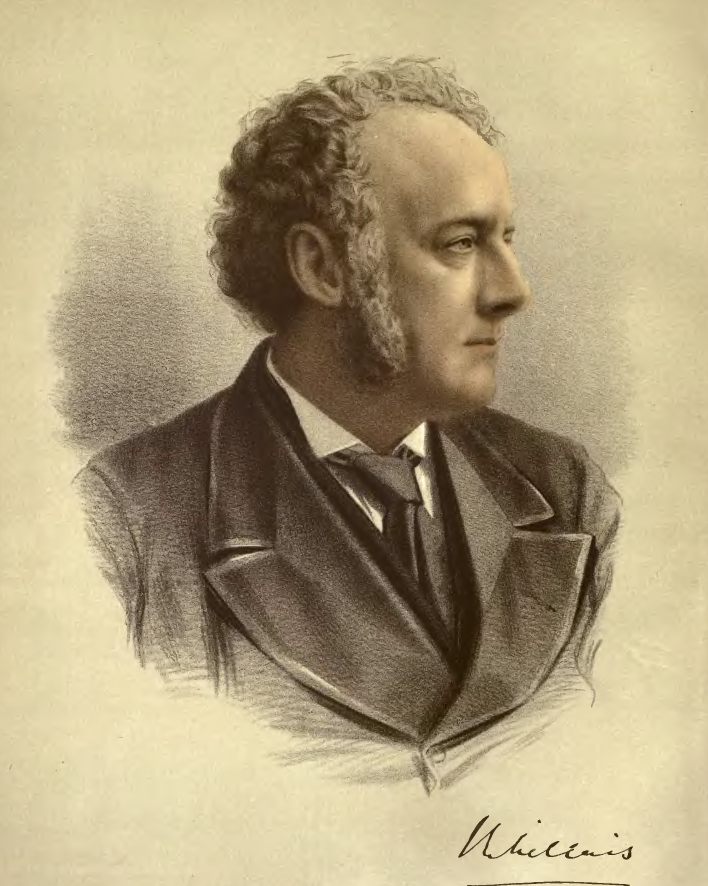
Sir John Everett Millais (8 June 1829 – 13 August 1896) was an English painter whose career bridged the radical Pre‑Raphaelite movement and the mainstream British art establishment of the later Victorian era. He was a co‑founder of the Pre‑Raphaelite Brotherhood, and in his early years produced some of the movement's most iconic images. Later in life he achieved wide acclaim as a portraitist of politicians, writers and public figures.

Image gallery
10 Images




Early career and the Pre‑Raphaelite Brotherhood
Millais was one of three young artists who established the Pre‑Raphaelite Brotherhood in 1848 with the aim of renewing art through intense observation of nature, truthful detail, vivid colour and literary themes. Works from his Pre‑Raphaelite phase are characterised by meticulous detail, bright, jewel‑like colouring and carefully composed narratives drawn from literature, history and the Bible. He often painted en plein air to capture natural light, foliage and texture with painstaking accuracy.

Style and characteristics
- Detailed naturalism: close observation of plants, fabrics and facial expression.
- Literary subjects: scenes from Shakespeare, medieval tales and poems rendered as visual narratives.
- Colour and light: bright palettes and careful handling of light effects to heighten drama.
- Transition to portraiture: later work shows broader brushwork and concern for likeness and social stature.
Major works and examples
Among Millais's best‑known paintings are Ophelia, a luminous portrayal of Shakespeare's tragic heroine, and The Princes in the Tower, a dramatic imagining of a historical mystery. He also produced sensitive genre pictures and, later, highly sought‑after portraits of leading figures of his time. A partial list of notable works includes:
- Ophelia — celebrated for its floating figure and botanical detail.
- The Princes in the Tower — a historical narrative painting.
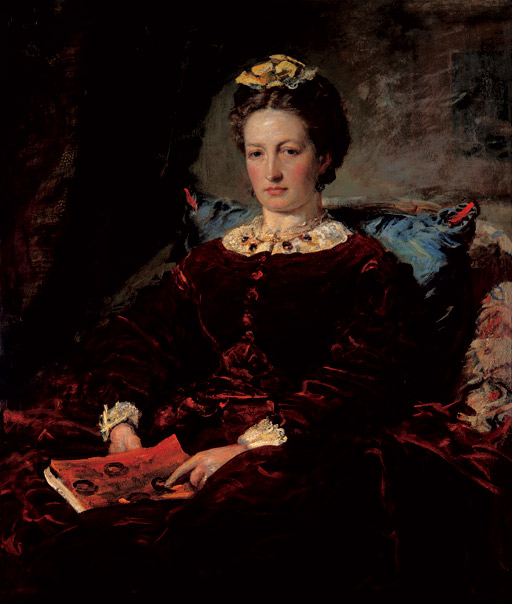
- Portraits of public figures — commissions that established his reputation among the politically and culturally prominent.
- Various genre scenes and studies that display his range from microscopic detail to formal portraiture.

Personal life and controversies
Millais's private life attracted public attention when he married Euphemia "Effie" Chalmers Gray after the annulment of her earlier marriage to the critic John Ruskin. That episode—partly because of Ruskin's celebrity and the unusual circumstances of their separation—was often dramatized in later accounts and fiction. Millais and Effie had a large family and she was frequently his companion and model.

Legacy and later recognition
In the later decades of his career Millais became one of Britain's most prominent and commercially successful painters, earning honours and commissions from the cultural and political elite. He was created a baronet and held high office in the art world late in life. While some critics faulted his stylistic shift away from the radicalism of his youth, his technical skill, range and influence on Victorian painting remain widely acknowledged. For further reading on his life and work, see major studies and museum collections that discuss his role in the Pre‑Raphaelite movement and his subsequent career as a portraitist: biography and overview, analysis of major paintings, discussion of the Ruskin–Effie episode and catalogues of portraits and commissions.
Related articles
Author
AlegsaOnline.com John Everett Millais: Pre-Raphaelite founder and Victorian portraitist Leandro Alegsa
URL: https://en.alegsaonline.com/art/122446