
Johann Pachelbel — German Baroque composer and organist
Johann Pachelbel (1653–1706) was a German Baroque composer and organist best known for his keyboard and church music, notably the Canon in D, and for influencing later composers including the Bach family.
Overview
Johann Pachelbel was a prominent German Baroque composer and organist, baptized on 1 September 1653 in Nuremberg and buried there in March 1706. He produced a substantial body of keyboard and liturgical music that enjoyed wide local esteem during his lifetime and experienced a broad revival of interest in modern times. Today he is best known to general audiences for the Canon in D, a short chamber piece that has become a favorite at weddings and public ceremonies.
Image gallery
10 Images



Life and career
Pachelbel received his earliest musical training in his native city before pursuing further studies. He spent time at the University of Altdorf and later at the Gymnasium Poeticum in Regensburg, where patrons recognized and supported his talent. A period in Vienna exposed him to a wider repertory and to music from Italy and southern Germany; the influence of these styles appears in his writing and his approach to church music. After short appointments — including a stay in Eisenach — he took the post of organist at the Predigerkirche, Erfurt, and later returned to Nuremberg where he served at St. Sebald until his death.
Music and style
Pachelbel wrote extensively for keyboard instruments and for Protestant church services. His output includes chorale preludes, toccatas, fugues and suites for harpsichord and organ as well as vocal and chamber pieces. He combined contrapuntal techniques with clear melodic lines and a harmonically straightforward style that appealed to church congregations and keyboard players alike. Musicologists note the blend of northern contrapuntal tradition and the influence of Italian and southern German styles in his textures and forms.
Works and roles
- Keyboard and organ works: chorale preludes, toccatas, fugues and variations — representative of his craft in keyboard music.
- Church music: cantatas and liturgical pieces written for Protestant services.
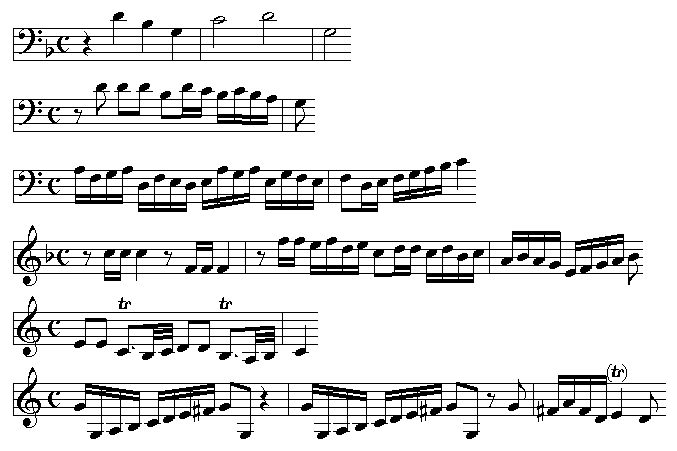
- Secular and chamber pieces: the Canon in D — often cited as his most famous surviving chamber work — and various other instrumental compositions sometimes grouped as compositions.
- Positions: student and musician in Regensburg and Vienna; posts in Eisenach and Erfurt; final appointment in Nuremberg.
Pachelbel also taught and influenced younger musicians. Among his pupils was Johann Christoph Bach, a member of the extended Bach family; through such links Pachelbel’s methods and repertory contributed indirectly to the training of Johann Sebastian Bach and to the development of North German keyboard practice.
Legacy and notable facts
While Pachelbel enjoyed recognition as an organist and teacher in his own lifetime, several aspects of his posthumous reputation are notable: his Canon in D became globally familiar long after his death, especially during the 20th century; his chorale-based keyboard pieces remain important in organ pedagogy; and modern performers and scholars value him for the clarity and tunefulness of his writing. His music is often recommended to players learning Baroque counterpoint because it combines clear harmonic progressions with accessible contrapuntal technique. For introductions to his life and works see contemporary collections and recordings, and consult specialist references for detailed catalogs of his surviving scores (Nuremberg archives and others).
Today Pachelbel is remembered both as a skilled church musician who shaped local liturgical practice and as a composer whose modest, well-crafted pieces have retained broad appeal. His balance of teaching, performance and composition made him a central figure in the musical life of German cities during the Baroque era, and his influence can be traced through succeeding generations of keyboard composers.
Questions and answers
Q: Who was Johann Pachelbel?
A: Johann Pachelbel was a German composer and organist. He is very famous for his organ music, as well as other keyboard music and music for the Protestant church.
Q: Where did he grow up?
A: He grew up in Nürnberg and had his first music lessons there.
Q: What is his most popular piece of music?
A: His Canon in D has become a very popular piece of music and is often played today at church weddings and other events.
Q: Where did he study after leaving Nuremberg?
A: After leaving Nuremberg, he went to study at the university of Altdorf, but after a year he had to leave because his father could not afford to keep him. About a year later he went to study at the Gymnasium Poeticum in Regensburg. The directors of that school must have realized that he was an extremely talented musician, because they made an extra scholarship for him and allowed him to have special music lessons outside the school.
Q: Where did Pachelbel go next?
A: In 1673 he went to Vienna where he was deputy organist at St Stephen’s Church. He heard a lot more music there, especially the music of the catholic composers of South Germany and Italy. After a short while at Eisenach he got the job of organist at the Predigerkirche in Erfurt.
Q: How many children did Pachelbel have?
A: Pachelbel had seven children; two daughters from his first marriage (his wife died during childbirth) and five sons from his second marriage.
Q: Who did Johann Pachelbel teach ?
A: Johann Pachelbel taught Johann Christoph Bach who later taught Johann Sebastian Bach
Related articles
Author
AlegsaOnline.com Johann Pachelbel — German Baroque composer and organist Leandro Alegsa
URL: https://en.alegsaonline.com/art/122285