
Joan Fontaine
Joan Fontaine (1917–2013) was a British-born American film and stage actress, Best Actress Oscar winner for Suspicion (1941), and a notable leading lady of Hollywood's Golden Age.
Joan de Beauvoir de Havilland, known professionally as Joan Fontaine, was a prominent screen and stage performer whose career peaked during Hollywood's Golden Age. Born in Tokyo in 1917 to British parents, she later moved to the United States and became an American citizen during the 1940s. Fontaine gained wide recognition for a refined, often vulnerable screen persona and for roles in psychologically charged dramas and thrillers. She is remembered both for her artistic achievements and for a long-running, publicized rivalry with her sister, the actress Olivia de Havilland.
Image gallery
10 Images


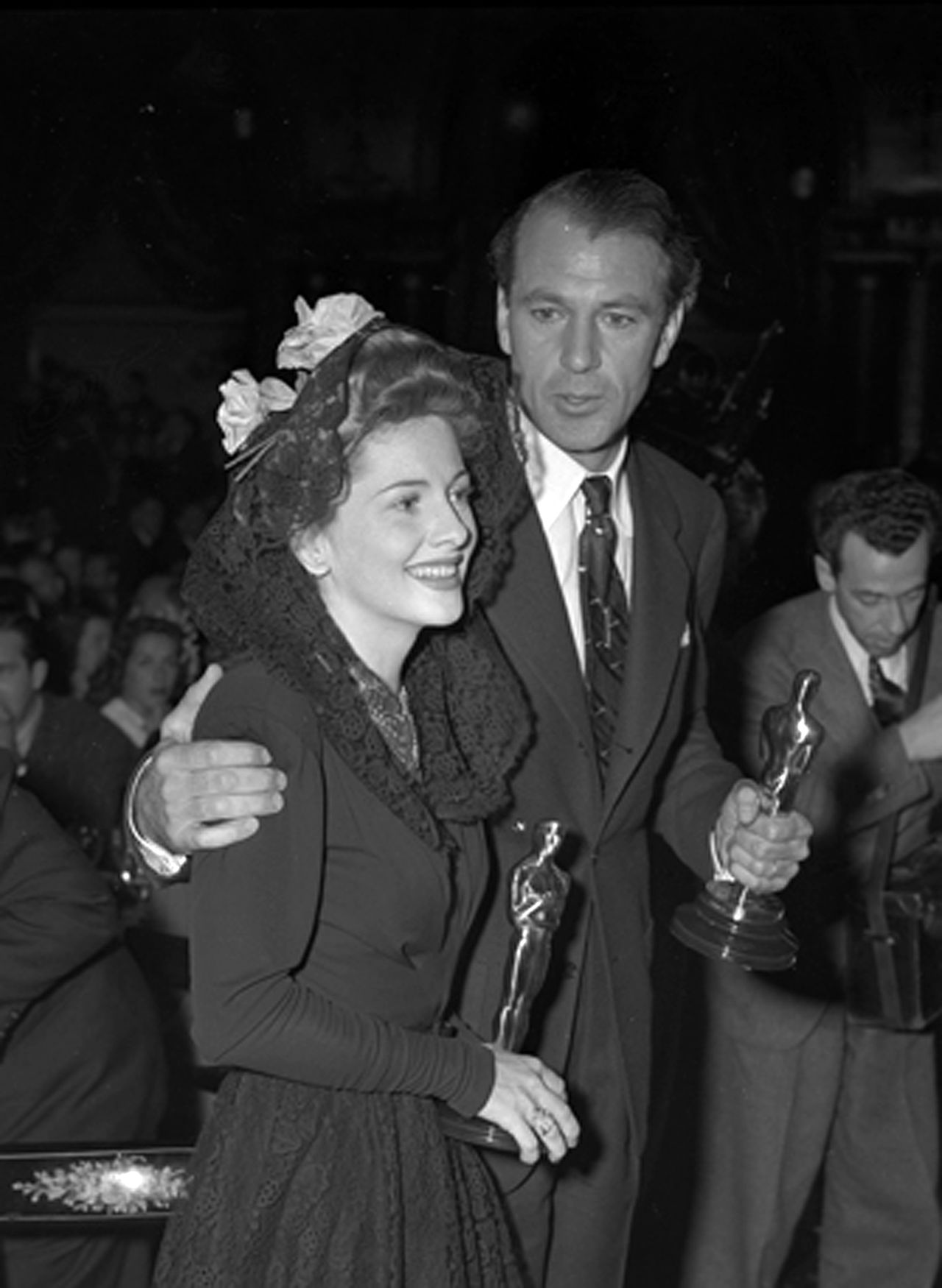


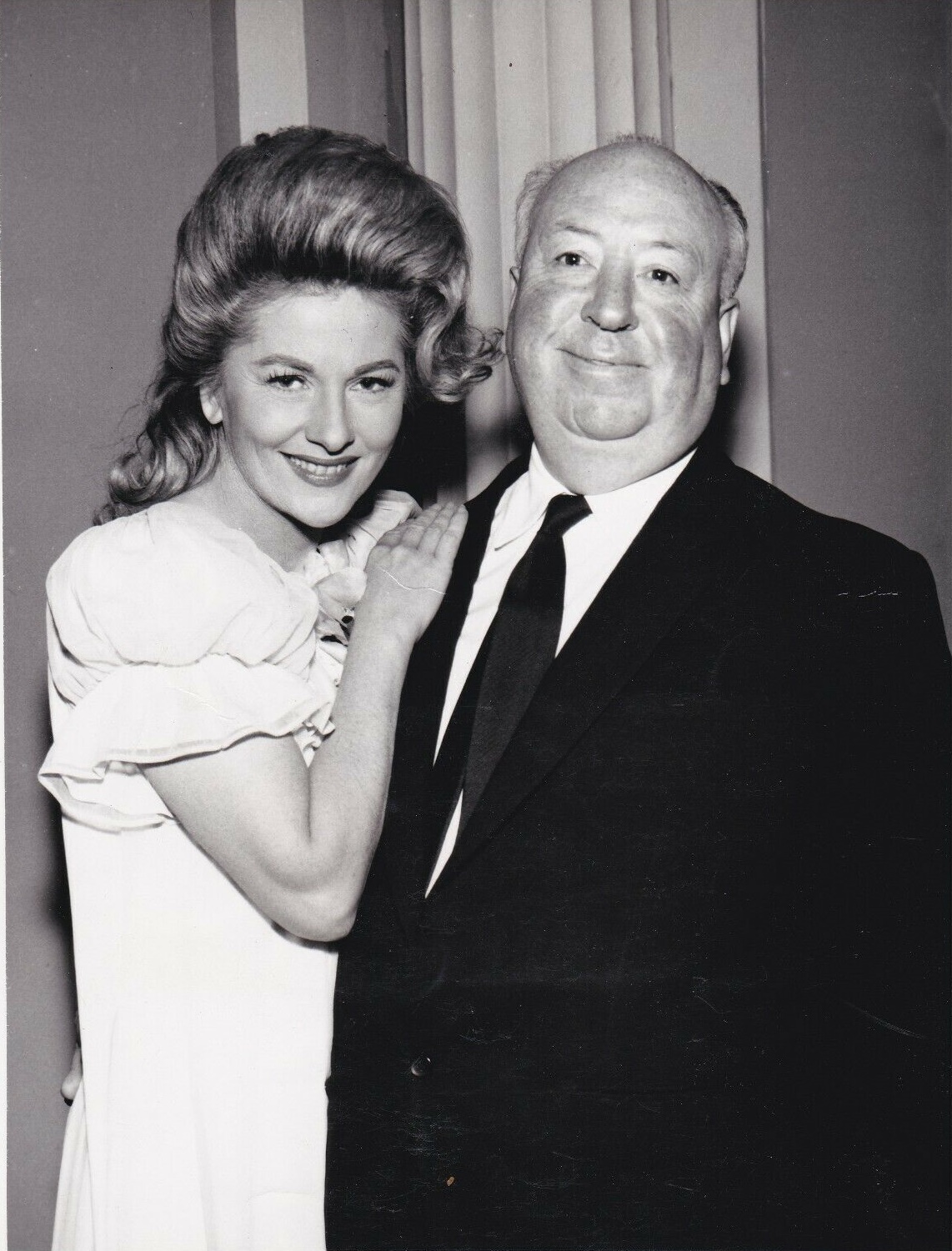


Early life and training
Fontaine was raised in a family connected to the arts and received formal stage training that prepared her for work in theatre and film. Her early years included time in England and the United States, and she began performing on stage before establishing herself in motion pictures. The combination of stage discipline and an elegant presence helped her transition to film roles that demanded psychological subtlety and emotional restraint.
Career highlights
Fontaine's film career included collaborations with major directors and appearances in a variety of genres, though she is most often associated with romantic melodrama and suspense. She earned her greatest acclaim for her performances under director Alfred Hitchcock, receiving an Academy Award nomination for Rebecca and winning the Academy Award for Best Actress for Suspicion (1941). Fontaine remains the only woman to win the Best Actress Oscar for a role in a Hitchcock-directed film. Beyond cinema she worked in theatre, radio and television, adapting her craft to changing media over decades.
- Notable screen work
- Rebecca (leading role; early critical recognition)
- Suspicion (1941) — Academy Award for Best Actress
- Various supporting and leading roles on stage and television later in life
Acting style and public image
Fontaine was often cast as a composed, introspective heroine whose inner fears and strengths became central to the drama. Critics and film historians note her capacity to convey tension and ambiguity with subtle gestures and measured delivery. Her screen image was fashioned within the studio system of the 1930s and 1940s, which promoted carefully managed star personas; Fontaine's performances are still studied in acting and film history courses for their technical and expressive qualities.
Personal life
Throughout her life Fontaine married several times and had one child from her second marriage. Her relationship with her sister Olivia de Havilland was widely reported and often described as strained; both were successful actresses whose careers overlapped in the studio era. Fontaine also maintained a private life outside of her public persona, and she spoke in interviews about the pressures of fame and the demands of film work.
Later years and death
In later decades Fontaine continued to appear occasionally on stage and television and participated in retrospectives of classic cinema. She lived for many years in California and remained a figure of interest to film historians and classic-film audiences. Fontaine died on December 15, 2013, at her home in Carmel-by-the-Sea, California. Reports stated she died of natural causes at age 96.
Legacy
Joan Fontaine is remembered as one of the notable leading ladies of the 1930s and 1940s and as an actress whose work exemplified certain strains of mid‑twentieth‑century screen acting. Her Oscar win for Suspicion remains a distinctive achievement in both her career and in the history of films directed by Hitchcock. For readers seeking more detailed information, biographies and film studies provide fuller accounts of her stage training, filmography, and the cultural context of her work. Fontaine's life bridged continents and eras: born in Asia to European parents, celebrated in Hollywood, and later a naturalized American citizen whose performances continue to be shown and discussed by classic-film enthusiasts and scholars alike.
She is often described as an actress who combined technical skill with a distinct screen personality, and her career remains a subject for study in discussions of stardom, gender, and genre in classic cinema. For curated film listings and archival materials, consult reputable film archives and scholarly works that detail Fontaine's roles and collaborations.
Related articles
Author
AlegsaOnline.com Joan Fontaine Leandro Alegsa
URL: https://en.alegsaonline.com/art/122135
Sources
- hollywoodreporter.com : Legendary actress Joan Fontaine dies at 96