
Olivia de Havilland
British–American actress (1916–2020), two-time Academy Award winner, star of Gone with the Wind and plaintiff in a landmark studio-contract case who later lived in Paris.
Overview
Olivia de Havilland (July 1, 1916 – July 26, 2020) was a prominent British–American film and stage actress whose career began in the 1930s and extended over five decades. She achieved wide recognition for her restrained, classical performances and is often remembered for her role as Melanie Hamilton in the 1939 epic Gone with the Wind. De Havilland won two Academy Awards during her career and helped shape the rights of actors through a landmark legal challenge to the studio system.
Image gallery
10 Images




Early life and background
De Havilland was born in Tokyo to British parents and spent parts of her childhood in various countries before settling in California. Her birth overseas and upbringing gave her a cosmopolitan background often noted in profiles of the actress; she later became an American citizen in 1941. Family life included a notable sibling relationship with fellow actress Joan Fontaine, with whom she had a long-standing personal rivalry that attracted public attention.
Film career and major roles
Beginning on stage and early film work in the 1930s, de Havilland developed a screen persona marked by dignity and emotional restraint. She is best known for her performance in Gone with the Wind, in which she played the gentle and steadfast Melanie opposite Vivien Leigh and Clark Gable. Over the following decades she moved between studio pictures, independent films and stage work, earning acclaim for dramatic roles that showcased her subtle craft.
Awards, legal impact and legacy
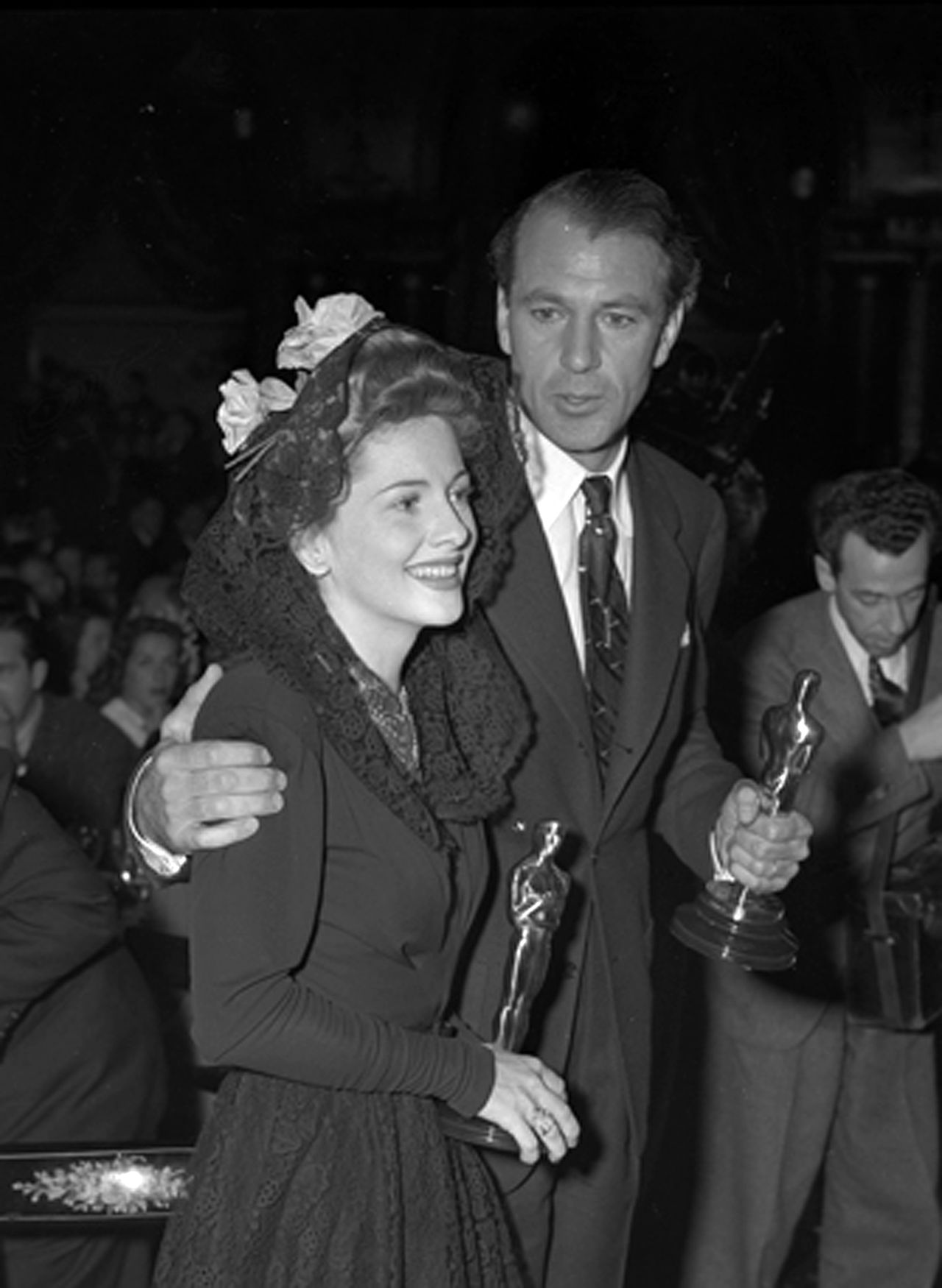
De Havilland received two Academy Awards for Best Actress, reflecting the esteem in which her work was held. Her success at the Oscars and on screen is often discussed alongside her contribution to actors' professional rights: in the mid-1940s she challenged studio contract practices in a case that curtailed indefinite studio control and helped redefine the relationship between actors and studios. That legal victory remains an important part of her legacy in film history.
Selected highlights
- Iconic supporting role as Melanie Hamilton in Gone with the Wind and continuing film lead roles through the 1940s and 1950s.
- Two Academy Awards, noted in contemporary accounts and histories of mid-20th century cinema; details and citation can be found in major film-reference sources such as records of the Academy Awards.
- A widely reported mid-1940s legal challenge that limited the studios' practice of extending actor contracts by suspensions; the ruling is frequently cited in discussions of Hollywood labor law.
Later life and notable facts
De Havilland became a symbol of an earlier Hollywood era while remaining engaged with acting and public life. She moved to France in the mid-1950s and lived in Paris for many years, where she continued to receive honors and recognition. Her longevity—she lived to be 104—brought renewed public interest in her life and career after retirement. For readers seeking primary biographical materials or archival records, sources linked below and institutional film histories often provide further documentation.
Further reading and reference anchors: birthplace references often mention Tokyo; biographical summaries and nationality details can be found via resources tagged "British" or "American" in library catalogs; cast and crew histories for Gone with the Wind note surviving cast members; and broader filmography or honors lists can be consulted through dedicated award and archive links such as Academy records.
Author
AlegsaOnline.com Olivia de Havilland Leandro Alegsa
URL: https://en.alegsaonline.com/art/127877