
Joan Baez: Folk Singer, Songwriter, and Activist
Joan Baez (born 1941) is an American folk singer and activist known for her clear soprano, political songwriting and performances at key 1960s events such as Woodstock and civil rights rallies.
Overview
Joan Chandos Baez (born January 9, 1941) is an American folk singer, songwriter and long‑time activist. She rose to prominence during the folk revival of the early 1960s and became widely known for a pure, high soprano voice, a wide vocal range, and a repertoire that blended traditional ballads, contemporary protest songs and original material. Her music and public presence have linked artistry with political engagement across decades.
Image gallery
10 Images




Voice, style and repertoire
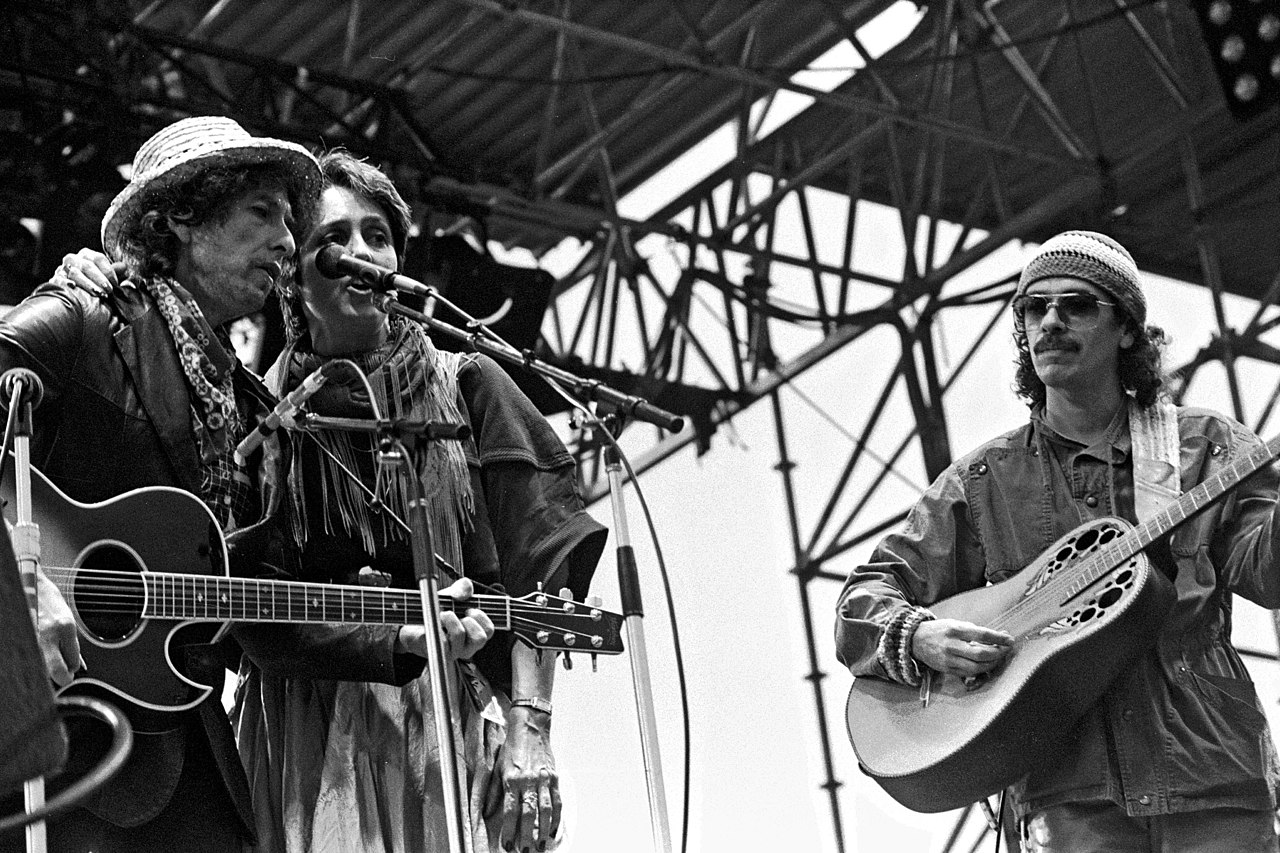
Baez's voice is often described as a clear, bright soprano with an extended range that allowed for expressive delivery of both delicate ballads and stirring anthems. She frequently accompanied herself on acoustic guitar and favored spare, unadorned arrangements that placed emphasis on lyrics and melody. Her repertoire included folk standards, labor songs, traditional ballads, covers of contemporary songwriters and originals — notably the autobiographical song "Diamonds & Rust," which reflects on past relationships and memory.
Career development and notable performances
Baez emerged from the 1960s folk scene centered in places like Greenwich Village and became a prominent recording artist and concert performer. She recorded for independent folk labels and appeared at major gatherings of the era, bringing folk and protest music to wider audiences. Her appearances at events such as the 1969 Woodstock festival and numerous benefit concerts helped cement her reputation as a voice of the era. Her professional and personal association with fellow songwriter Bob Dylan is a recurring theme in accounts of 1960s music history.
Activism and public life
Beyond performance, Baez has been active in causes including civil rights, nonviolence, anti‑war movements and environmental issues. She used concerts, benefit shows and public statements to draw attention to human rights and social justice, often aligning her artistic work with direct action and advocacy. This commitment shaped how many listeners and fellow musicians perceived the role of popular artists in public life.
Legacy, distinctions and examples
Joan Baez influenced generations of singers and songwriters who saw in her a model for combining musical craft with conscience. Her discography spans traditional folk recordings, contemporary covers and original albums, and she is remembered for both her interpretations of others' songs and her own compositions. Selected songs and performances often cited as representative include:
- Diamonds & Rust — an original reflective song that became one of her best‑known works.
- The Night They Drove Old Dixie Down — a popular cover that reached broad audiences in the early 1970s.
- Joe Hill and other labor and protest songs — examples of her traditional and political material.
- Performances at major events such as Woodstock and various civil rights rallies.
Further reading and resources
For more information about Joan Baez's recordings, performances and activism, consult biographies, discographies and archival sources. The following links point to different types of reference material and official resources:
- Official biography and overview
- Discography and recordings
- Selected song texts and lyrics
- Activism and causes
- Vocal style and analysis
- Vocal range and classifications
- Range and technical notes
- Notable songs and recordings
- Woodstock and festival appearances
- Personal life and relationships
- Connections with contemporaries
- Music and social impact
- Civil and human rights involvement
- Environmental and later advocacy work
These resources can help readers explore Baez's recordings, public statements and the historical contexts in which she worked. Her career illustrates how popular music and political commitment have intersected in modern cultural history.
Related articles
Author
AlegsaOnline.com Joan Baez: Folk Singer, Songwriter, and Activist Leandro Alegsa
URL: https://en.alegsaonline.com/art/122126
Sources
- biography.yourdictionary.com : "Joan Baez Facts"
- archive.sltrib.com : "Out and about: From Joan Baez to Kurt Bestor"
- pbs.org : "Fifty Years of Joan Baez"
- go.galegroup.com : "Gale - Enter Product Login"