
Joan Crawford: life, career, and cultural legacy
Biography of Joan Crawford (Lucille LeSueur), American film star whose career spanned silent films to television; Oscar winner for Mildred Pierce and a controversial cultural figure.
Overview
Joan Crawford (born Lucille Fay LeSueur; March 23, between 1904 and 1908 – May 10, 1977) was an American film and television actress whose career stretched from the silent era into the 1970s. She became one of Hollywood's most recognizable stars, noted for a tough, glamorous screen persona and a sustained ability to adapt to changing film styles and studio systems. For a general biography and filmography see Joan Crawford.
Image gallery
10 Images


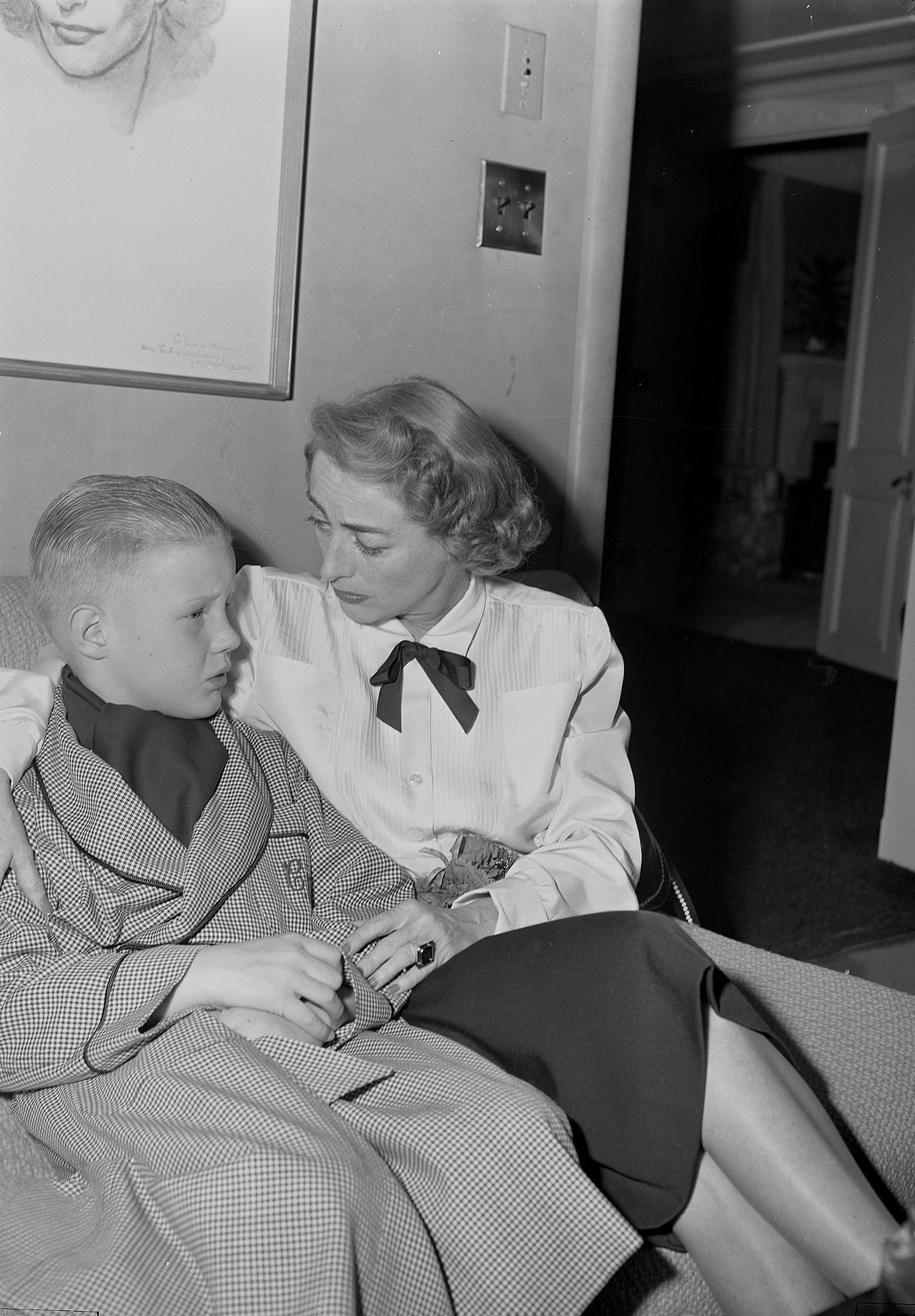


Early life and rise to stardom
Crawford began as a dancer and chorus girl in stage productions before moving into motion pictures in the 1920s. She worked under contract with major studios and became a leading lady during the late silent period. Her face and style suited the flapper era, and she successfully made the transition to talking pictures, developing greater dramatic range and screen presence as her career matured.
Notable roles and screen persona
By the 1930s and 1940s Crawford was established as a star who could play both sophisticated socialites and emotionally fraught protagonists. Her most celebrated performance came in the 1945 melodrama Mildred Pierce, for which she received the Academy Award for Best Actress. That win is documented among the records of the Academy Awards (Best Actress, 1945). Other career highlights include high-profile studio pictures that showcased her glamour and intensity.
Awards, recognition and reputation
Beyond the Oscar, Crawford's reputation has been the subject of continued reassessment. She was later named among the most significant female stars in American cinema; institutions have included her on influential lists and retrospectives, including rankings by film organizations such as the American Film Institute (AFI) and related listings (top screen actresses).
Personal life and controversies
Crawford's personal life attracted attention: she had several marriages, including to actor Douglas Fairbanks Jr., and she adopted children. After her death, her daughter Christina Crawford published a memoir alleging abusive behavior; that book and the later film adaptation sparked debate and shaped a controversial element of Joan Crawford's public image. Accounts and interpretations remain contested, and discussion continues among historians and biographers.
Legacy
Crawford's influence endures in studies of Hollywood stardom, costume and makeup design, and gender roles on screen. Films and publicity photographs preserve her carefully constructed image, and film historians regularly revisit her work in retrospectives and scholarship. Her long career—from silent films to television—illustrates both the opportunities and pressures faced by major studio stars in 20th-century American cinema.
- Career phases: chorus/dancer, silent film star, MGM leading lady, mature dramatic roles.
- Key recognitions: Academy Award win and inclusion on historic lists by film institutions.
- Notable cultural afterlife: ongoing biographies, memoir controversies, and cinematic retrospectives.
Related articles
Author
AlegsaOnline.com Joan Crawford: life, career, and cultural legacy Leandro Alegsa
URL: https://en.alegsaonline.com/art/122132