
Joan Bennett: American Actress in Film Noir and Television
Joan Bennett (1910–1990) was an American actress whose long career spanned silent films, Hollywood studio dramas, classic film noir collaborations with Fritz Lang, and notable television work including an Emmy nomination.
Joan Bennett was an American actress born on February 27 and registered in 1910. She died on December 7 at the end of 1990. Over several decades she appeared in more than seventy films and later became a familiar presence on television, earning an Emmy nomination for her work. Her career illustrates the arc of Hollywood from the silent era into the television age.
Image gallery
10 Images
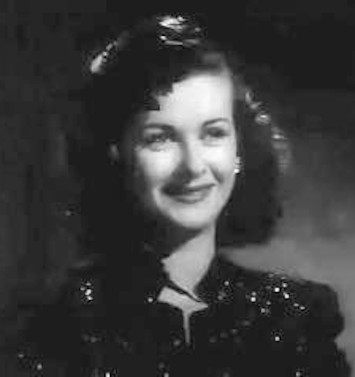


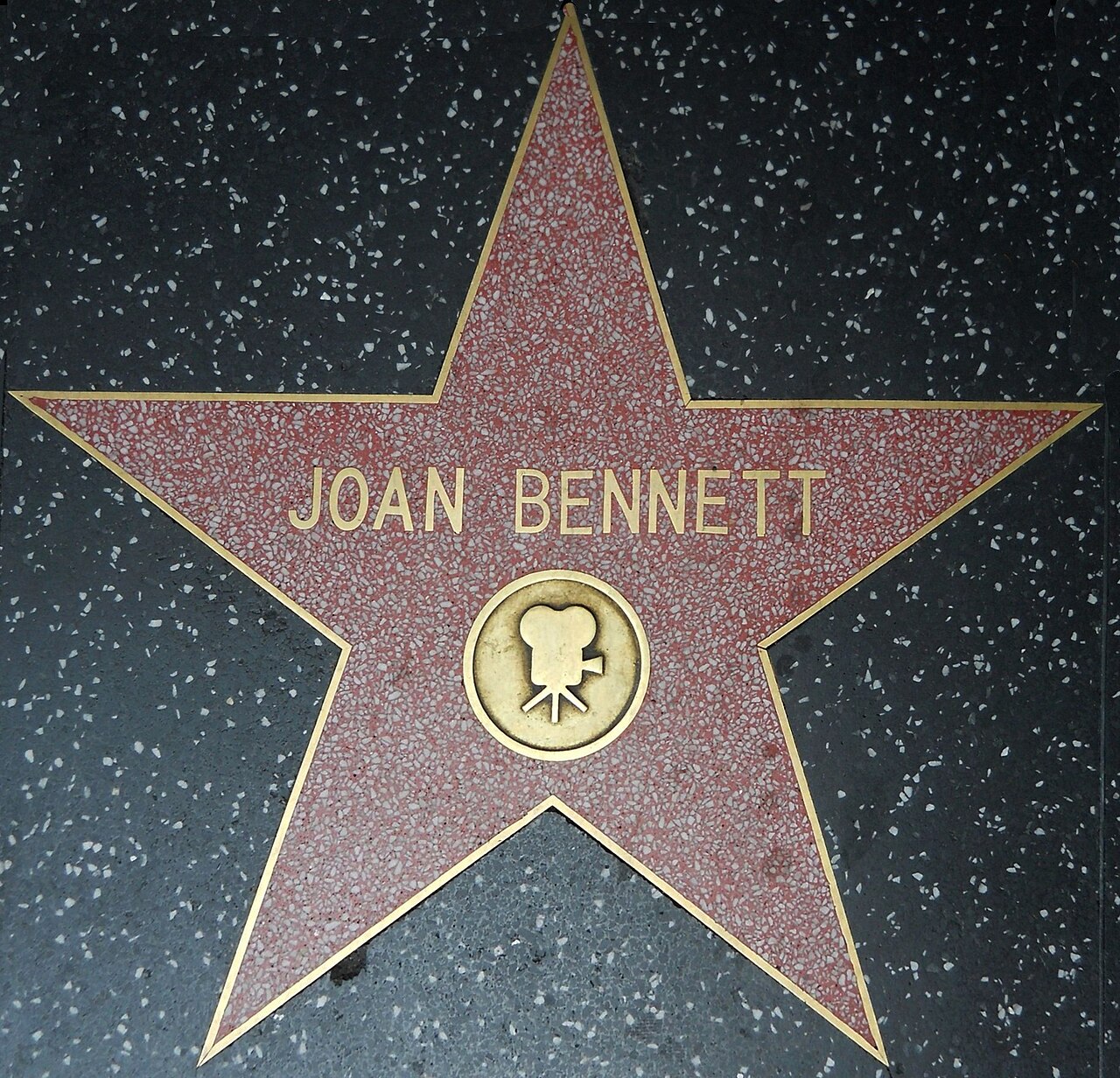

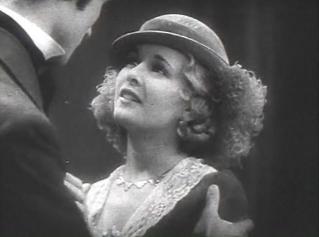

Early life and development
Bennett was born into a theatrical family, and she entered motion pictures as the industry moved from silent pictures to sound. Early on she played a variety of ingénue and supporting roles in studio productions. As her screen personae matured, she shifted from lighter roles to more complex and morally ambiguous characters, a transition that broadened her range and led to some of her best-known work.
Career highlights
She established herself as a versatile movie performer who could lead dramas, comedies and thrillers. As an actress she worked steadily in the studio system and later accepted the new opportunities presented by television. A critical turning point came when she embraced darker, more provocative parts in the 1940s, traits that critics and historians often associate with the film noir movement.
Notable films and collaborations
- Collaborations with director Fritz Lang produced some of Bennett's most enduring performances, where she often played seductive or dangerous women.
- Her major noir-era roles showed a shift in public perception, from ingénue to a classic femme fatale figure.
- She later moved into television roles that introduced her to new audiences and sustained her career into later life.
Selected films and television work are often cited when discussing Bennett's legacy: several feature films from mid-century American cinema, followed by prominent television roles that demonstrated her adaptability. Her performances continue to be studied for their nuanced portrayals of conflicted, resourceful women.
Legacy and significance
Joan Bennett's career is notable for its longevity and stylistic range. She bridged multiple eras of entertainment technology and taste—silent films, studio-era talkies, noir classics, and serialized television—while maintaining a reputation for disciplined craft and memorable character work. Her transformation into noir's archetypal femme fatale remains a touchstone in film studies, and her television work expanded her influence to a wider, later-20th-century audience.
Questions and answers
Q: Who was Joan Geraldine Bennett?
A: Joan Geraldine Bennett was an American movie actress who appeared in more than 70 Hollywood movies from the silent era to talkies, from color to the advent of television and epic movies.
Q: When was Joan Bennett born and when did she die?
A: Joan Bennett was born on February 27, 1910, and she died on December 7, 1990.
Q: What was Joan Bennett known for?
A: Joan Bennett may be best known and loved for her film noir movies femme fatale roles in movies by director Fritz Lang.
Q: How many Hollywood movies did Joan Bennett appear in?
A: Joan Bennett appeared in more than 70 Hollywood movies.
Q: What were the eras of Hollywood movies that Joan Bennett appeared in?
A: Joan Bennett appeared in movies from the silent era to talkies, from color to the advent of television and epic movies.
Q: Was Joan Bennett ever nominated for an Emmy award?
A: Yes, Joan Bennett was nominated for an Emmy award.
Q: Who was the director that collaborated with Joan Bennett on film noir movies?
A: The director that collaborated with Joan Bennett on film noir movies was Fritz Lang.
Related articles
Author
AlegsaOnline.com Joan Bennett: American Actress in Film Noir and Television Leandro Alegsa
URL: https://en.alegsaonline.com/art/122127