
Jim Murphy: British politician and former leader of Scottish Labour
Overview of Jim Murphy (born 1967), his parliamentary career, ministerial posts, tenure as Scottish Labour leader, election defeat in 2015, and political significance in Scotland and UK politics.
James Francis "Jim" Murphy (born 23 August 1967 in Glasgow) is a British politician who served as Labour Member of Parliament and later as leader of the Scottish Labour Party. He entered the House of Commons at the 1997 general election and represented constituencies in the Greater Glasgow area over successive parliaments. Murphy held several frontbench and cabinet-level responsibilities before becoming leader of the Scottish Labour Party in December 2014.
Image gallery
2 Images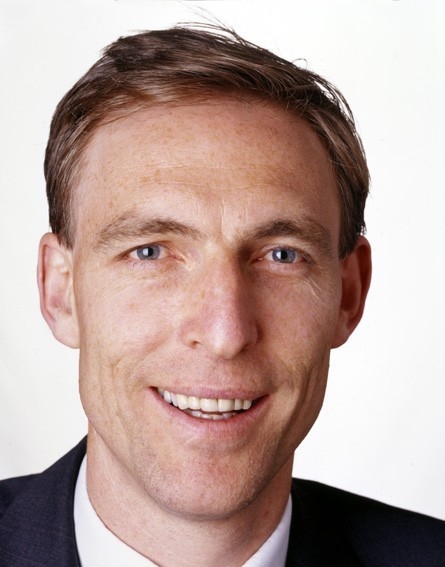

Early life and parliamentary entry
Born and raised in central Scotland, Murphy pursued a career in public service and politics that brought him to Westminster. He was first elected as MP at the 1997 general election for the Eastwood constituency and continued to serve the same area after boundary changes, which resulted in the East Renfrewshire seat. During his time in Parliament he became known for active constituency work and involvement in defence, international and Scottish affairs.
Ministerial and shadow roles
Murphy served in government and shadow posts across a number of policy areas. Notable appointments included Minister of State for Europe and later Secretary of State for Scotland while Labour was in government. After Labour moved into opposition he held shadow responsibilities, including Shadow Secretary of State for Defence and Shadow Secretary of State for International Development. These roles placed him at the centre of debates on security, foreign policy and Scotland’s place in the United Kingdom.
Leader of the Scottish Labour Party
Following the 2014 Scottish independence referendum, Murphy stood for and won the leadership of the Scottish Labour Party on 13 December 2014. As a Westminster MP leading a devolved party, his leadership arrangement meant that the deputy leader acted as the party’s principal representative in the Scottish Parliament. During his tenure the deputy was Kezia Dugdale, who took the party’s lead role in Holyrood while Murphy focused on UK-wide and Scottish campaigning.
2015 general election and resignation
The 2015 general election followed a period of rapid political change in Scotland. The Scottish National Party made significant gains at the expense of Labour, and Murphy himself lost his seat. In the aftermath of that defeat he resigned as leader of the Scottish Labour Party. His resignation marked a moment of reflection within Labour and prompted debates about strategy, organisation and engagement with Scottish voters.
Roles, distinctions and public significance
- Long-serving MP for Eastwood/East Renfrewshire from first election in 1997 until 2015 (constituency).
- Held ministerial office as Secretary of State for Scotland and as Minister of State for Europe (cabinet posts).
- Served in shadow cabinets on defence and international development issues.
- Led the Scottish Labour Party from December 2014 until his resignation after the 2015 general election; while leader he worked alongside a deputy who represented Labour in the Scottish Parliament (Holyrood).
Context and legacy
Murphy’s political career unfolded during a turbulent decade for Scottish politics: devolution, the independence referendum and a rapid realignment of party support. His tenure illustrates the challenges faced by UK-level politicians who assume leadership of a devolved party, and his defeat in 2015 is frequently cited as part of the wider shift that reconfigured Scotland’s party landscape. Observers note his emphasis on campaigning and connection to UK policy debates as distinguishing features of his approach to Scottish Labour leadership.
For further detail on specific dates, speeches and parliamentary activity see general resources on UK and Scottish politics where Murphy’s ministerial and shadow portfolios are recorded. Additional context about the constituencies he represented and the roles of deputies and party structures in Scotland can be found via relevant institutional pages and political analyses (politician profile, Labour Party, Secretary of State for Scotland, UK Parliament, deputy, British politics). For a concise list of election results and timeline entries consult specialist electoral records and archived material on the party’s internal elections (Glasgow links, deputy leader).
Related articles
Author
AlegsaOnline.com Jim Murphy: British politician and former leader of Scottish Labour Leandro Alegsa
URL: https://en.alegsaonline.com/art/122066
Sources
- parliament.uk : "Rt Hon Jim Murphy MP"
- bbc.co.uk : "Jim Murphy quits shadow cabinet"
- bbc.co.uk : "MP Jim Murphy named Scottish Labour leader"
- labourlist.org : "Scottish Labour agree to swathe of party reforms – and new leader will be announced on August 15th"