
Jim Oberstar: U.S. Representative and Champion of Transportation Policy
Biography of Jim Oberstar (1934–2014), long-serving U.S. Representative from Minnesota, committee chair on transportation and infrastructure, his policy focuses, career highlights, and legacy.
Overview
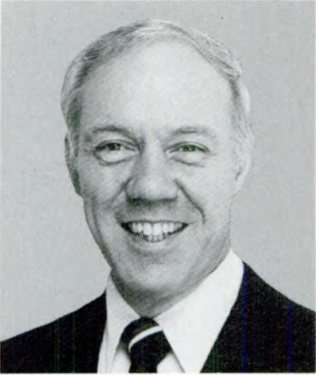
Jim Oberstar (September 10, 1934 – May 3, 2014) was an American politician who represented northeastern Minnesota in the U.S. House of Representatives for more than three decades. A member of the Democratic–Farmer–Labor Party, he served from 1975 until 2011 and earned a national reputation as a leading voice on transportation, aviation and infrastructure policy.
Image gallery
6 Images


Early career and entry to Congress
Oberstar was born in Chisholm, Minnesota, and began his public-service career working on Capitol Hill as a congressional staffer. When his mentor left Congress, Oberstar ran for the open seat and was elected in 1974. He represented Minnesota's 8th congressional district, a region shaped by mining, manufacturing and rural communities, and kept close ties to his hometown throughout his life.
Congressional career and committee leadership
During his long tenure in the House, Oberstar became closely identified with transportation oversight. He served on and eventually chaired the House Transportation and Infrastructure Committee, where he influenced legislation on highways, transit, aviation and water resources. His committee work focused on modernizing transportation systems, improving safety standards and increasing federal investment in public infrastructure.
Policy priorities and notable work
Oberstar was known for a set of consistent priorities:
- Transportation modernization: advocating federal funding for roads, bridges, transit and rail projects to support economic activity and safety.
- Aviation and safety: promoting improvements in air-traffic control and regulatory oversight of civil aviation.
- Intermodal planning: encouraging coordinated approaches that connect highways, rail, ports and public transit.
He sponsored and supported multiple major transportation bills and amendments that shaped federal policy for surface and air transportation. His approach blended infrastructure investment with attention to safety, environmental impacts and job creation.
Later years, defeat and legacy
After 36 years in office, Oberstar was defeated in the 2010 election as political tides shifted nationally. He continued to speak and write on transportation issues after leaving Congress. Observers note his lasting influence on federal transportation programs and his role in elevating infrastructure debates in Washington.
Personal life and death
Oberstar lived with his wife, Jean, in Potomac, Maryland, a suburb of Washington, D.C., and maintained connections to his boyhood home in Chisholm, Minnesota. For more on his congressional service and record, see his official biography and archival materials. He died in his sleep at his Potomac home on May 3, 2014, at age 79.
Further reading and resources: Congressional service records, information about Minnesota's 8th district, party affiliation and background, details about his residence in Potomac, and local remembrances and obituaries.
Related articles
Author
AlegsaOnline.com Jim Oberstar: U.S. Representative and Champion of Transportation Policy Leandro Alegsa
URL: https://en.alegsaonline.com/art/122070
Sources
- usatoday.com : Former U.S. Rep. Jim Oberstar dies at 79