
A Streetcar Named Desire (1951 film)
1951 film adaptation of Tennessee Williams's play, directed by Elia Kazan and noted for its intense performances, psychological drama, and lasting influence on acting and American cinema.
Overview
A Streetcar Named Desire is a 1951 American drama film adapted from the 1947 stage play A Streetcar Named Desire by Tennessee Williams. Directed by Elia Kazan, it brought the play's tense, intimate conflict to the screen and introduced nationwide audiences to a raw, modern style of performance. The movie is best known for the central performances by Marlon Brando and Vivien Leigh.
Image gallery
8 Images


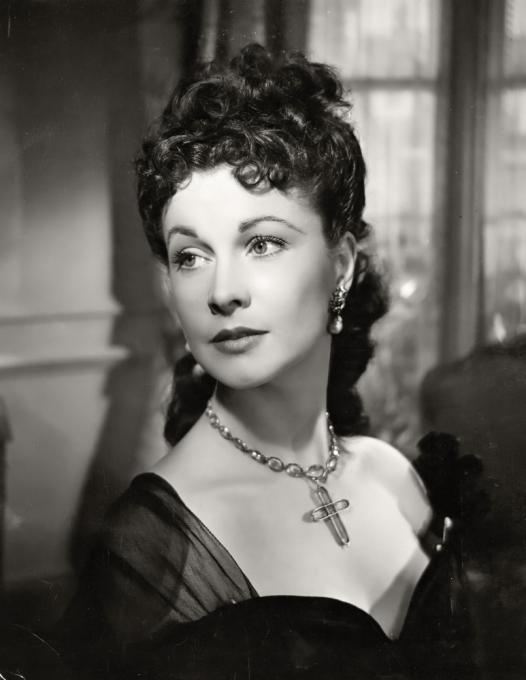


Story and principal characters
Set in the working-class neighborhoods of New Orleans, the drama follows Blanche DuBois, a fragile and fading Southern belle, whose arrival at her sister Stella's apartment upsets the household. The volatile relationship between Blanche and Stella's husband, Stanley Kowalski, drives the story toward a psychological crisis. The film focuses on personal decline, desire, deception and the clash between illusion and brutal reality.
Production and adaptation
Adapting a provocative stage play for 1950s cinema required changes under the production code and studio oversight, which influenced how certain themes were presented. Director Elia Kazan used close framing, controlled lighting and staging derived from theatrical roots but exploited cinematic tools to heighten emotional intensity. Marlon Brando's muscular, improvisatory acting exemplified a newer, more naturalistic approach that affected subsequent generations of screen performers.
Themes and style
The film explores class tension, sexual politics, mental illness and the decline of genteel Southern identity. Visually it balances intimate interiors with moments that suggest the larger, oppressive environment surrounding the characters. Critics and scholars note how the movie translates stage psychology into film language while preserving the original play's sense of claustrophobia.
Reception and legacy
Upon release the picture drew strong reactions for its performances and its frankness, earning multiple award nominations and wins. It helped cement the reputation of its leads and director, influenced acting styles in American cinema, and remains a frequent subject of study in film and theater courses. Memorable lines and scenes from the production have entered popular culture and are often discussed in analyses of mid-20th-century American drama.
Principal cast and notable facts
- Key cast: Marlon Brando, Vivien Leigh, plus supporting actors who shaped the household dynamic.
- Adaptation: based on the acclaimed 1947 play by Williams; translation to screen involved negotiated cuts and changes.
- Impact: notable for its influence on acting technique, American drama on film, and studies of social and psychological themes.
For further reading on the play and its creator see the original stage text and biographical sources: play, Tennessee Williams, and performance histories centered on Marlon Brando and Vivien Leigh.
Tags
Related articles
Author
AlegsaOnline.com A Streetcar Named Desire (1951 film) Leandro Alegsa
URL: https://en.alegsaonline.com/art/122