
Tennessee Williams: Life, Works, and Cultural Legacy
American playwright Tennessee Williams reshaped 20th-century drama with lyrical realism, Southern Gothic themes, major plays like A Streetcar Named Desire, and a lasting influence on theater and film.
Overview
Tennessee Williams (Thomas Lanier Williams III) was an American playwright and writer whose work became central to mid‑20th century theatre. Born in the American South, he brought vivid psychological portraiture and poetic stagecraft to realist drama, creating characters and situations that exposed desire, vulnerability, and social constraint.
Image gallery
10 Images




Major works and themes
Williams is best known for a handful of plays that remain regularly produced and studied. His drama combined intense emotional realism with atmospheric, often Southern Gothic, settings. Recurring themes include memory, fragility, sexuality, addiction, and the clash between longing and social expectations.
- A Streetcar Named Desire — a landmark play that won a Pulitzer Prize and became an influential film adaptation and more.
- The Glass Menagerie — a lyrical, memory‑based portrait of family and escape.
- Cat on a Hot Tin Roof — another Pulitzer winner, exploring mendacity, desire, and family tensions.
Life, background, and influences
Williams drew on his Southern upbringing and complex family relationships. He had ancestry often described as English and Welsh, and elements of personal history inform his sympathetic portrayals of outsiders. He was gay, and his writing frequently examines the inner lives of characters whose identities and desires put them at odds with society.
Struggles and final years
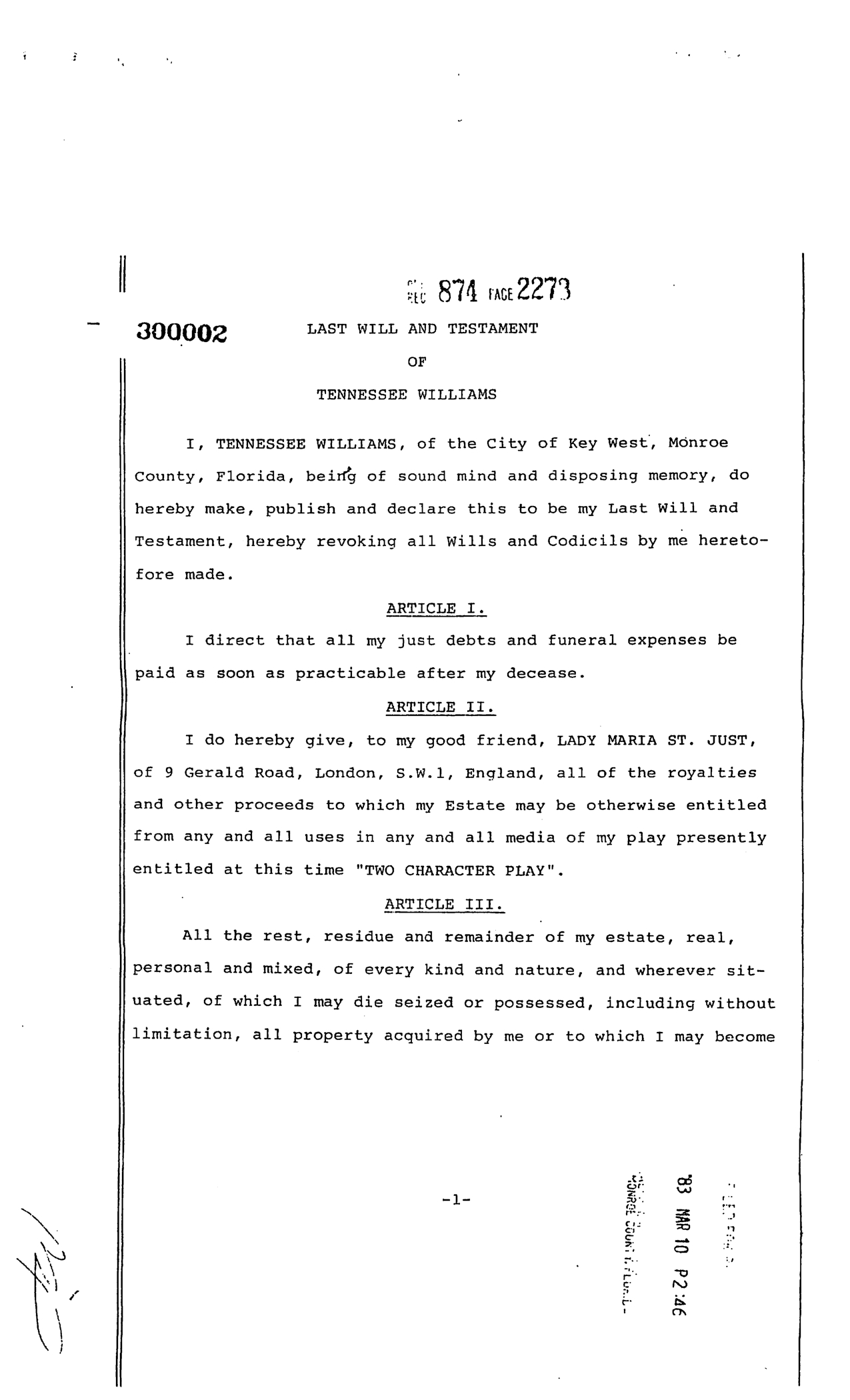
Throughout his life Williams faced periods of depression and battled substance dependence. These struggles influenced later work and public perception. Accounts of his death note long‑standing problems with alcohol and drugs; various reports attribute his 1983 passing to accidental causes linked to substance use and related coverage.
Legacy and significance
Williams transformed American drama by combining poetic language with theatrical realism and by giving stage voice to fragile, intense characters. His major plays won major awards, inspired acclaimed films, and continue to be performed, studied, and adapted. Contemporary theatre still invokes his techniques—memory narration, rich monologue, and emotional intensity—when exploring human vulnerability and desire.
Author
AlegsaOnline.com Tennessee Williams: Life, Works, and Cultural Legacy Leandro Alegsa
URL: https://en.alegsaonline.com/art/131681