
Jayne Mansfield: American actress, model, and 1950s sex symbol
Overview of Jayne Mansfield (1933–1967), her career on stage, screen and television, her public image as a blonde bombshell, and her cultural legacy.
Vera Jayne Palmer, known professionally as Jayne Mansfield (April 19, 1933 – June 29, 1967), was an American actress, model and entertainer who became one of the best-known public figures of the 1950s and early 1960s. She worked in film, stage and television, performed as a nightclub entertainer, recorded songs and was one of the early Playboy Playmates. Mansfield cultivated a bold publicity persona that made her a household name in the United States and abroad.
Image gallery
10 Images


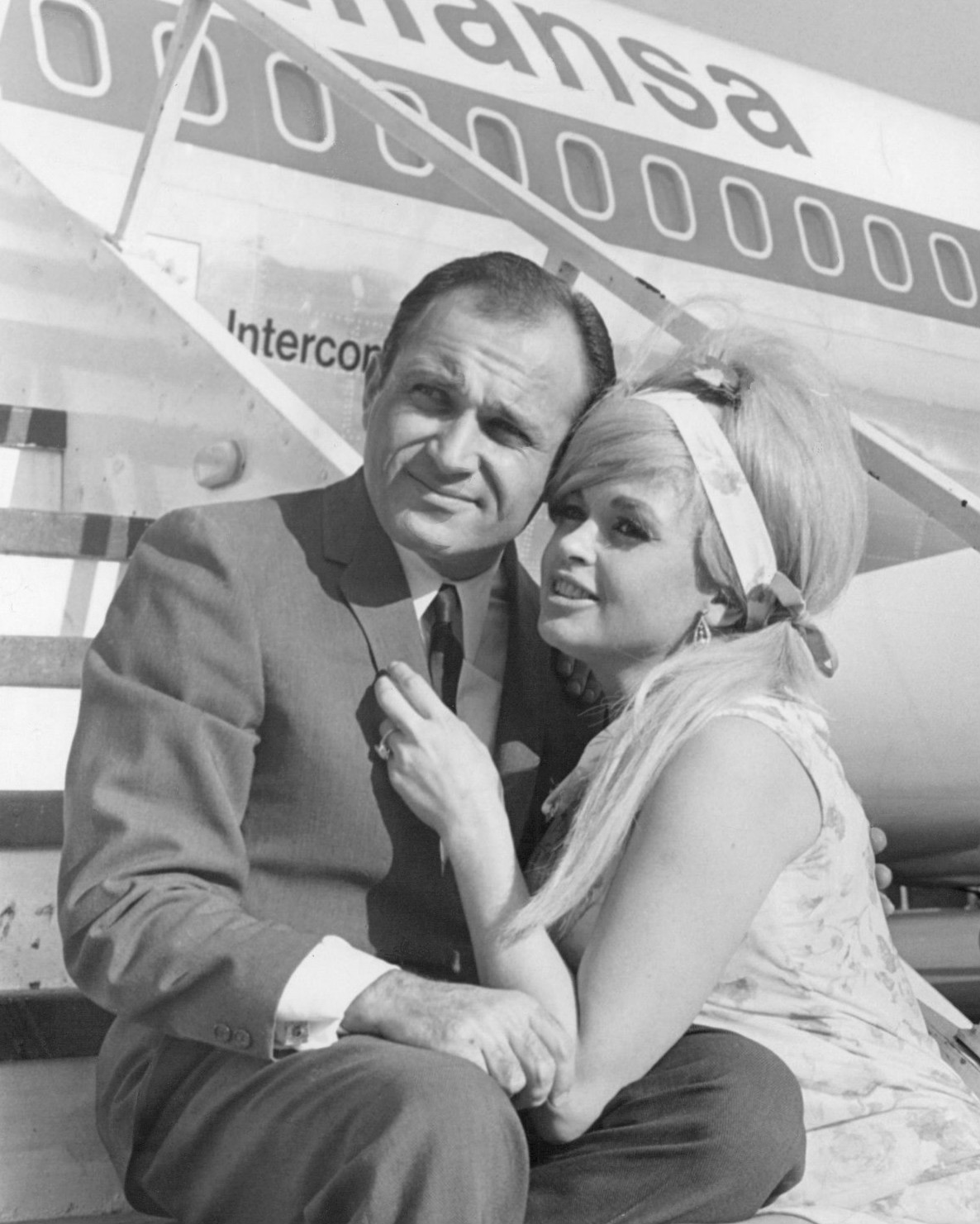


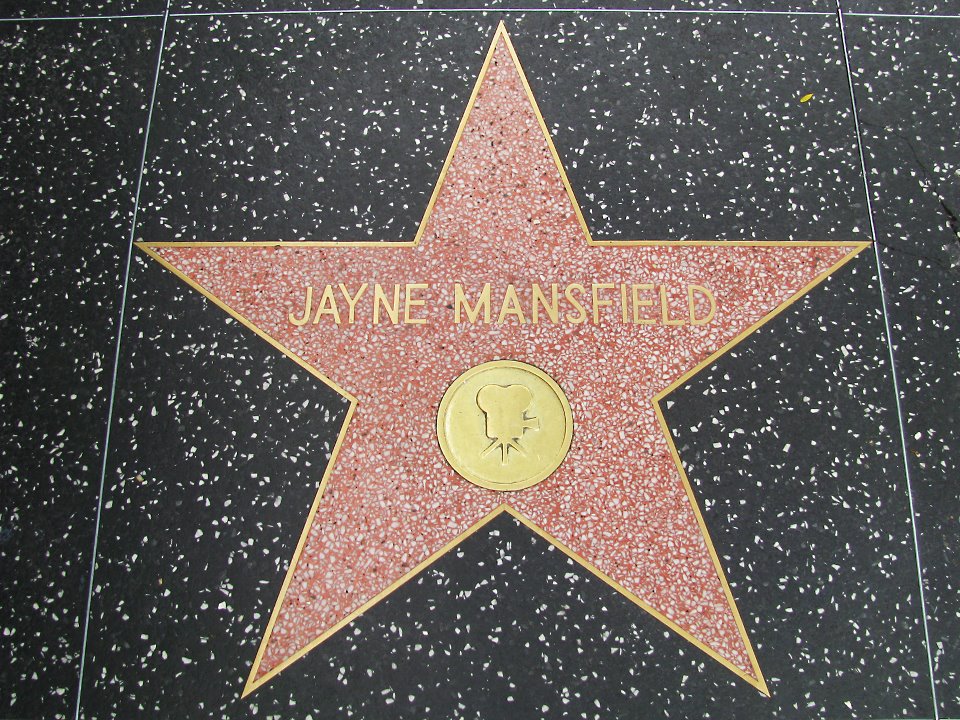
Career and public image
Mansfield rose rapidly from modeling and small screen roles to prominence on stage and in movies. She achieved major visibility after starring on Broadway, followed by supporting and leading parts in Hollywood productions. Her film roles often played up a comic, glamorous "blonde bombshell" image—an era archetype sometimes compared to contemporaries of the 1950s. She used publicity stunts, revealing fashions and publicity portraits to create and maintain a high public profile.
Notable works and style
- Broadway and stage appearances that helped shift her career from regional performer to national celebrity.
- Several studio films that showcased her comedic timing, comic persona and sex-symbol appeal.
- Nightclub acts and television guest appearances that reinforced her entertainer reputation.
Mansfield was known for a flamboyant personal style—platinum-blonde hair, hourglass figures and eye-catching costumes—that she used to command attention in both mainstream and risqué entertainment contexts. Some of her movie and publicity choices stirred controversy at the time and contributed to debates about censorship, sexuality and celebrity.
Personal life and legacy
Her personal life attracted constant tabloid coverage. She married more than once and had children; among them is actress Mariska Hargitay, who later achieved notable success in television. Mansfield's life was cut short by a fatal automobile accident in 1967. In the decades since, she has been the subject of biographies, documentaries and scholarly attention interested in mid-20th-century stardom, gender performance and mass-media spectacle. Her career remains an often-cited example of how fame, image management and popular culture intersected during the postwar era.
Questions and answers
Q: Who was Jayne Mansfield?
A: Jayne Mansfield was an American movie, stage, and television actress. She was also a nightclub entertainer, a singer, and one of the early Playboy Playmates.
Q: What was Jayne Mansfield's real name?
A: Jayne Mansfield's real name was Vera Jayne Palmer.
Q: When was Jayne Mansfield born and when did she die?
A: Jayne Mansfield was born on April 19, 1933, and she died on June 29, 1967.
Q: What were some of Jayne Mansfield's accomplishments in the entertainment industry?
A: Jayne Mansfield became a major Broadway star in 1955, a major movie star in 1956, and a major celebrity in 1957.
Q: Was Jayne Mansfield only known for her acting career?
A: No, Jayne Mansfield was also known for being a nightclub entertainer, a singer, and one of the early Playboy Playmates.
Q: When did Jayne Mansfield become a Playboy Playmate?
A: It is not specified when exactly Jayne Mansfield became a Playboy Playmate, only that she was one of the early ones.
Q: What was Jayne Mansfield's most notable achievement in the entertainment industry?
A: It is subjective to determine Jayne Mansfield's most notable achievement in the entertainment industry, as she had success in various fields. However, some may argue that her major celebrity status in 1957 was a significant achievement.
Related articles
Author
AlegsaOnline.com Jayne Mansfield: American actress, model, and 1950s sex symbol Leandro Alegsa
URL: https://en.alegsaonline.com/art/121586
Sources
- thebiographychannel.co.uk : Biography: Jayne Mansfield
- time.com : "Heroes and Icons: Marilyn Monroe"
- chicagoist.com : "Friday Flashback: Hef's Obscenity Battle"