
Affair of the Diamond Necklace (1784–1785)
A notorious late 18th-century French scandal in which a forged scheme to obtain an elaborate diamond necklace further tarnished Queen Marie Antoinette's reputation and inflamed public distrust of the monarchy.
Overview
The Affair of the Diamond Necklace (French: Affaire du collier de la reine) was a public scandal that unfolded in France between 1784 and 1785. It involved an elaborate scheme to acquire an extremely costly diamond necklace associated in the public mind with Queen Marie Antoinette. Although the queen appears to have had no direct part in the fraud, the episode damaged the crown’s reputation and fed widespread resentment of the royal household.
Image gallery
6 Images
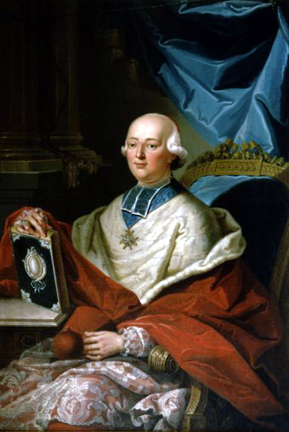



Key participants and scheme
The plot brought together a number of actors from different social circles: ambitious courtiers, indebted jewelers, and con artists. The jewelers who had produced the necklace sought a wealthy buyer after the death of Louis XV. A woman known as Jeanne de Valois-Saint-Rémy, commonly called Jeanne de la Motte, played a central role in deceiving a high-ranking clergyman into believing that the queen wished to purchase the jewels in secret. Forged letters, a staged nighttime meeting, and an impersonation at Versailles convinced the cardinal to act as intermediary.
How the fraud worked
- Forged correspondence implied royal approval and intimate trust.
- A staged rendezvous and a hired impostor impersonated the queen to reassure the victim.
- The cardinal arranged to acquire the necklace and hand it over to those he thought represented the queen, who then had it dismantled and sold in parts.
Trial, verdicts, and immediate aftermath
The affair became public and led to a sensational trial in 1786 that attracted intense press attention and circulated pamphlets and caricatures. Some defendants were convicted, while others—including the cardinal—were acquitted, a result that shocked many observers and appeared to confirm court corruption and favoritism. Jeanne de la Motte was eventually punished, escaped custody, and fled abroad.
Significance and legacy
Beyond the legal outcomes, the scandal had lasting political effects. It amplified existing rumors about royal extravagance and moral decadence, further eroding confidence in the monarchy among Parisian commoners and the literate public. Historians commonly view the affair as one of several scandals that contributed to popular disillusionment with the royal family and the broader crisis that culminated in the French Revolution. Contemporary pamphlets and satirical prints helped spread damaging narratives that outlasted the court’s attempts to contain the story, and the case remains a widely cited example of how scandal can shape political legitimacy and public opinion (study implications for monarchy and public opinion).
Related articles
Author
AlegsaOnline.com Affair of the Diamond Necklace (1784–1785) Leandro Alegsa
URL: https://en.alegsaonline.com/art/1212