
Air India Express Flight 812
A scheduled passenger flight from Dubai to Mangalore that overran the runway on 22 May 2010, crashing beyond the runway and causing around 160 fatalities; investigated as a major aviation accident in India.
Overview
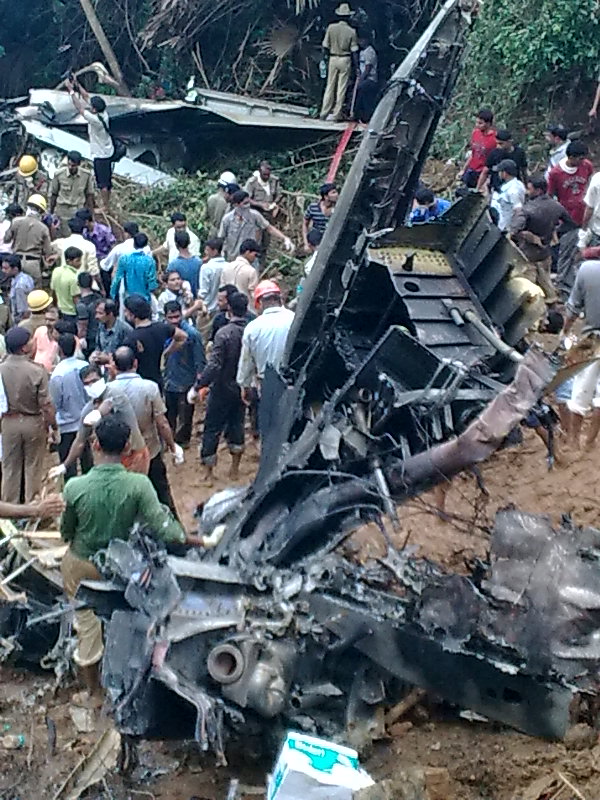
Air India Express Flight 812 was a scheduled international passenger service that crashed on 22 May 2010 while attempting to land at Mangalore International Airport (India). The aircraft, a Boeing 737 series airliner, overshot the runway at the end of its approach, ran beyond the airport boundary and came to rest off the runway area. The accident occurred in the local evening and resulted in the loss of about 160 lives and multiple injuries among passengers and crew.
Image gallery
10 Images




Flight and aircraft
The service originated at Dubai International Airport and was operated on behalf of the carrier by Air India Express. The flight used a short-haul, single-aisle jet designed for regional routes. It carried a mix of passengers returning to southwest India; some reports described the flight as busy, reflecting its role on a popular expatriate route between the Gulf and southern India.
Accident sequence and runway context
During landing the aircraft touched down long on the runway and was unable to stop before the paved surface ended. Mangalore airport has a table-top runway — a runway located on a plateau or hill with steep drops at the ends — which limits overrun options and increases the potential severity of excursions. The aircraft passed the runway end, descended the adjoining slope and suffered substantial structural damage that led to many fatalities and injuries.
Investigation and probable causes
Investigators from Indian aviation authorities examined flight data, cockpit voice recordings, crew actions, weather conditions and airport characteristics. The formal inquiry attributed the accident principally to errors in approach and landing decision-making. Contributing factors cited included the late touchdown, non-adherence to standard operating procedures for unstable approaches, and human factors such as fatigue and cockpit coordination. The airport's table-top runway and the lack of an extended overrun area were noted as aggravating elements.
Aftermath and safety implications
The crash prompted reviews of operational procedures for approaches to airports with table-top runways, crew training on stabilized-approach criteria, and runway safety measures. Authorities and operators emphasized stricter adherence to go-around policies when approaches were unstable, improvements in crew resource management, and infrastructure or procedural changes intended to reduce the risk of similar overruns in the future.
Notable facts
- The accident is one of the deadliest civil aviation incidents in India in the 21st century.
- It highlighted the particular hazards posed by table-top runways and the importance of robust go-around decision-making.
- Investigative findings influenced amendments to airline procedures and regulatory oversight in subsequent years.
Related articles
Author
AlegsaOnline.com Air India Express Flight 812 Leandro Alegsa
URL: https://en.alegsaonline.com/art/1629
Sources
- thehindu.com : "List of passengers on Air India Express flight"