
Air show: aerial displays, static exhibitions, and public demonstrations
A public event in which pilots and teams perform aerial maneuvers and display aircraft on the ground. Covers types, history, organization, safety, and the distinction between flying and static shows.
An air show is a public event where pilots and crews present aircraft and flying skills to spectators. Performances range from individual aerobatic routines to tightly choreographed formation flights and precision displays by professional teams. Some events combine flight demonstrations with a display park where historic, civilian and military aircraft are parked for close viewing; others are "static" air shows with no flight demonstrations. For general information see official listings and resources.
Image gallery
7 Images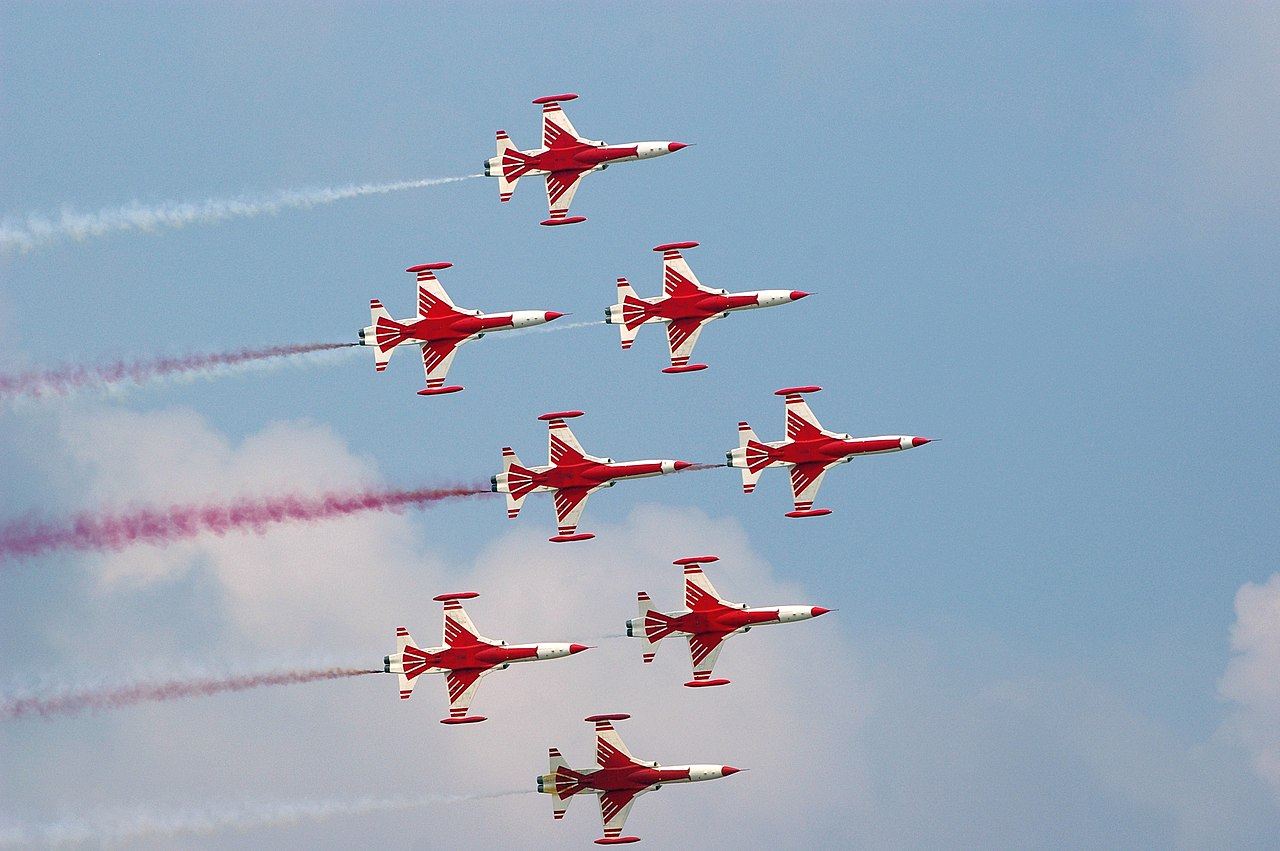


Typical characteristics
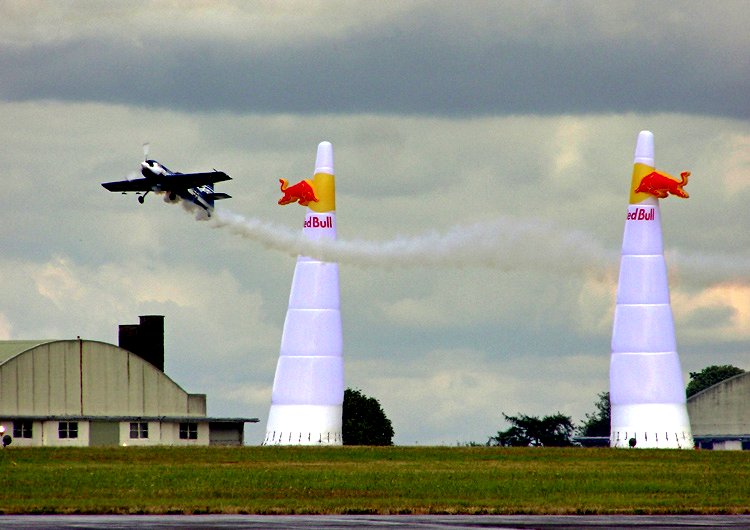
Air shows usually include a program of scheduled flights, ground exhibits, commentary, and crowd amenities. Flying displays feature aerobatic maneuvers such as loops, rolls, hammerheads and formation passes; they may use propeller-driven biplanes, modern jet fighters, transport aircraft, helicopters, or vintage types. Static areas let visitors inspect aircraft up close and meet pilots and restorers. Shows often add pyrotechnics, simulated combat demonstrations, and flypasts tied to commemorative events.
History and development
Public aerial displays date to the early decades of powered flight. In the 1910s and 1920s, barnstormers and exhibition pilots popularized stunt flying at fairs and makeshift fields. Military demonstrations became common between and after the world wars as air arms exhibited capabilities and recruitment value. Over time civilian aerobatic competitions, commercial sponsorship and organized demonstration teams shaped the modern air show, with increasing emphasis on safety, choreography and spectacle.
Organization and safety
Organizers coordinate with aviation authorities, air traffic control and emergency services to manage airspace, flight sequences and spectator protection. Licensed performers follow published safety rules and briefings; flight lines and exclusion zones separate displays from audiences. Weather, maintenance, and regulatory clearance determine whether scheduled performances proceed. Accident prevention, crowd management, and environmental considerations are central to planning.
Types and uses
- Demonstration performances: solo or team aerobatics for entertainment and prestige.
- Static exhibitions: aircraft shown on the ground for education and preservation.
- Military displays: recruitment, public relations and heritage commemoration.
- Trade and industry events: manufacturers and suppliers present technologies and services.
Notable distinctions and considerations
Distinguishing features include whether aircraft fly (dynamic shows) or remain parked (static shows), the level of professional choreography, and whether the event is competitive. Contemporary air shows balance public engagement with safety, noise management and conservation concerns. They play roles in cultural memory, aviation education and the aircraft preservation community, and remain a prominent way the public experiences flight firsthand.
Related articles
Author
AlegsaOnline.com Air show: aerial displays, static exhibitions, and public demonstrations Leandro Alegsa
URL: https://en.alegsaonline.com/art/1650