
Ion Antonescu: Romanian wartime leader and head of state (1882–1946)
Romanian army officer and authoritarian leader Ion Antonescu led Romania during World War II, allied with Nazi Germany, and was later convicted and executed for war crimes.
Overview
Ion Victor Antonescu (15 June 1882 – 1 June 1946) was a Romanian military officer who became the country’s dominant political figure from September 1940 until August 1944. He held the office of prime minister and ruled as an authoritarian head of state often described as a fascist or military dictator. His government aligned Romania with Nazi Germany during the greater part of World War II.
Image gallery
10 Images


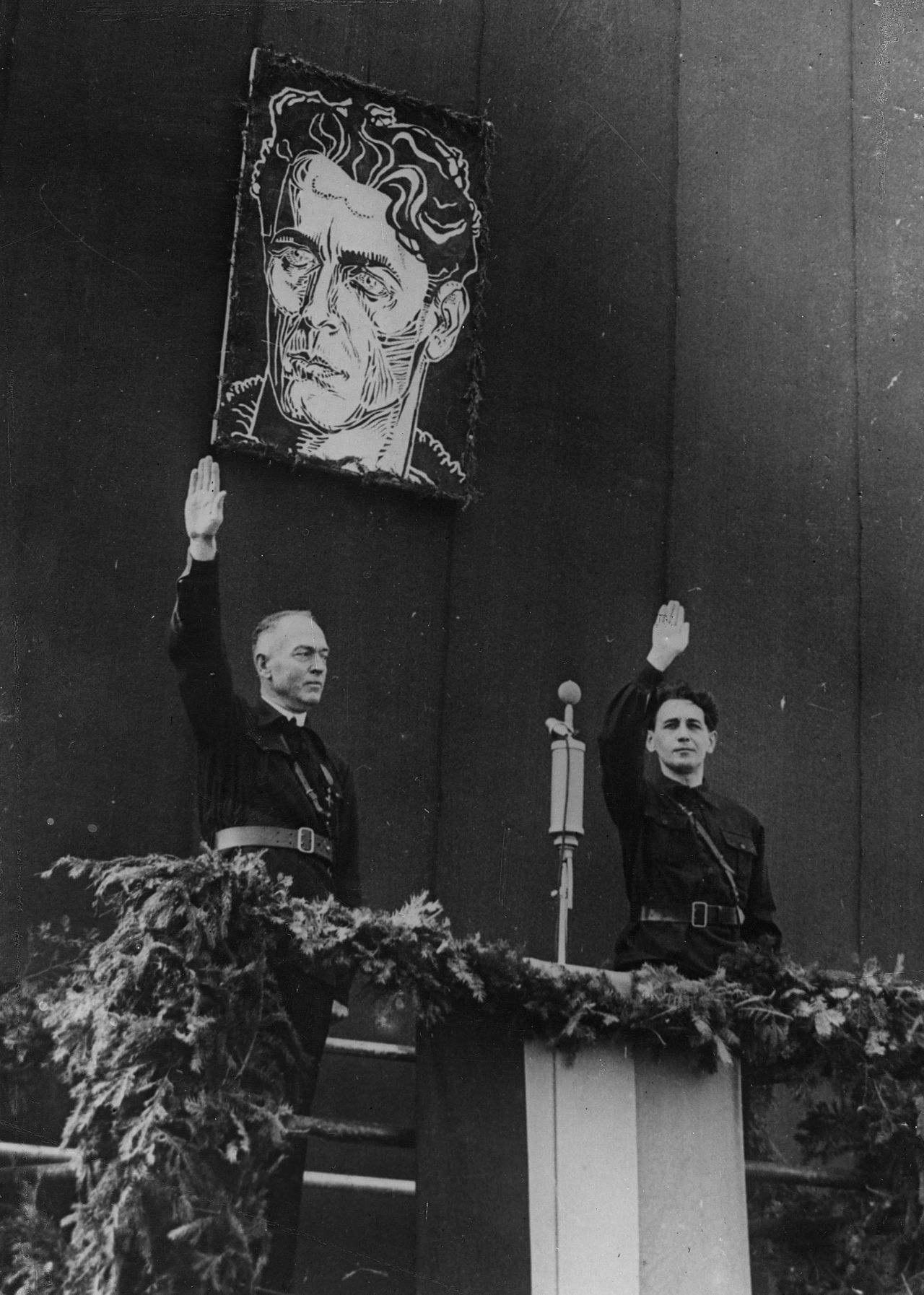


Rise to power
Antonescu rose through the Romanian army and entered politics amid a crisis of territorial losses and political instability in 1940. After the fall of King Carol II and brief rule by the Iron Guard, Antonescu consolidated control, styling himself as Conducător (leader). He governed with broad powers and suppressed rivals, including sidelining the fascist Iron Guard after internal conflict.
Policies and wartime actions
Under Antonescu, Romania joined the Axis invasion of the Soviet Union in 1941 seeking to recover territories lost in 1940. His regime implemented harsh repressive measures and discriminatory laws against Jews and Roma, and it oversaw mass deportations and killings in areas under Romanian administration. These actions have been judged as part of the Holocaust in Romanian-controlled territories.
Downfall and trial
Facing military setbacks and mounting pressure in 1944, Antonescu was deposed following King Michael’s coup on 23 August 1944 and arrested. He was later tried by a Romanian tribunal for war crimes, sentenced to death, and executed on 1 June 1946 by firing squad.
Legacy and historical assessment
Antonescu remains a controversial figure. Supporters sometimes emphasize efforts to restore territory and order; critics and most historians stress his responsibility for authoritarian rule, collaboration with Nazi Germany, and the persecution and mass murder of civilian populations. Debates over memory and accountability in Romania continue to reference his rule.
- Key dates: born 1882, in power 4 September 1940–23 August 1944, executed 1 June 1946.
- Alliances: close alignment with Germany during WWII; conflict with the Soviet Union and later occupation by advancing Soviet forces.
- Aftermath: postwar trials established legal and moral responsibility for wartime atrocities.
For further concise biographies and archival materials see specialized historical works and primary sources on Romanian history during World War II, as well as collections of trial records and postwar scholarship. Romania’s wartime experience is examined in many international studies and domestic debates on collaboration, resistance, and memory.
Note: This article is a neutral summary and does not include exhaustive detail; readers seeking deeper analysis should consult scholarly monographs and archival documents. Further context and documentary material are available in academic sources and public records. Execution records and trial transcripts can be found in collections devoted to postwar tribunals. Court proceedings remain central to assessments of responsibility for wartime crimes.
Related articles
Author
AlegsaOnline.com Ion Antonescu: Romanian wartime leader and head of state (1882–1946) Leandro Alegsa
URL: https://en.alegsaonline.com/art/120949