
Ion Iliescu
Romanian politician and former communist official who led Romania after the 1989 revolution, served as president in the 1990s and early 2000s, oversaw the 1991 constitution and a difficult transition to a market economy.
Overview
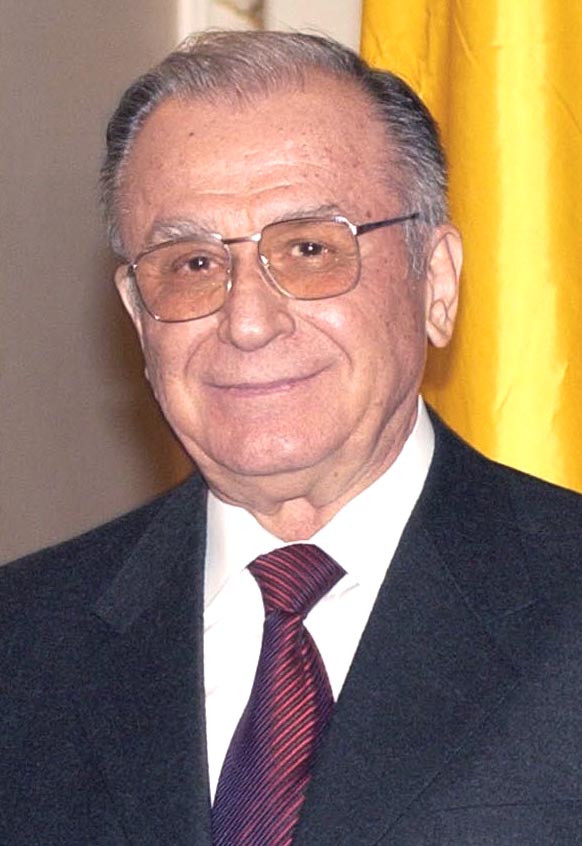
Ion Iliescu (born 3 March 1930) is a Romanian politician who played a central role in Romania's shift from communist rule to a post‑1989 political order. He was active in the Romanian Communist Party, joining in the 1950s and rising through its ranks before the 1989 revolution. After the fall of Nicolae Ceaușescu he became the country's leading figure and served as President of Romania in multiple terms between 1990 and 2004.
Image gallery
10 Images





Early career and political rise
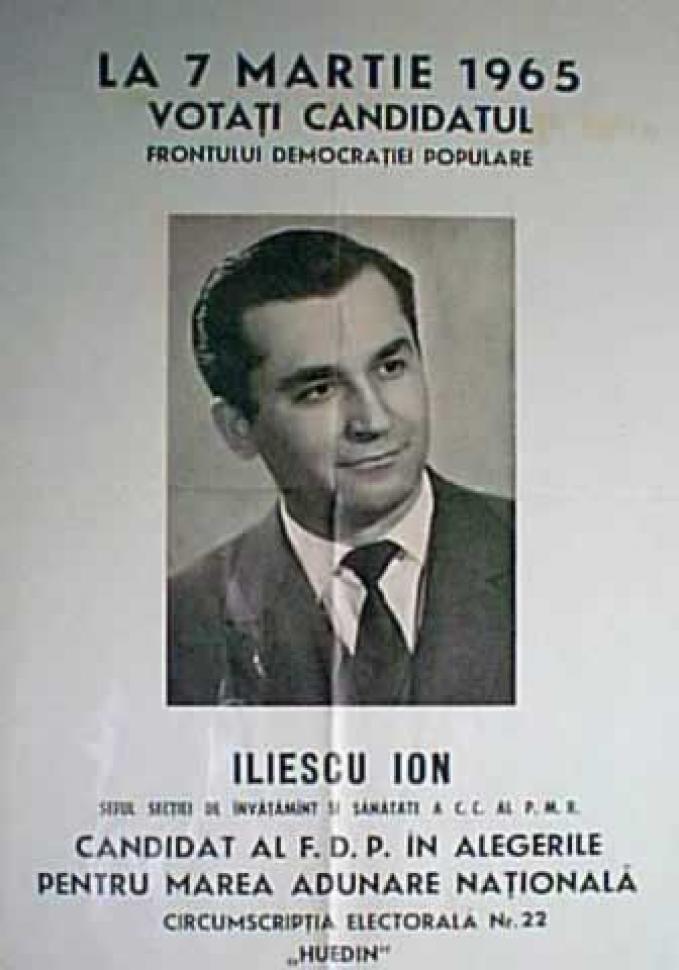
Iliescu's political life began within the structures of the Romanian communist state. He became a member of the party's Central Committee in the 1960s and held several positions within government and party organs over the following decades. His background placed him among the experienced bureaucrats who survived the end of Ceaușescu's rule and were positioned to influence the immediate post‑revolutionary arrangements.
Presidency and policies
In the chaotic months after December 1989, Iliescu emerged as a leader of the provisional governing group and then as an elected president. His administrations confronted the twin challenges of political transition and economic restructuring: drafting a new constitution (adopted in 1991), launching privatizations, and attempting to balance social stability with market reforms. He helped build a centre‑left political formation that later evolved into one of the main social‑democratic parties in Romania.
Major events and controversies
Iliescu’s time in office was marked by intense social conflict. Several episodes of civil unrest and clashes between protesters, police and other groups—collectively remembered in public debate—led to criticism that his government relied too heavily on old security structures. He was widely criticized by opponents for preserving elements of the former regime and for the handling of violent incidents during the early 1990s.
Legacy and assessment
Assessments of Iliescu are mixed. Supporters credit him with providing continuity and preventing immediate disorder during a turbulent change of system; critics argue that his approach slowed democratic consolidation and reform. His political influence remained visible through the party he helped lead and through ongoing discussions about Romania’s transition, the 1991 constitution and the nature of post‑communist elites.
- Born: 3 March 1930
- Joined Communist Party: 1950s
- Central Committee member: 1960s onward
- Presidential terms: elected leader in the 1990s and 2000–2004
- Notable: presided over adoption of the 1991 constitution and early post‑communist reforms
Related articles
Author
AlegsaOnline.com Ion Iliescu Leandro Alegsa
URL: https://en.alegsaonline.com/art/120952