
Ignacio de Veintemilla
Ecuadorian military leader and president (1828–1908) who governed Ecuador from 1876 to 1883 during a turbulent era of 19th‑century politics and reform.
Overview
Ignacio de Veintemilla (also spelled Veintimilla) was a military and political leader in 19th‑century Ecuador. Born 31 July 1828 and dying 19 July 1908, he served as the country’s de facto head of state from 8 September 1876 until 10 January 1883. His period in power is remembered for strong personal rule amid the broader pattern of post‑independence instability that characterized Ecuador and much of Latin America.
Image gallery
1 Image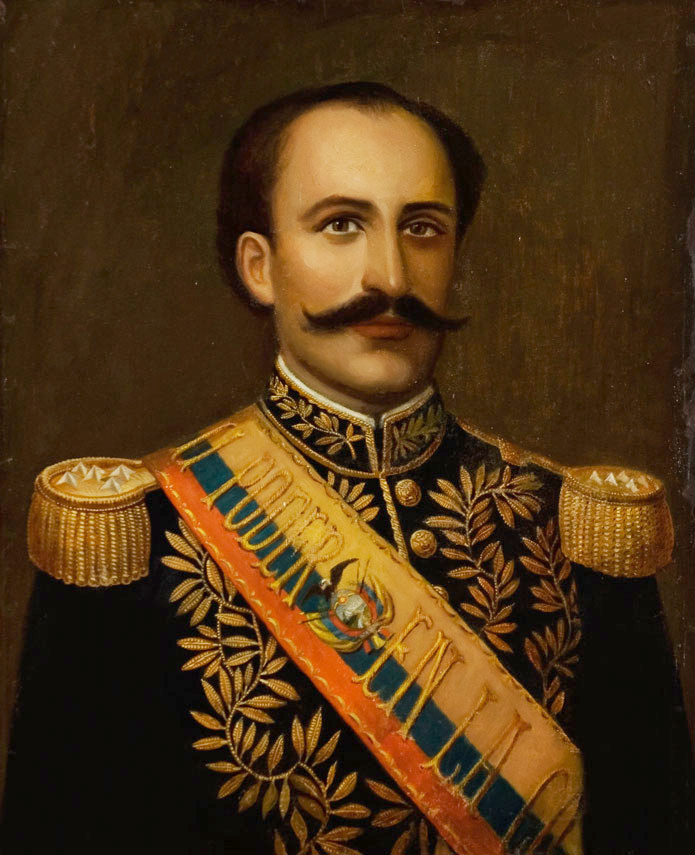
Rise to Power
Veintemilla emerged from the ranks of the military and provincial politics at a time when Ecuadorian governance was fragile and frequently reshaped by coups, uprisings, and shifting alliances. He consolidated authority through a combination of military support and political maneuvering, eventually becoming the dominant figure in the national government in the mid‑1870s.
Presidency and Governance
During his administration Veintemilla exercised centralized control and relied on the armed forces and loyalists to maintain order. Contemporary observers described his style as authoritarian; he sought to impose stability while navigating factions that favored conservative, clerical rule and those pressing liberal reforms. His government carried out administrative and public‑order measures typical of strongmen (caudillos) of the era.
Policies, Conflicts and Characteristics
Key features of Veintemilla’s tenure include efforts to strengthen executive authority, manage regional dissent, and promote public works where feasible given limited resources. His rule provoked opposition from rival political groups and sectors of society, producing periods of unrest and political contestation. Notable aspects:
- Reliance on military loyalty to govern.
- Tensions with political opponents and organized factions.
- An emphasis on order and centralization rather than broad participatory reform.
Downfall and Later Life
Accumulated opposition and shifting alliances eventually removed Veintemilla from power in early 1883. After leaving office he withdrew from national prominence; like many former leaders of the period, he spent his later years away from center‑stage politics and died in 1908. Historians view his career within the wider pattern of 19th‑century Latin American leaders who combined military authority with intermittent civil reform.
Legacy
Ignacio de Veintemilla remains a contested figure: to some he represents necessary firmness during a chaotic era, to others an example of authoritarian tendencies that delayed institutional development. His presidency is studied as part of Ecuador’s transition from caudillo rule toward the more organized party politics that emerged at the turn of the 20th century.
Related articles
Author
AlegsaOnline.com Ignacio de Veintemilla Leandro Alegsa
URL: https://en.alegsaonline.com/art/120870