
Abdulaziz ibn Saud — Founder and First King of Saudi Arabia
Abdulaziz ibn Saud (1876–1953) reunited core Arabian territories, founded the modern Kingdom of Saudi Arabia, oversaw early oil discoveries and shaped the monarchy and religious alliance that define the state.
Overview
Abdulaziz ibn Saud (commonly called Abdulaziz in the Arab world and Ibn Saud elsewhere) was the driving figure behind the creation of the modern Saudi state. He is widely described as the first monarch of the Kingdom of Saudi Arabia, ruling in various capacities from his recapture of Riyadh in 1902 until his death in 1953. His leadership combined military campaigns, strategic alliances, and accommodation with religious authorities to transform a patchwork of tribal territories into a centralized monarchy.
Image gallery
10 Images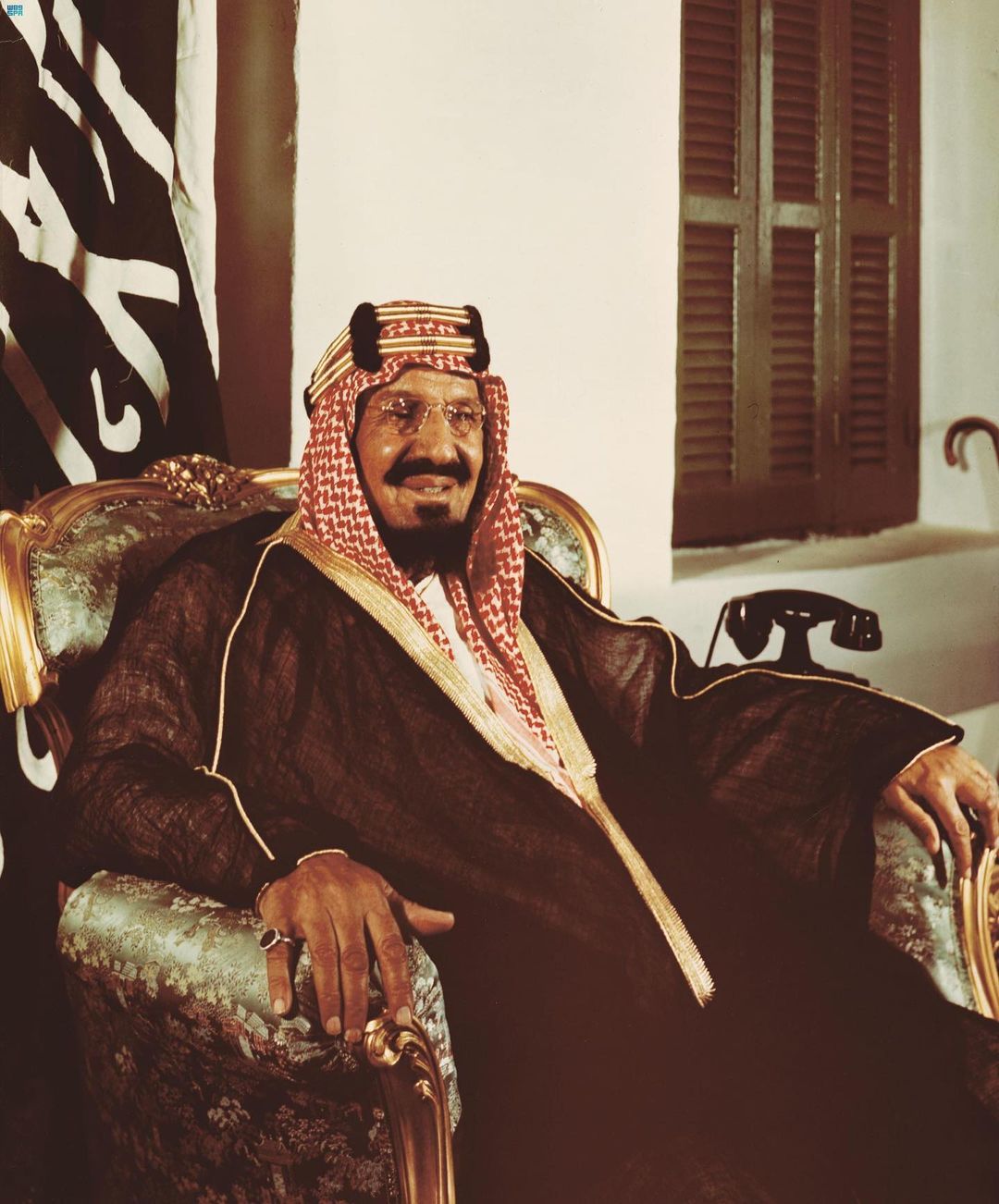


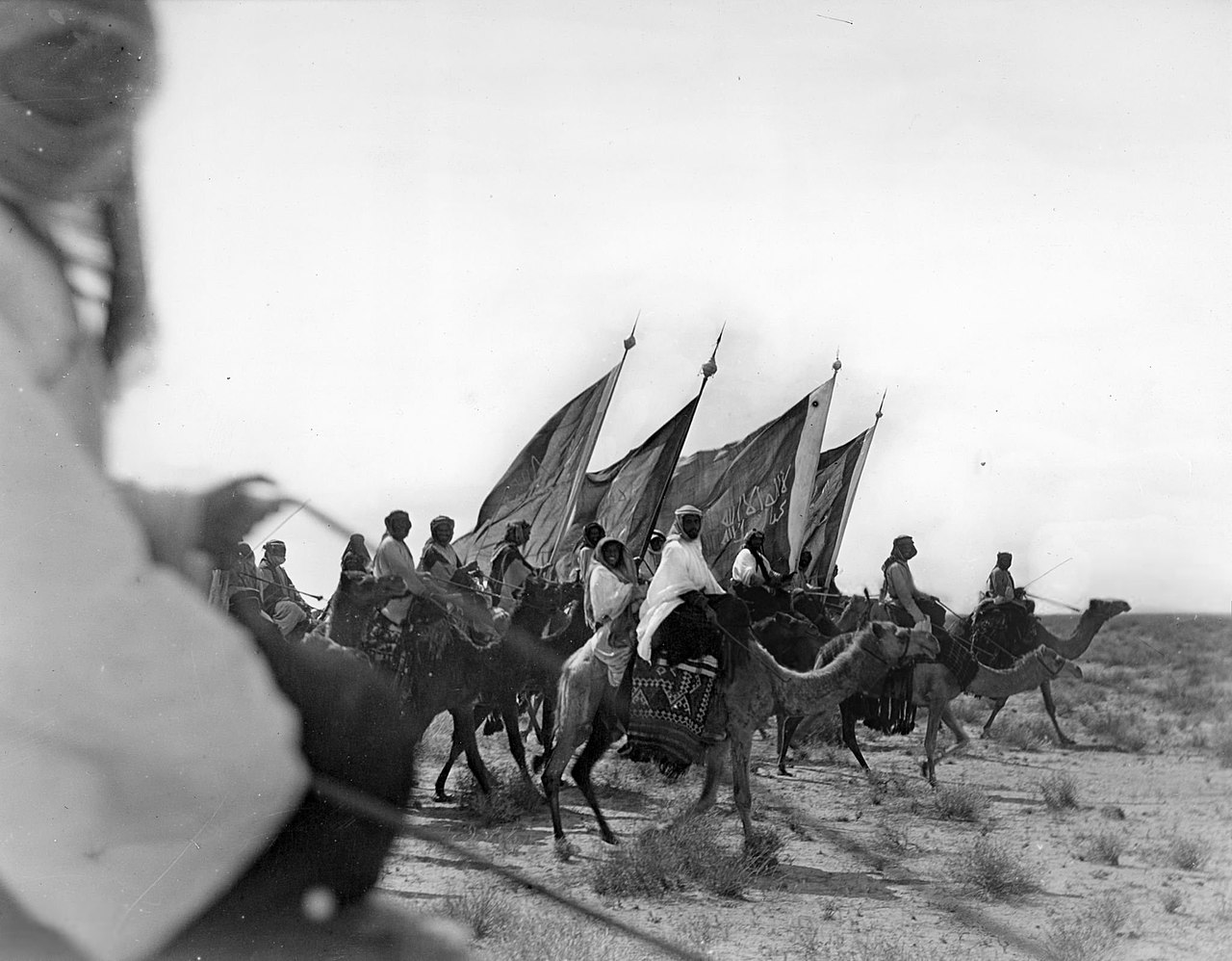


Rise to Power
Born into the House of Saud in the late 19th century, Abdulaziz began his rise by retaking his family's ancestral stronghold of Riyadh in 1902. Over the next two decades he expanded control across central Arabia, incorporating tribal leaders and using a volunteer tribal force known as the Ikhwan to press his campaigns. By the early 1920s he had reasserted dominance in Najd and then advanced westward, bringing the Red Sea coastal regions and the sacred cities under his authority.
Consolidation and Statehood
Abdulaziz consolidated the Najd by the early 1920s and completed the conquest of the Hijaz, which included Mecca and Medina, in 1925. He proclaimed the Kingdom of Saudi Arabia in 1932, uniting diverse territories under a single royal administration. During the 1930s and 1940s his government began building basic institutions—administrative offices, religious courts, and a centralized police force—while balancing the influence of leading religious scholars allied to his family.
Oil, International Relations, and Rule
The discovery of petroleum within the kingdom in 1938 transformed Saudi Arabia’s global significance. Early oil exploration and concessions involved foreign companies, and large-scale production expanded after the Second World War, reshaping the country’s economy and strategic standing. Abdulaziz fostered diplomatic ties with major powers of the era, including a notable 1945 meeting with U.S. President Franklin D. Roosevelt that marked the start of a close Saudi–American relationship. His reign is associated with both rapid financial transformation due to petroleum and the beginning of postwar development and industrial-scale oil production in the kingdom.
Legacy, Family, and Notable Facts
Abdulaziz had many children and descendants who continued to occupy the throne and senior government roles; several later kings have been his sons. Sources commonly note he fathered dozens of children, including a large number of sons. He died in 1953, and his death set a precedent for dynastic succession that has shaped Saudi politics since. His legacy is complex: he is credited with founding a modern state and securing the Islamic holy sites, while also establishing a governance model that interweaves royal authority with religious leadership.
Key characteristics and distinctions
- Combined tribal military power, religious alliance, and emerging bureaucracy to unite central and western Arabia.
- Established control of Mecca and Medina, central to his domestic legitimacy.
- Presided over the early discovery and commercialization of oil that would transform the kingdom’s economy.
- Maintained pragmatic relationships with foreign powers during a formative period for the modern Middle East.
For further reading on specific events and institutions associated with his rule, see authoritative historical works and archival sources that treat the era's military campaigns, religious partnerships, and the beginnings of Saudi oil development. Many summaries and documents are available online and in libraries; some resources and introductions can be found via Arabic-language biographies and international studies, as well as regional histories accessible through institutional collections (royal records and diplomatic archives provide additional detail).
Additional context and primary-source material are available through cultural and historical institutions that document the early 20th-century Arabian Peninsula and the international interactions that shaped the modern kingdom (local archives, religious custodial records, and company histories associated with the discovery of oil offer complementary perspectives).
Questions and answers
Q: Who was Abdulaziz ibn Saud?
A: Abdulaziz ibn Saud was the founder and first monarch of Saudi Arabia.
Q: What was Abdulaziz ibn Saud known as in the Arab world and outside it?
A: In the Arab world, Abdulaziz ibn Saud was known as Abdulaziz, and outside it, he was known as Ibn Saud.
Q: What did Abdulaziz ibn Saud do in 1902?
A: In 1902, Abdulaziz ibn Saud reconquered his family's ancestral home city of Riyadh.
Q: What did Abdulaziz ibn Saud's rule over central Arabia span for how long?
A: Abdulaziz ibn Saud's rule over nearly all of central Arabia spanned 30 years.
Q: When did Abdulaziz ibn Saud consolidate his control over the Najd?
A: Abdulaziz ibn Saud consolidated his control over the Najd in 1922.
Q: When did Abdulaziz ibn Saud conquer the Hijaz?
A: Abdulaziz ibn Saud conquered the Hijaz in 1925.
Q: When did Abdulaziz ibn Saud unite his dominions into the Kingdom of Saudi Arabia?
A: Abdulaziz ibn Saud united his dominions into the Kingdom of Saudi Arabia in 1932.
Related articles
Author
AlegsaOnline.com Abdulaziz ibn Saud — Founder and First King of Saudi Arabia Leandro Alegsa
URL: https://en.alegsaonline.com/art/120843
Sources
- geocities.ws : "King Abdul Aziz family tree"