
Hun Sen — Cambodian politician and long-serving prime minister
Hun Sen, born 5 August 1952, is a Cambodian politician who led the Cambodian People's Party and served as prime minister from 1985 to 2023, overseeing economic change and drawing criticism for authoritarian practices.
Hun Sen is a Cambodian political figure who dominated his country’s government for decades. Born on 5 August 1952, he rose from a modest rural background to become prime minister in 1985 and later leader of the Cambodian People's Party (CPP). His career has been marked by a combination of political durability, efforts to stabilize and develop Cambodia after years of conflict, and repeated international criticism over restrictions on opposition, media, and civil society.
Image gallery
10 Images
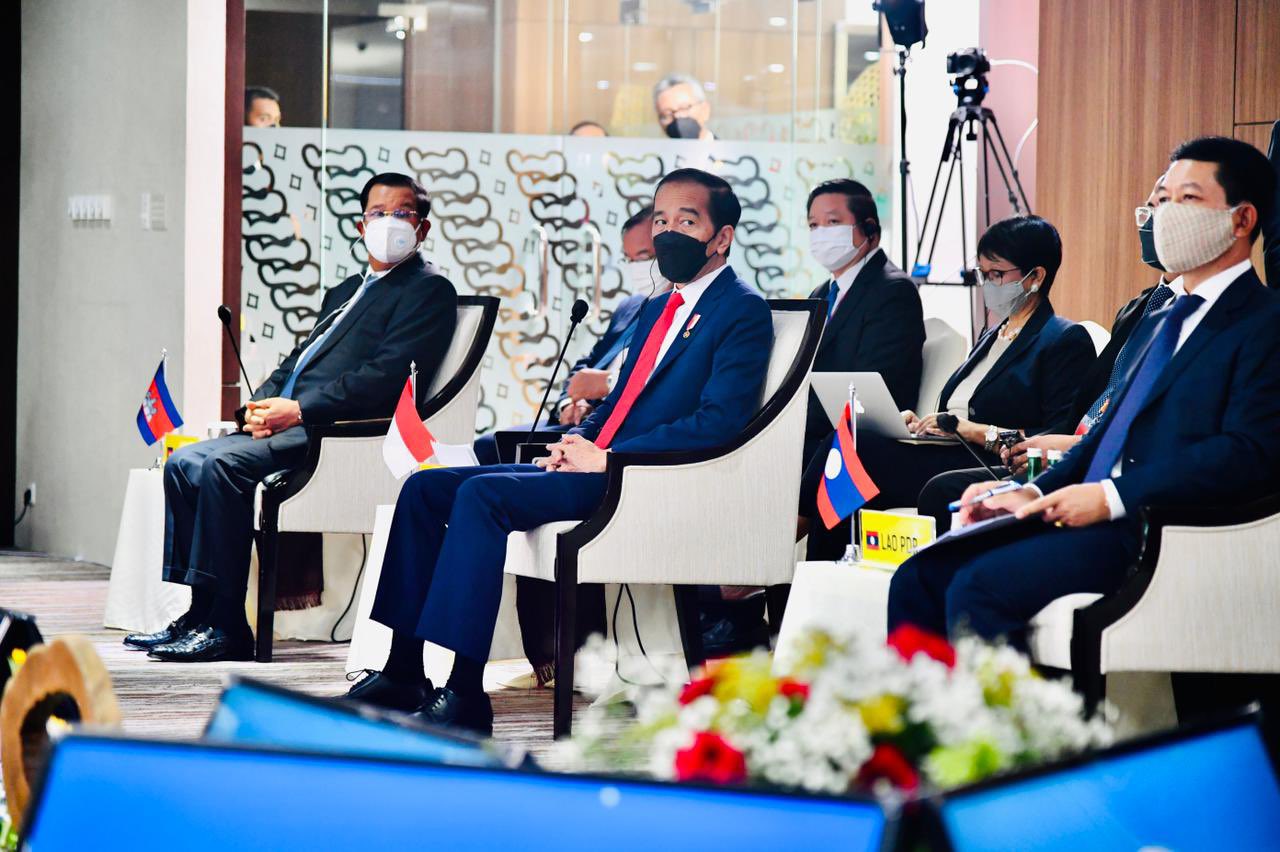
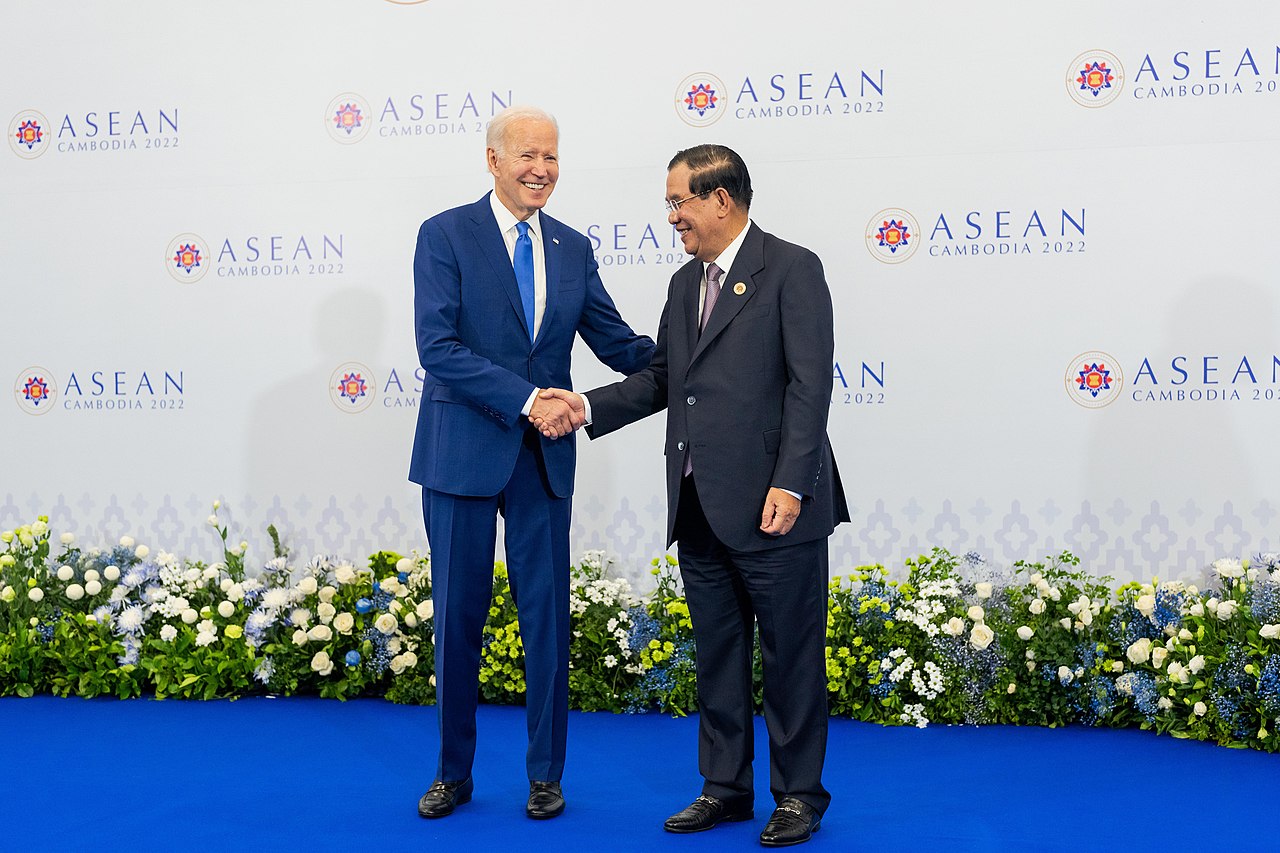


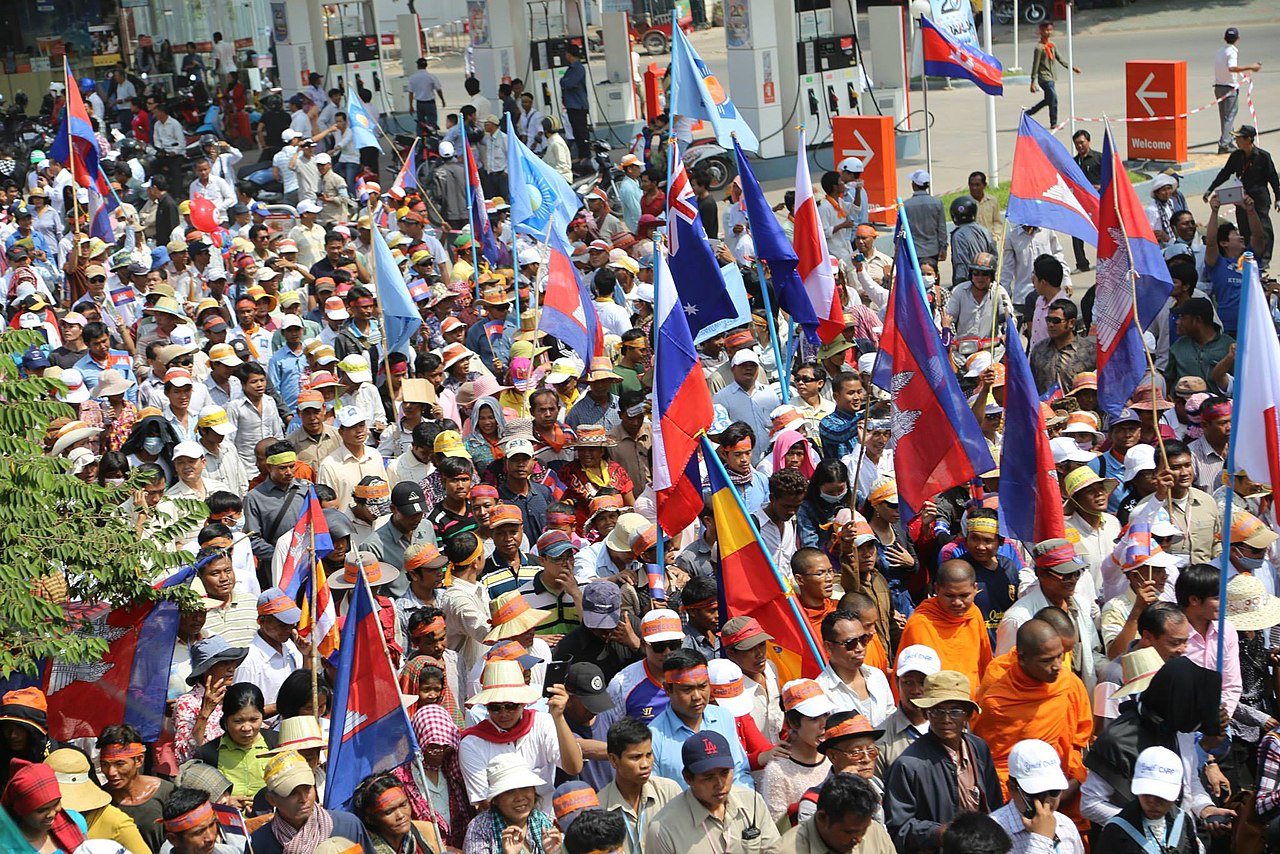



Early life and rise to power
Hun Sen’s early life coincided with a turbulent period in Cambodia. As a young man he became involved in the revolutionary and guerrilla movements that swept the country in the 1970s. After breaking with extremist factions and aligning with Vietnamese-backed forces that ousted the Khmer Rouge, he entered government roles in the 1980s. He served in senior cabinet posts, including foreign affairs and deputy prime minister, before assuming the prime ministership after the death of a predecessor. Contemporary summaries of his biography and name in Khmer appear in many references (Khmer spelling).
Political career and governance
Hun Sen led the CPP through the transition from Vietnamese occupation to a restored monarchy, the Paris Peace Accords era, and the UN-supervised elections of the early 1990s. Although the CPP lost the 1993 elections to FUNCINPEC in terms of seats, Hun Sen remained a central power broker and emerged as the dominant leader after internal conflicts in the late 1990s. Under his leadership, the CPP consolidated control through successive elections, political negotiations, and, critics say, legal and institutional measures that weakened viable opposition.
Policies, economy and domestic impact
During Hun Sen’s long tenure the country experienced notable economic growth, infrastructure investment, and a reduction in extreme poverty by many accounts. The government prioritized attracting foreign investment, expanding garment manufacturing, tourism, and construction. Supporters credit his administration with providing relative stability and economic development after decades of war; detractors argue that growth often benefited connected elites and did not always translate into widespread improvements in governance or social equality.
Controversies and international relations
Hun Sen’s rule was frequently criticized by human rights organizations, foreign governments, and democracy advocates for curbs on press freedom, harassment of political opponents, and restrictions on non-governmental organizations. A major turning point came when the main opposition was dissolved by the courts before the 2018 elections, enabling the CPP to win a dominant position in the legislature. International responses included diplomatic criticism and selective sanctions. Over time Cambodia’s foreign policy shifted closer to China for investment and strategic ties while maintaining historic ties with Vietnam.
Legacy and succession
By the early 2020s Hun Sen was one of the world’s longest-serving leaders. In 2023 he stepped down from the premiership and a new generation of leadership—already associated with his family and inner circle—assumed formal control. Observers assess his legacy as mixed: credited with bringing stability and economic expansion after chaos, but also blamed for weakening democratic institutions and concentrating power in a small political elite. His impact on Cambodia’s political landscape, regional alignments, and debates over governance will remain a subject of study and discussion.
- Key positions: Minister of Foreign Affairs, Deputy Prime Minister, Prime Minister (from 1985).
- Political party: Cambodian People's Party (CPP).
- Notable issues: economic development, political consolidation, human rights concerns.
Related articles
Author
AlegsaOnline.com Hun Sen — Cambodian politician and long-serving prime minister Leandro Alegsa
URL: https://en.alegsaonline.com/art/120797
Sources
- hrw.org : hrw.org
- economist.com : economist.com/news/asia/21566658-few-days-centre-stage-hun-sen-cambodias-dictator-may-not…
- reuters.com : reuters.com/article/2013/09/18/us-cambodia-hunsen-analysis-idUSBRE98H04K20130918.html