
Hu Yaobang — Chinese reformist leader and party official
Overview of Hu Yaobang (1915–1989), his political career, role in post‑Mao reforms, removal in 1987, and the significance of his death for the 1989 protests.
Overview
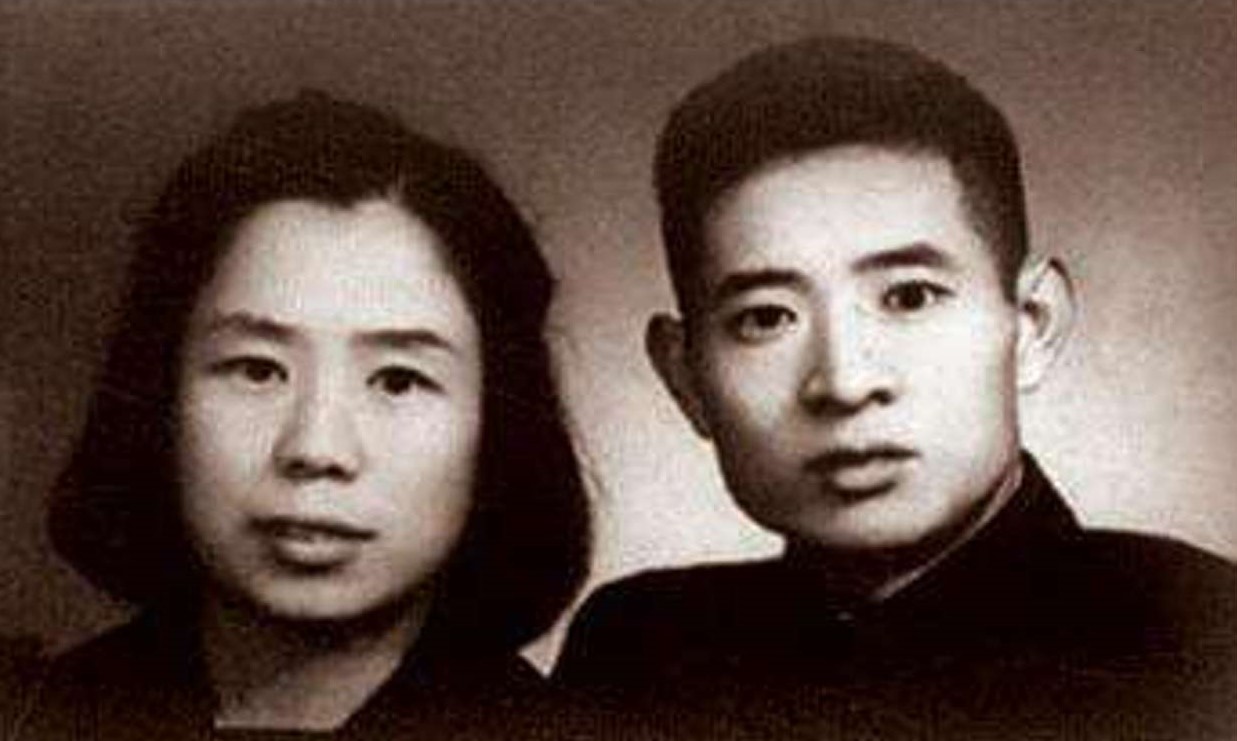
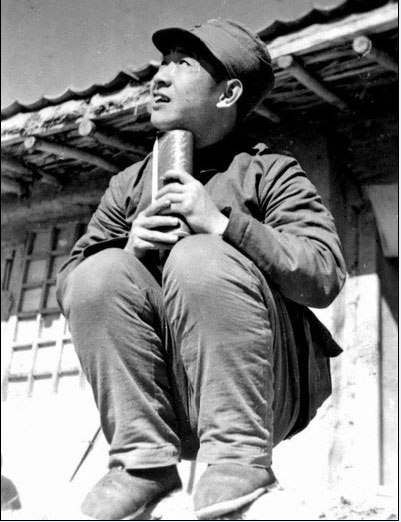
Hu Yaobang (20 November 1915 – 15 April 1989) was a senior Chinese Communist Party (CCP) leader notable for his involvement in mid‑20th century revolutionary campaigns and for a reformist stance in the 1980s. He participated in the Chinese Civil War and rose through party ranks to lead youth and central party organizations. In the early 1980s he became a prominent ally of Deng Xiaoping and a symbol of political rehabilitation for many who had been persecuted during earlier campaigns.
Image gallery
9 Images




Early career and party roles
Hu was active in the revolutionary movement that established Communist control in many provinces after 1949, including operations in Sichuan. He spent much of his career in organizational work, notably heading the Communist Youth League from the 1950s into the 1960s. During the Cultural Revolution he was among officials who fell from favor, and records show he was politically purged and later rehabilitated more than once. These cycles of fall and restoration shaped his later emphasis on redressing injustices.
Political stance and leadership in the 1980s
After the Cultural Revolution, Hu aligned with Deng Xiaoping in promoting a program of economic modernization and limited political liberalization. He advocated rehabilitation for victims of past political campaigns and supported measures to reduce the influence of radical ideological struggles in everyday governance. In this period he held one of the party's top posts and became known for a comparatively open approach toward intellectuals and student concerns, which won him support among younger generations and reform‑minded officials.
Removal and controversies
Hu's comparatively tolerant posture provoked resistance from more conservative party members. In 1987 he was criticized for what opponents called excessive leniency toward student activism and for failing to restrain unrest. Facing internal party complaints, he was removed from his leading post. Commentators link his fall to the tensions between reformers and conservatives within the CCP and to debates over the pace and scope of political change.
Death and legacy
Hu Yaobang's death in April 1989 touched off large public displays of mourning that evolved into sustained demonstrations calling for political reform and government accountability; these events coalesced in the protests centered at Tiananmen Square. For many observers his memory became a rallying point for demands for transparency, rehabilitation for victims of political persecution, and an end to corruption. His reputation remains contested: admired by many as a reformer and advocate for rehabilitation, and viewed by some within official circles as having pushed reforms too far, too fast.
Key facts and further reading
- Born 1915; died 1989; long involvement in CCP organizational work and youth mobilization.
- Close political ally of Deng Xiaoping and participant in struggles of the revolutionary era such as the Chinese Civil War.
- Led the Communist Youth League; involved in the establishment of party control in provinces including Sichuan.
- Purged during the Cultural Revolution and later rehabilitated; his relationship with the Communist Party and figures like Mao Zedong reflected the factional shifts of his era.
- For general biographical summaries see biographical sources.
Hu Yaobang's life illustrates several recurrent themes in modern Chinese politics: revolutionary legitimacy, the cycles of political purge and rehabilitation, the struggle over reform and stability, and the powerful symbolic role a single figure can play in public mobilization. His career is often studied to understand the trajectory of reform in the PRC and the limits of political change within the party system.
Questions and answers
Q: Who was Hu Yaobang?
A: Hu Yaobang was a Chinese politician and high-ranking official of the People's Republic of China.
Q: Who was he a political ally of?
A: He was a political ally of Deng Xiaoping.
Q: What was his role in the Chinese Civil War?
A: Hu Yaobang fought alongside Deng Xiaoping in the Chinese Civil War as part of the communist force that took power of Sichuan in 1949.
Q: What position did Hu Yaobang hold from 1952 to 1966?
A: Hu became the leader of the Communist Youth League from 1952 to 1966.
Q: Was Hu Yaobang a supporter of Mao Zedong during the Cultural Revolution?
A: No, during the Cultural Revolution, Hu Yaobang was accused of not being true to the Communist Party of China and Mao Zedong.
Q: Was Hu Yaobang rehabilitated after being accused during the Cultural Revolution?
A: Yes, Hu Yaobang was rehabilitated twice after being accused during the Cultural Revolution.
Q: Why was Hu Yaobang's death important in the 1989 Tiananmen Square protests?
A: Hu Yaobang's death in 1989 served as a catalyst for the Tiananmen Square protests, as he was seen as a symbol of reform and political openness.
Related articles
Author
AlegsaOnline.com Hu Yaobang — Chinese reformist leader and party official Leandro Alegsa
URL: https://en.alegsaonline.com/art/120804
Sources
- theatlantic.com : "China's Forgotten Liberal Hero"