
Hussain Muhammad Ershad
Bangladeshi military officer and politician who served as President (1983–1990), founded the Jatiyo Party, introduced administrative reforms, and remained a controversial figure until his death in 2019.
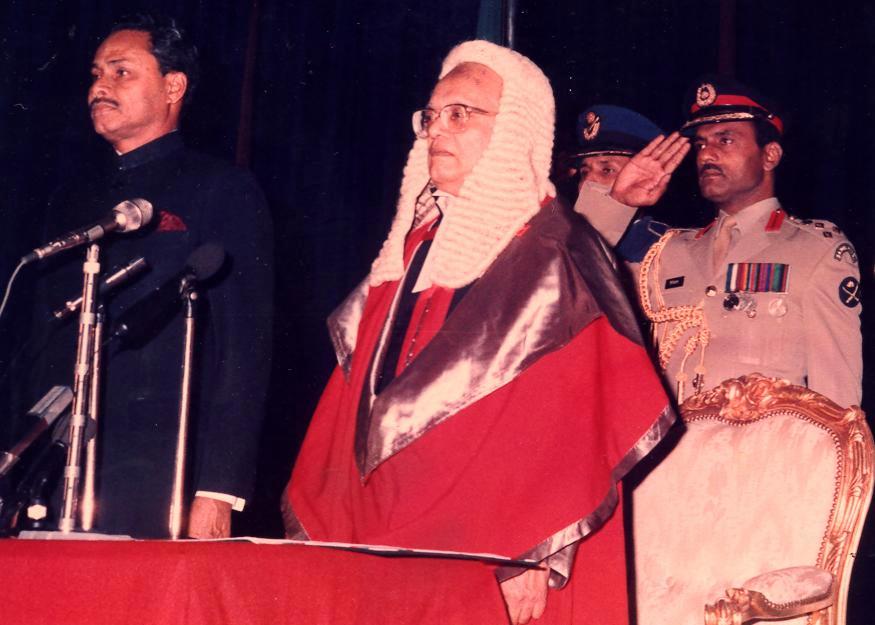
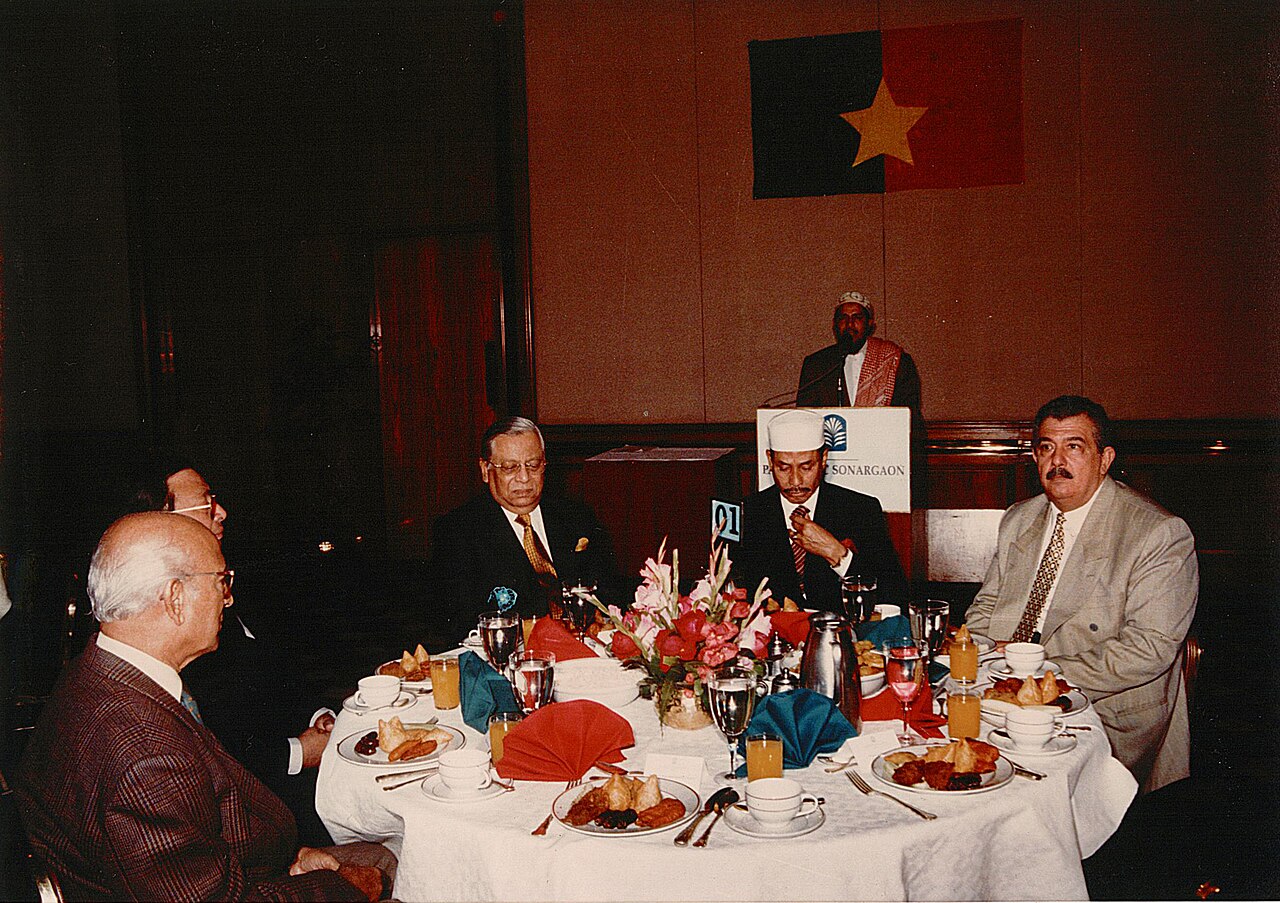
Hussain Muhammad Ershad (1 February 1930 – 14 July 2019) was a prominent and polarizing figure in Bangladesh’s late-20th-century politics. A senior military officer who assumed state power in the 1980s, he served as President of Bangladesh from 1983 until 1990 and later led the Jatiyo Party, which remained a major force in national politics. He was recognized by international bodies for work on population and environmental questions and died in 2019 from a blood disorder.
Image gallery
9 Images




Early career and rise to power
Ershad began his career in the armed forces and rose to a senior rank before transitioning into political leadership. In the context of political instability in the early 1980s he took control of the government, imposing martial law and consolidating executive authority. He formally assumed the presidency in 1983 and remained in office through the rest of the decade.
Policies and administration
His administration pursued a mix of development-oriented programs and institutional changes. Notable initiatives included decentralization measures that restructured local administration and an emphasis on rural infrastructure and welfare projects. In 1986 he founded the Jatiyo Party as a political vehicle to contest elections. His rule also included controversial constitutional and legal moves, and in 1988 the state declared religion a sensitive constitutional matter, a change that generated significant public debate.
Opposition, resignation and later politics
Ershad's period in power drew sustained criticism over authoritarian practices and restrictions on political freedoms. Widespread protests and a demand for democratic restoration culminated in his resignation in 1990. After leaving office he remained an active political leader, contesting elections and leading his party in parliament and coalition politics. His post-presidential years were marked by legal disputes and accusations of corruption that formed part of his complex public legacy.
Recognition, legacy and death
Internationally, he received honors for efforts connected to population and environmental issues, being acknowledged by United Nations bodies for related work. Domestically, assessments of Ershad vary: some credit his administrations with administrative reforms and development projects, while others emphasize the costs of authoritarian rule. He died on 14 July 2019 at a military hospital in Dhaka from myelodysplastic syndrome, aged 89.
- Name and language: His name in Bengali is available at Bengali spelling.
- Presidency: He held the office of President of Bangladesh from 1983 to 1990.
- Political vehicle: Founder and long-time leader of the Jatiyo Party.
Ershad remains a studied case in modern Bangladeshi history: an example of military involvement in politics, the complexities of governance in a young nation-state, and the mixed outcomes of policies that combined developmental goals with concentrated political power.
Related articles
Author
AlegsaOnline.com Hussain Muhammad Ershad Leandro Alegsa
URL: https://en.alegsaonline.com/art/120798
Sources
- goodreads.com : Bangladesh: A Legacy of Blood
- unfpa.org : United Nations Laureates
- global500.org : "UNEP Global 500 Laureates – Award Winners" · web.archive.org
- thedailystar.net : "Ershad passes away"
- aljazeera.com : "Former Bangladesh army ruler Ershad dies aged 89"