
Hussein of Jordan: King, Statesman, and Modernizer (1935–1999)
Overview of King Hussein bin Talal of Jordan: life, accession in 1952, key events of his reign including 1967 and 1970 crises, 1994 peace with Israel, domestic reforms, family and legacy.
Overview
Hussein bin Talal (Arabic: الحسين بن طلال) ruled as King of Jordan from 11 August 1952 until his death on 7 February 1999. He became sovereign as a teenager and led Jordan for nearly half a century. His reign is remembered for efforts to modernize the kingdom, preserve its independence amid regional upheaval, and navigate complex relations with neighbouring Arab states, Israel and Western allies.
Image gallery
10 Images




Early life and accession
Born in 1935 into the Hashemite royal family, Hussein succeeded his father, King Talal, after a period of political uncertainty. Because he was underage at accession, a regency and advisers shaped early governance until Hussein assumed full powers. His formative years as monarch were marked by a need to consolidate authority and state institutions while responding to regional nationalism and Cold War tensions.
Major events and foreign relations
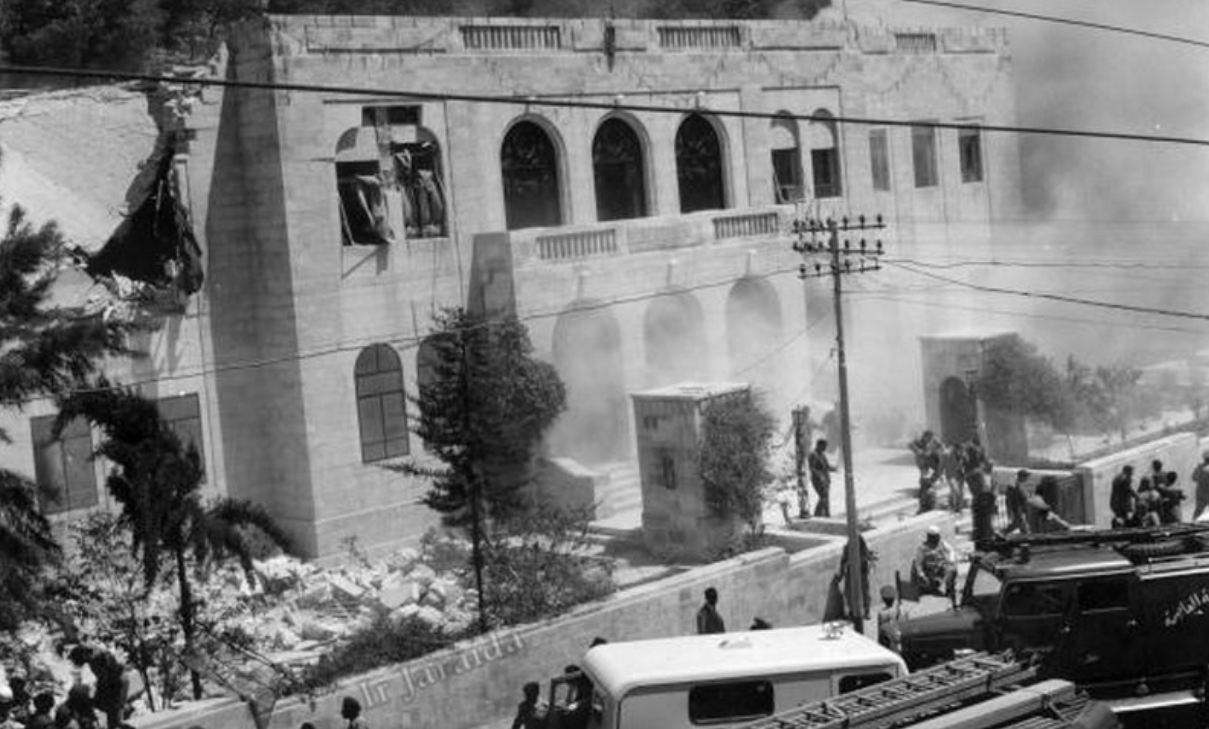
Hussein's reign encompassed several defining regional crises. Jordan fought in the 1967 Arab–Israeli war, after which it lost the West Bank and East Jerusalem — a traumatic outcome for the country and its people. In 1970–71 internal conflict between the Jordanian government and Palestinian armed groups culminated in the events often referred to as Black September, after which the state reasserted control. In the 1990s Hussein shifted toward negotiated peace, culminating in a formal peace treaty with Israel in 1994 that normalized relations while remaining controversial in the Arab world.
Domestic policy and reforms
Domestically, Hussein pursued gradual modernization of the economy and public institutions, balancing traditional authority with pressures for political participation. He restored parliamentary life after unrest in the late 1980s and introduced measured liberalization, while maintaining a central role for the monarchy in national security and foreign policy. Jordan under his rule relied on diplomacy and alliances to secure aid and regional stability.
Personal life and succession
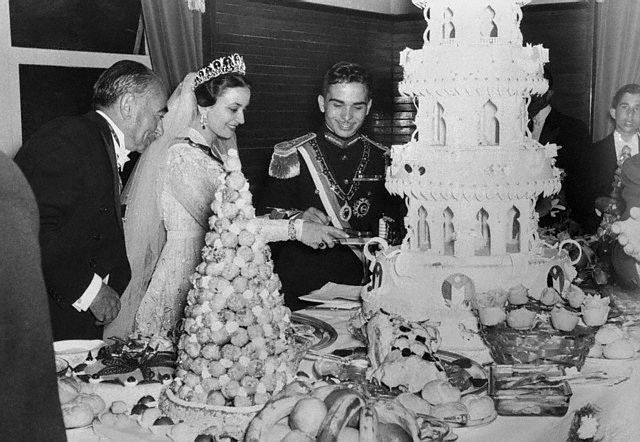
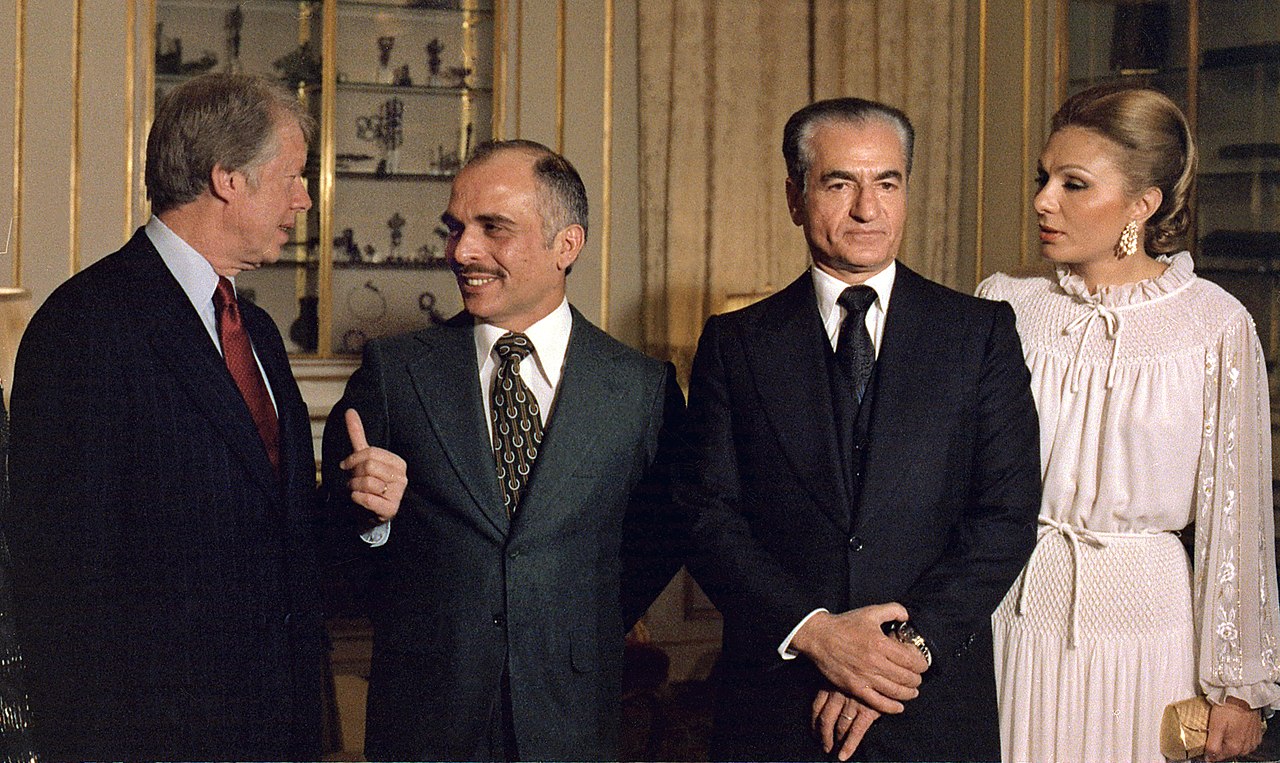
Hussein married several times and fathered children who would play prominent roles in Jordanian life. His eldest son succeeded him as King Abdullah II. Hussein cultivated an image as a working monarch engaged in both ceremonial duties and the practical governance of his country, often visited capitals around the world, and was regarded as an influential figure in Middle Eastern diplomacy.
Death and legacy
King Hussein died on 7 February 1999 in Amman at the age of 63 after an illness attributed to non-Hodgkin lymphoma. His nearly 47-year reign left a mixed but enduring legacy: preserving Jordan's territorial integrity and sovereignty, steering the kingdom through wars and diplomatic shifts, and opening pathways to political and economic reform while maintaining stability in a turbulent region.
Notable facts
- Reigned from 1952 to 1999, one of the longest-serving Arab monarchs of the 20th century.
- Faced the 1967 defeat and the 1970 internal crisis; later signed a peace treaty with Israel in 1994.
- Recognized for balancing relations between Western allies and Arab neighbours while leading modernization efforts at home.
Related articles
Author
AlegsaOnline.com Hussein of Jordan: King, Statesman, and Modernizer (1935–1999) Leandro Alegsa
URL: https://en.alegsaonline.com/art/120800
Sources
- news.bbc.co.uk : "King Hussein dies"