
Khmer language: overview, script, features, history, and use
Khmer is the principal language of Cambodia and the Khmer people. This article outlines its classification, writing system, phonology, history, regional varieties, and challenges for learners and researchers.
Overview
Khmer is the principal language of Cambodia and the native tongue of the Khmer people. It belongs to the Mon–Khmer branch of the Austroasiatic family and serves as the nation’s official language (Cambodia). Khmer is spoken natively in Cambodia and by Khmer communities in neighboring countries such as Thailand and Vietnam, as well as by diaspora populations abroad (Khmer people).
Image gallery
4 Images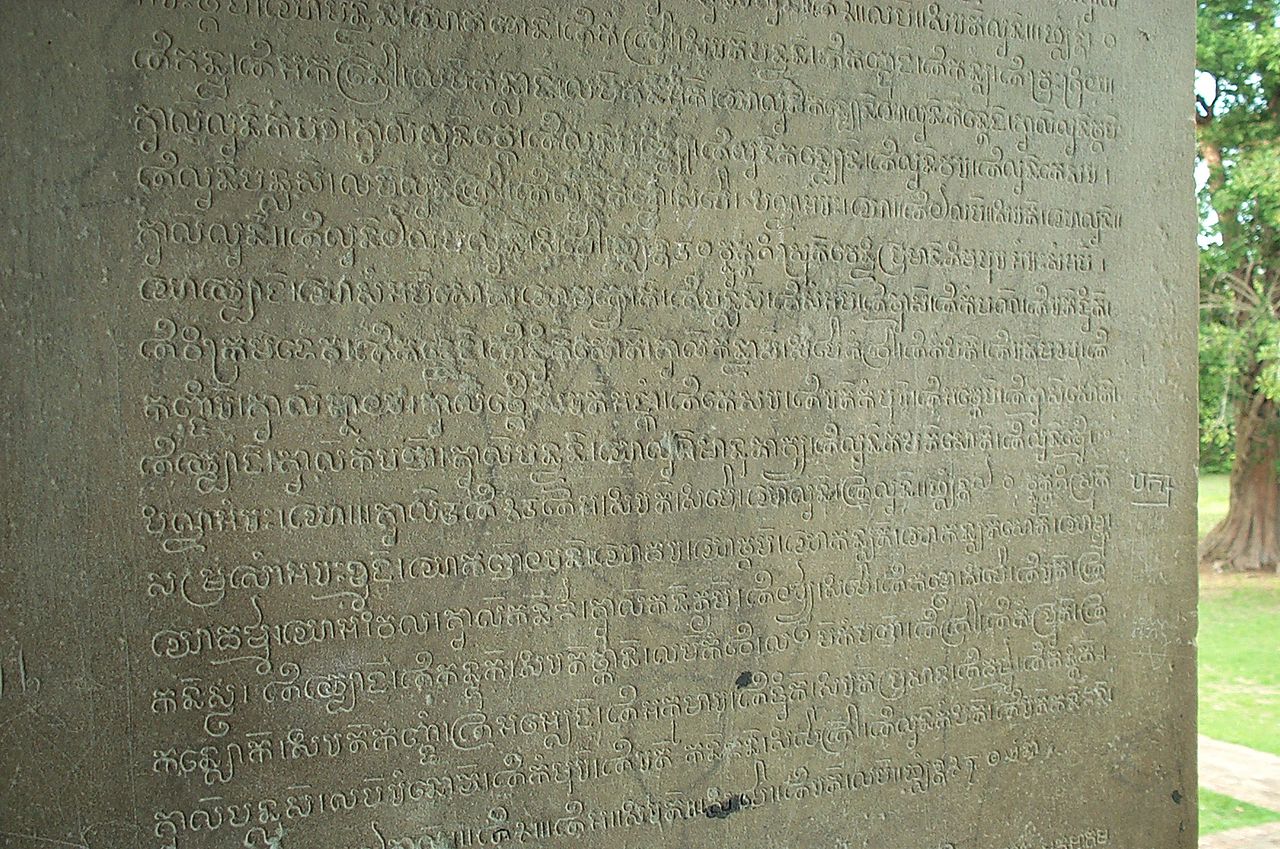


Writing system
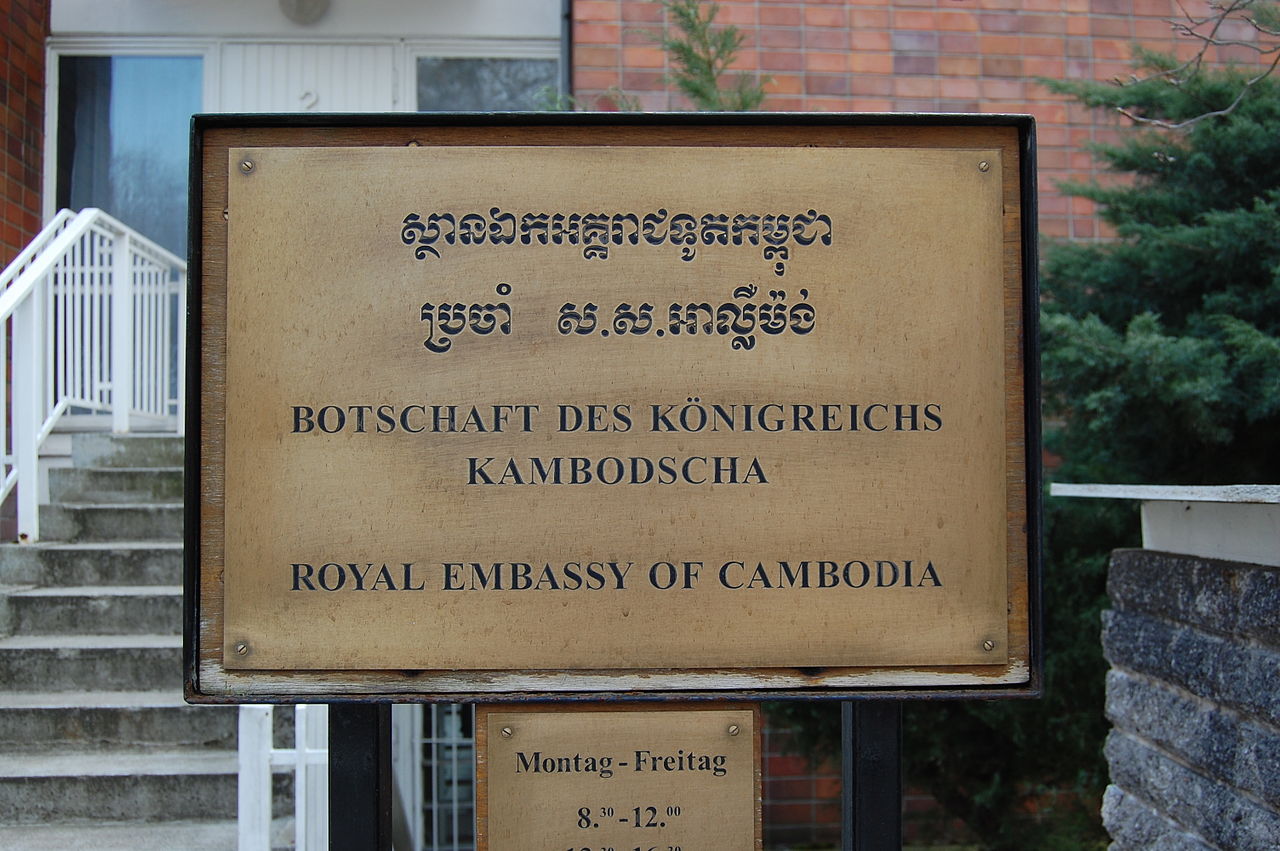
Khmer uses an abugida-style script developed from South Indian Brahmi-derived writing traditions; its script has in turn influenced several Southeast Asian alphabets (Khmer script) and provided models adopted by other languages, including the Thai system (Thai script). The script writes consonant letters with an inherent vowel and marks other vowels with attached diacritics. Consonant clusters are commonly written using stacked or subscript consonants rather than separate symbols for each sound.
Linguistic features
Unlike most of its immediate neighbors, Khmer is not a tonal language; pitch does not distinguish word meaning in the way it does in Thai, Lao, or Vietnamese. Grammar relies largely on word order (typically subject–verb–object), particles, and context rather than inflectional changes for tense, gender, or number. Phonetically, Khmer has a wide inventory of vowels and a set of consonant contrasts that can be challenging for learners, as well as complex consonant clusters realized in the written system through subscripts and diacritics.
History and regional varieties
Khmer has a long written record in inscriptions and manuscripts that testify to centuries of literary and administrative use. Regional varieties include the Central dialects that form the basis of standard Cambodian Khmer, Northern varieties spoken across the border in Thailand, and several other local forms. Classical and religious texts—particularly Buddhist Pali materials—have also been set in Khmer script, reinforcing the script’s cultural role.
Uses, teaching, and digital presence
As Cambodia’s official language, Khmer is the medium of education, government, media, and commerce. Historically the lack of widely available learning resources and the script’s complexity slowed foreign study, but contemporary textbooks, online courses, and improved Unicode font support have expanded access. Learners often cite the unspaced appearance of written Khmer (spaces traditionally mark phrase or sentence boundaries rather than every word), the extensive vowel system, and stacked consonants as principal challenges.
Notable facts and examples
- The Khmer script is among the region’s most elaborate alphabets in terms of distinct consonant symbols and diacritics.
- Common everyday phrases include សួស្ដី (sousdey) for "hello" and អរគុណ (arkun) for "thank you."
- Modern efforts in education, lexicography, and computing have increased resources for learners and helped preserve regional varieties.
Related articles
Author
AlegsaOnline.com Khmer language: overview, script, features, history, and use Leandro Alegsa
URL: https://en.alegsaonline.com/art/53236
Sources
- ethnologue.com : Entry for Khmer