
Humberto Maturana
Chilean biologist and philosopher known for founding the concept of autopoiesis and for work on the biology of cognition; influential across systems thinking, cybernetics, and cognitive science.
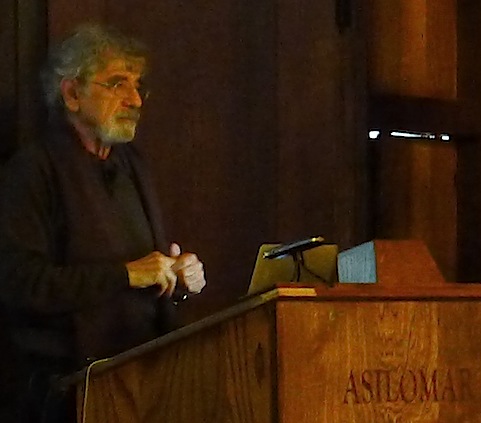
Humberto Maturana (1928–2021) was a Chilean biologist and philosopher whose research reshaped how scientists and thinkers understand living systems. He is often associated with later generations of systems scientists and cyberneticians. Born and based for much of his life in Santiago, Chile, Maturana combined empirical biology with conceptual analysis to propose new ways of describing life and cognition.
Image gallery
6 Images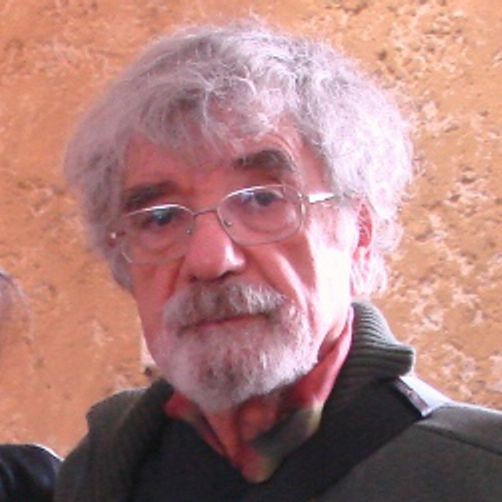


Core ideas
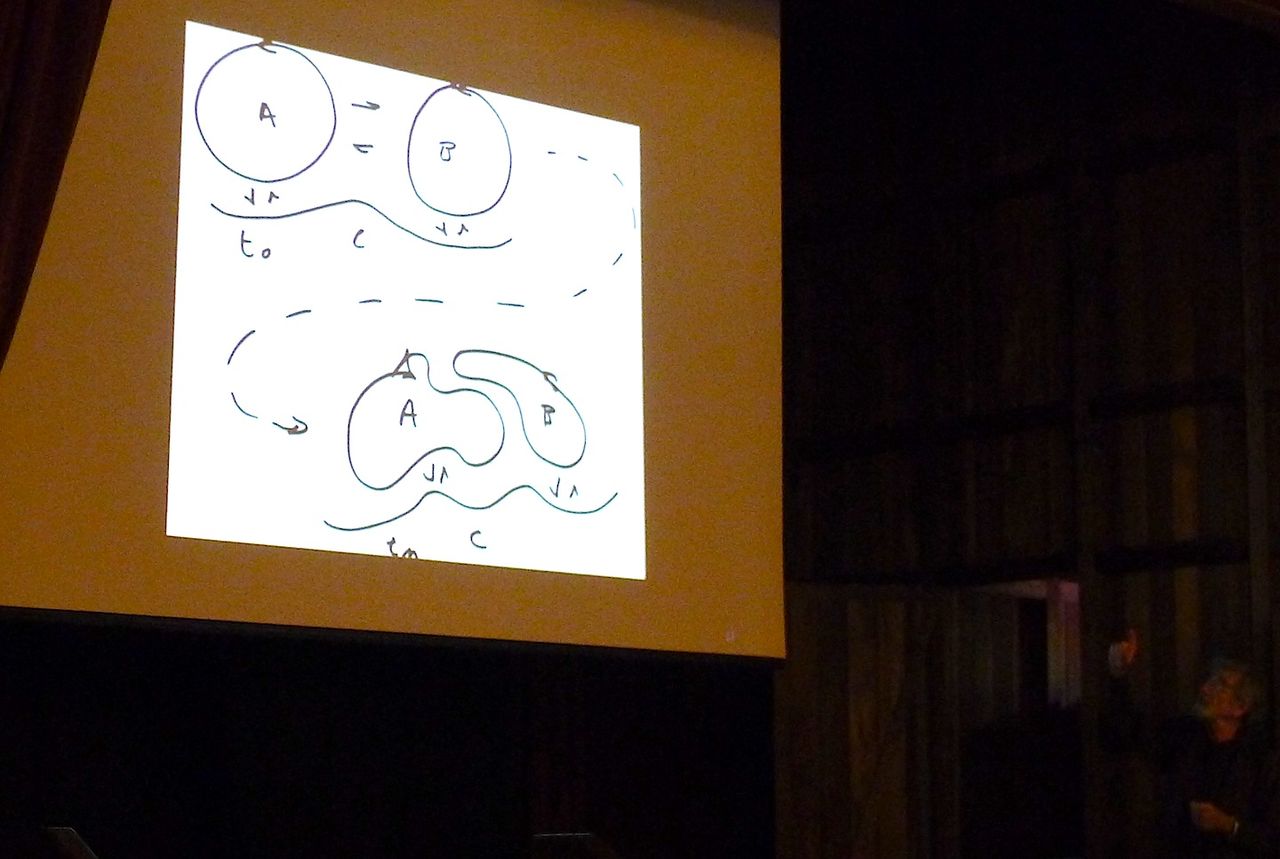
Maturana, together with his colleague Francisco Varela, introduced and developed the concept of autopoiesis to characterize the self-producing organization of living systems. Autopoiesis describes how an organism continuously regenerates and maintains its own components and boundaries, a perspective that reframes the nature of life as a process rather than a set of static properties. He also articulated the view that cognition is not a separate mental faculty but a biological process, often summarized as the biology of cognition.
Concepts and terminology
- Autopoiesis: self-creation and self-maintenance of living systems.
- Structural coupling: the history of recurrent interactions that shape mutual changes between an organism and its environment.
- Observer and language: exploration of how observers arise in living systems and how language participates in social coordination and cognition.
Maturana and Varela presented these ideas in influential works that crossed disciplinary boundaries, emphasizing rigorous description of biological organization while drawing implications for psychology, sociology, education, and artificial life.
Influence and applications
Their thinking influenced fields as diverse as cognitive science, systems theory, management, psychotherapy, and ecology. Autopoiesis provided a vocabulary for discussions of self-organization in artificial life and for debates about what counts as living. Educators and organizational theorists adopted Maturana's emphasis on language, interaction, and the role of the observer in shaping meaning.
Maturana's writings are noted for combining empirical attention to living processes with philosophical reflection. He remained active as a public intellectual, speaking on science, society and ethics. He died on May 6, 2021 in Santiago from pneumonia, leaving a legacy that continues to inform contemporary work on cognition, life, and systems.
Recommended entry points to his work include his collaborations with Varela and later essays exploring social and educational implications. For further reading and resources, see works and commentaries that trace the development and critiques of his ideas across disciplines.
biologist · philosopher · systems scientists · cyberneticians · Santiago · Francisco Varela · autopoiesis · nature of life · biology of cognition · pneumonia
Related articles
Author
AlegsaOnline.com Humberto Maturana Leandro Alegsa
URL: https://en.alegsaonline.com/art/120791