
Howard Marks (Mr Nice): Welsh drug smuggler, author and campaigner
Howard Marks (1945–2016), nicknamed 'Mr Nice', was a Welsh cannabis trafficker turned bestselling author who later campaigned for drug law reform after conviction and imprisonment in the United States.
Howard Marks (13 August 1945 – 10 April 2016), commonly known by the nickname Mr Nice, was a high-profile figure in the international cannabis trade who later became an author and public advocate for changes in drug policy. Born in Wales in 1945, he gained notoriety during the 1970s–1990s for his role in large-scale trafficking networks and for claiming an unusually wide range of contacts across political and criminal circles.
Image gallery
1 Image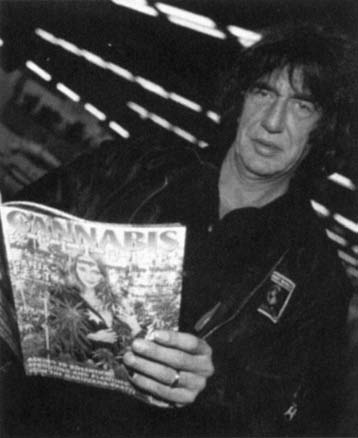
Activities and methods
Marks operated as an international cannabis trafficker, using a complex web of suppliers, ship and air routes, and front companies. He reportedly used dozens of aliases to conceal his identity and movements; published accounts and court records note as many as 43 different names. He adopted the sobriquet "Mr Nice" after buying a passport under the name of a convicted murderer, Donald Nice. Law enforcement and media reports have attributed massive volumes to his operations—allegations include quantities said to reach as much as 30 tons—although precise figures are difficult to verify.
Alleged connections
Throughout his life Marks was linked—by his own claims, investigative reporting, and court material—to a wide array of organisations and individuals. These associations were controversial and sometimes disputed; they ranged from intelligence agencies to paramilitary groups and organised crime. Reports have suggested connections or encounters with entities such as the CIA, the MI6, the IRA, and various Mafia figures. Whatever the truth of those ties, they helped shape his public image as an intermediary between very different worlds.
Arrest, conviction and imprisonment
In the early 1990s Marks was arrested and prosecuted by United States authorities. He was convicted on drug trafficking charges and sentenced to 25 years in an American federal prison, to be served at the Federal Correctional Complex in Terre Haute. He ultimately served seven years and was released in April 1995. The prosecution and sentencing were major media stories at the time and intensified public interest in both his criminal career and the broader issues of international drug enforcement.
Writing, advocacy and public life
After his release Marks turned to writing and public campaigning. His best-selling autobiography, Mr Nice, blended memoir, legal detail, and anecdote to present his life from both the criminal and personal perspectives. He used the platform to argue for reform of drug laws, raising questions about proportional sentencing, the harms of prohibition, and the comparative risks of different substances. He also wrote articles, gave interviews and appeared at public events, becoming an unlikely celebrity and spokesman for parts of the reform movement.
Legacy and death
In January 2015 Marks revealed he had been diagnosed with inoperable colorectal cancer. He died on 10 April 2016, aged 70. His legacy remains mixed: he is remembered both as a prolific offender whose activities helped shape the global drug trade and as a charismatic writer who encouraged debate about drug policy and sentencing. Public responses to him have ranged from admiration for his storytelling and campaigning to criticism for the social harms his trafficking helped perpetuate.
- Nationality: Welsh.
- Primary commodity: cannabis.
- Aliases: many, including the name from which he took his nickname, linked to Donald Nice.
- Law enforcement: prosecuted by the DEA and sentenced in the United States.
- Notable public claim: alleged links to groups such as the CIA, MI6, the IRA and the Mafia.
For readers seeking more detail, Marks' autobiography and contemporary news reports provide first-person narrative and reporting on trials and arrests. His story is often used in discussions about the boundaries between organised crime, geopolitics and the evolving movement for drug policy reform.
Related articles
Author
AlegsaOnline.com Howard Marks (Mr Nice): Welsh drug smuggler, author and campaigner Leandro Alegsa
URL: https://en.alegsaonline.com/art/120725
Sources
- bbc.co.uk : "Ex-drug smuggler Howard Marks has inoperable cancer"
- theguardian.com : "'Mr Nice' Howard Marks dies aged 70", The Guardian, 10 April 2016