
Howard Temin: Discoverer of Reverse Transcriptase and Nobel Laureate
American geneticist Howard Temin (1934–1994) proposed the provirus idea and discovered reverse transcriptase, a finding that reshaped molecular biology and earned a shared Nobel Prize in 1975.
Overview
Howard Martin Temin (December 10, 1934 – February 9, 1994) was an American geneticist and researcher who made foundational contributions to molecular biology. In the 1960s he proposed that certain RNA tumor viruses could integrate into host DNA, and a few years later he and others demonstrated an enzyme that synthesizes DNA from RNA. That insight overturned parts of the prevailing view of information flow in cells and influenced decades of biomedical research.
Image gallery
2 Images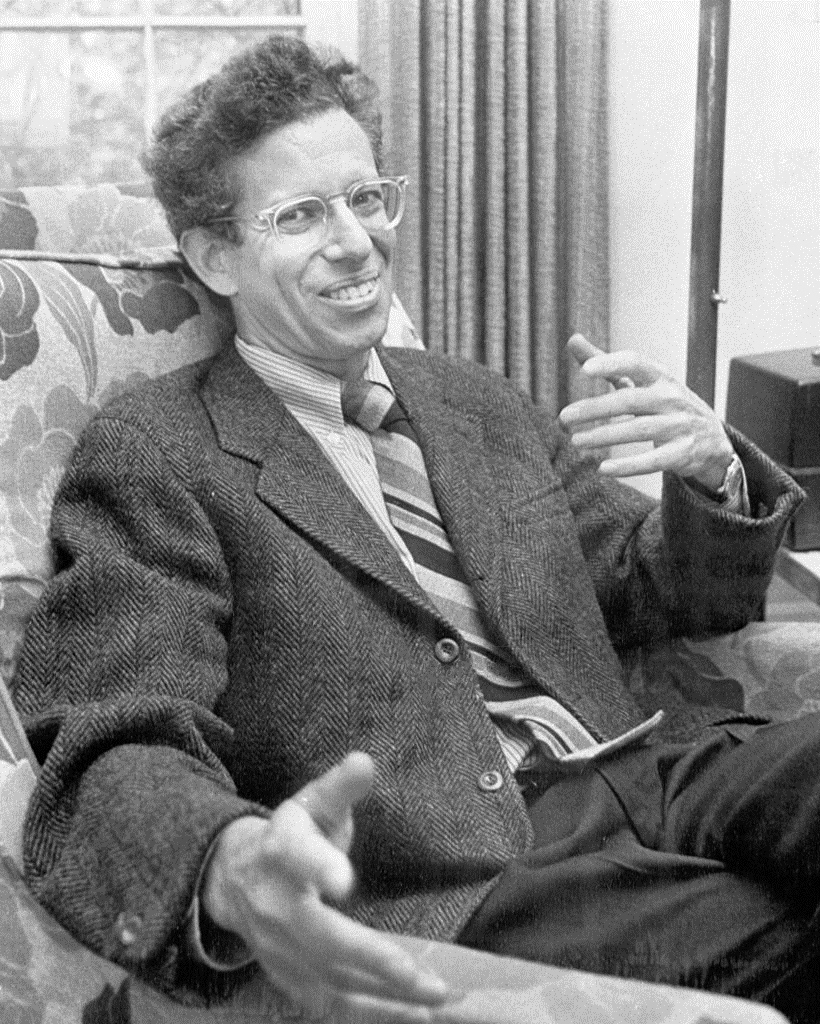

Major discovery
Temin's work focused on tumor viruses and how they interact with the genetic material of infected cells. Building on experiments and hypotheses from the mid-1960s, he showed that these viruses carry an enzymatic ability to copy their RNA genome into DNA. This activity is performed by an enzyme known as reverse transcriptase. The idea that information could flow from RNA back to DNA challenged the strictest formulations of the central dogma and required rethinking how viral genomes persist and transform host cells.
Recognition and peers
For these contributions Temin shared the 1975 Nobel Prize in Physiology or Medicine with David Baltimore and Renato Dulbecco. Their collective work was cited for clarifying the interaction between tumor viruses and cellular genetic machinery. Temin's research earned him international recognition and placed him among the leading figures in molecular virology and cancer biology.
Impact and applications
The discovery of reverse transcription had broad and lasting consequences. It provided a mechanistic framework for how certain viruses establish persistent infections and transform cells, and it enabled new laboratory methods. Practical effects include:
- fundamental advances in understanding retroviruses and their life cycles;
- development of molecular techniques that rely on copying RNA into DNA for analysis;
- applications in medical research, diagnostics and biotechnology arising from the ability to detect and manipulate genetic material.
Legacy
Temin's hypothesis and experimental confirmation are widely regarded as turning points in 20th-century biology. His work exemplifies how careful observation, bold theoretical thinking and rigorous experimentation can change scientific consensus. Colleagues and later generations of scientists built on his findings to explore virus-induced cancer, gene expression, and molecular diagnostics.
Further reading
For concise introductions and archival materials about Temin's life and science, consult authoritative science histories and institutional collections. Short biographical summaries and overviews of reverse transcription are available from several sources and repositories: profile, virus research summaries, and dedicated historical essays on the development of molecular virology and genetics. Additional references and primary literature can be found through curated bibliographies and scientific archives on enzymology and retroviral biology.
Related articles
Author
AlegsaOnline.com Howard Temin: Discoverer of Reverse Transcriptase and Nobel Laureate Leandro Alegsa
URL: https://en.alegsaonline.com/art/120730
Sources
- nobelprize.org : "Howard Martin Temin - Autobiography"