
Horatio Seymour (1810–1886): New York governor and 1868 Democratic presidential nominee
Biography of Horatio Seymour, American lawyer and Democratic politician, two‑time governor of New York and the party's 1868 presidential nominee; overview of life, career, 1863 governorship and 1868 campaign.
Overview
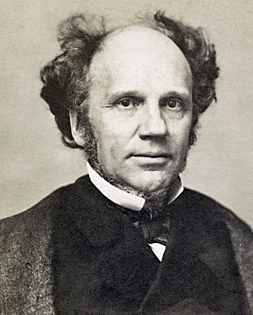
Horatio Seymour (May 31, 1810 – February 12, 1886) was an American lawyer and statesman who played a prominent role in New York politics in the mid‑19th century. He served two nonconsecutive terms as governor of New York and led the Democratic Party's ticket in the 1868 presidential election. Seymour's career spanned a turbulent era that included the sectional crisis, the Civil War, and the first years of Reconstruction.
Image gallery
10 Images


Early life and background
Seymour was born in Pompey Hill, New York. He studied at Geneva College and trained in the law before entering public life. He established a legal practice and became active in state and local affairs, gaining a reputation as a skillful organizer and persuasive public speaker. Seymour married Mary Bleecker; the couple had no children and largely lived a private family life outside his political duties.
Political career and public office
Seymour built a long career in Democratic Party politics and state government. He first reached statewide prominence in the 1850s and was elected governor of New York for a one‑year term (1853–1854). A decade later he returned to the governor's office for the 1863–1864 term during the Civil War. His positions often emphasized states' rights and civil liberties, and he was a vocal critic of some wartime federal policies.
Governorship during crisis
As governor in 1863, Seymour governed at a time of intense national strain. New York faced political divisions over federal war measures, the draft, and wartime restrictions on civil liberties. Seymour's public disagreements with the Lincoln administration and his appeals to local authority made his second term controversial in some quarters. Historians note that his leadership reflected the difficult balance state executives faced between supporting the Union war effort and defending constitutional protections.
1868 presidential campaign
In 1868 Seymour was chosen as the Democratic Party's presidential nominee. The campaign centered on Reconstruction policy, the role of federal power, and how best to reunite the nation after the Civil War. Seymour campaigned as the Democratic alternative to Republican proposals, but he was defeated by the popular Union general and Republican nominee Ulysses S. Grant. The election returned a commanding Republican victory; the Democratic platform criticized many Republican Reconstruction measures and argued for restoration of civil government in the Southern states. For context, Seymour had been an established politician and party leader in New York and nationally, and he accepted the nomination as the standard‑bearer of his party's positions during this contentious era. The victorious Republican and former Republican and former Union general was widely seen as a symbol of wartime leadership. The presidential contest itself is commonly referred to as the 1868 election, and Seymour ran as the nominee of the Democratic Party.
Later years and legacy
After the defeat of 1868 Seymour returned to New York and remained engaged in civic life, though he never again sought the presidency. He died in 1886. Historians regard Seymour as a representative figure of pre‑ and postwar Democratic politics: a capable administrator, a defender of state prerogatives, and a politician whose career illuminates the tensions between national authority and local rights during and after the Civil War. His life illustrates how state leaders negotiated loyalty to the Union while critiquing federal policies they regarded as overreaching.
Notable facts
- Seymour's two terms as governor were separated by a decade and took place before and during the Civil War.
- His 1868 presidential candidacy highlighted national debates about Reconstruction and executive power.
- He is remembered for both his organizational skill within the Democratic Party and for the controversies of wartime governance.
Related articles
Author
AlegsaOnline.com Horatio Seymour (1810–1886): New York governor and 1868 Democratic presidential nominee Leandro Alegsa
URL: https://en.alegsaonline.com/art/120698
Sources
- elections.harpweek.com : "Horatio Seymour"