
Horace Silver: Architect of Hard Bop and Soulful Jazz Composition
Overview of Horace Silver, American jazz pianist and composer known for hard bop, soulful, Latin-tinged grooves, key recordings, and lasting influence on jazz repertoire.
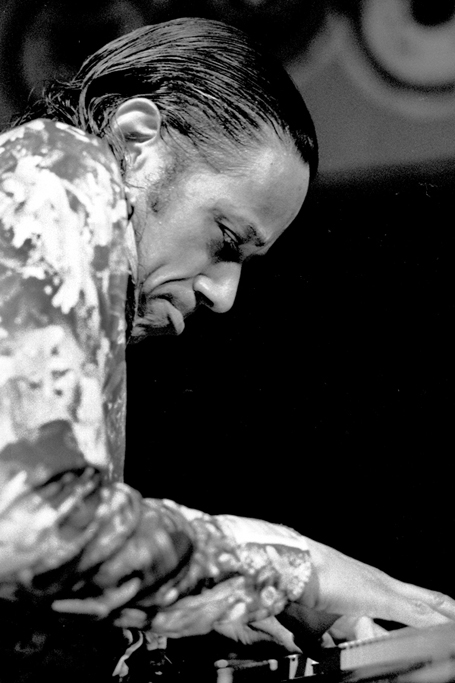
Horace Silver (Horace Ward Martin Tavares Silva, 1928–2014) was an American jazz pianist and composer whose work helped define the hard bop sound of the 1950s and 1960s. He combined catchy, blues- and gospel-inflected melodies with funky rhythms and economical arranging. Silver's pieces became standards, and his straightforward, danceable grooves broadened the appeal of modern jazz.
Image gallery
5 Images


Musical characteristics
Silver's music is marked by memorable motifs, strong rhythmic drive, and a blend of influences that include blues, R&B, Latin rhythms, and church-derived harmony. He often wrote short, song-like themes with repeated vamps and crisp horn voicings that left room for expressive solos. Piano-wise, Silver favored a percussive left hand and concise right-hand lines that emphasized groove over virtuosic display.
Career and development
Born to Cape Verdean parents in Norwalk, Connecticut, Silver rose in the New York jazz scene after World War II. In the early 1950s he co-led groups with drummer Art Blakey; their partnership played a central role in the emergence of the Jazz Messengers as a hard bop force. Silver recorded prolifically for Blue Note Records and led his own quintets for decades, nurturing young horn players and shaping a consistent band sound.
Notable works and recordings
Several compositions and albums by Silver are widely regarded as milestones. Key compositions include:
- Song for My Father — a signature tune with a memorable opening bass motif
- The Preacher — an example of his gospel-tinged phrasing
- Señor Blues and Cape Verdean Blues — showing Latin and ancestral influences
Essential albums include Blowin' the Blues Away and the album Song for My Father, which remain frequently cited by musicians and critics.
Legacy and influence
Silver's tunes entered the standard jazz repertoire and influenced both players and listeners by demonstrating how modern jazz could be tuneful, rhythmic, and accessible without sacrificing sophistication. His writing provided vehicles for improvisation while retaining strong, singable themes. Many later musicians credit his blend of popular rhythms and modern harmony for expanding jazz's expressive range. His work also reached beyond jazz—melodic elements from his pieces have appeared in popular music, illustrating his broad cultural reach.
Notable facts
- He drew on a wide palette that included Cape Verdean heritage and gospel music.
- Silver was a prolific composer whose short, memorable tunes often became jazz standards.
- He received major recognition during his lifetime and is commonly cited as a key figure in hard bop's development.
Related articles
Author
AlegsaOnline.com Horace Silver: Architect of Hard Bop and Soulful Jazz Composition Leandro Alegsa
URL: https://en.alegsaonline.com/art/120694
Sources
- portuguesefoundation.org : "Distinguished Americans & Canadians of Portuguese Descent"
- ottawacitizen.com : "Jazz Legend and Hard Bop Pianist Horace Silver Has Died"
- allmusic.com : Allmusic