
Horace Mann: Architect of American Public Education
Horace Mann (1796–1859) was an American education reformer who promoted free, nonsectarian public schools, professional teacher training, and wider access to elementary education.
Horace Mann (1796–1859) was an American educator and public official widely regarded as a founder of the modern public school movement in the United States. Serving as a leading advocate for free, nonsectarian, and publicly funded elementary education, Mann worked to make schooling more systematic, better staffed and more widely available. He combined administrative experience, public speaking and writing to influence policy at the state and national levels.
Image gallery
8 Images


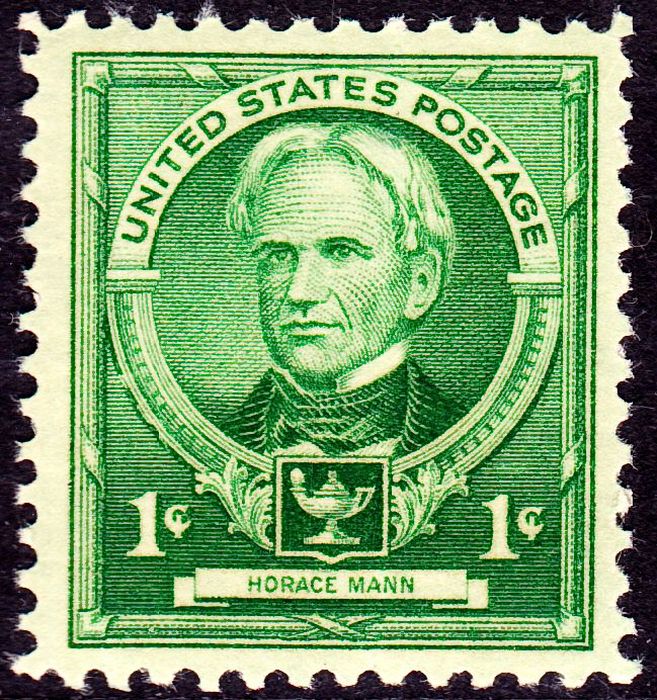

Role and reforms
As secretary of the Massachusetts Board of Education he inspected schools across the state and published annual reports that argued for a state-supported common school system. Mann promoted several core ideas: longer and more regular school terms, graded schools with a standard curriculum, professional training for teachers (normal schools), and public oversight and financing of education to ensure broad access. His practical reforms aimed to raise educational quality and consistency.
Philosophy and influence
Mann believed education was a key instrument for social improvement. He argued that schooling prepared citizens for participation in a democratic society and helped transform what he called the "raw material" of human nature into productive members of the community. He favored nonsectarian instruction—schools that avoided denominational control—so that children of varying religious backgrounds could attend the same public institutions.
Major actions and legacy
- Direct inspection: Mann traveled to observe individual schools and classrooms to inform policy and reporting.
- Teacher preparation: He championed the establishment and expansion of normal schools to professionalize teaching.
- Administrative models: His annual reports helped standardize curricula and administrative practices across districts.
- Public funding and governance: He argued for taxes to support schools and for state boards to oversee educational standards.
Later life and significance
After his work in Massachusetts, Mann became the first president of Antioch College in Ohio, where he continued to promote educational ideals until his death. His writings and the policies he promoted influenced the spread of public schooling throughout the United States and inspired education reformers abroad. Elements of his program—universal access, trained teachers and public accountability—remain central to many public education systems today.
For additional context on the kinds of institutions and reforms Mann advocated, see resources about public schools, historical overviews of education in the United States, the state-level changes that began in Massachusetts, and information about Antioch College where Mann served as the first president: Antioch College. His own words capture his conviction: "Our means of education are the grand machinery by which the 'raw material' of human nature can be worked up into inventors and discoverers, into skilled artisans and scientific farmers."
Related articles
Author
AlegsaOnline.com Horace Mann: Architect of American Public Education Leandro Alegsa
URL: https://en.alegsaonline.com/art/120692