
Helen Reddy (1941–2020): Australian singer, actress and songwriter
Australian-born singer and actress Helen Reddy was a 1970s pop star best known for the feminist anthem “I Am Woman.” She had multiple US Top 40 hits and won a Grammy; she died in 2020.
Overview
Helen Reddy was an Australian-born singer, actress and songwriter whose career peaked in the early 1970s. She became internationally known for the empowering single "I Am Woman," which emerged as an emblem of the women's movement and earned her wide recognition. Over the course of her career she recorded numerous studio albums, appeared on television and in films, and performed on stage. For more on her musical role see singer and songwriter.
Image gallery
6 Images


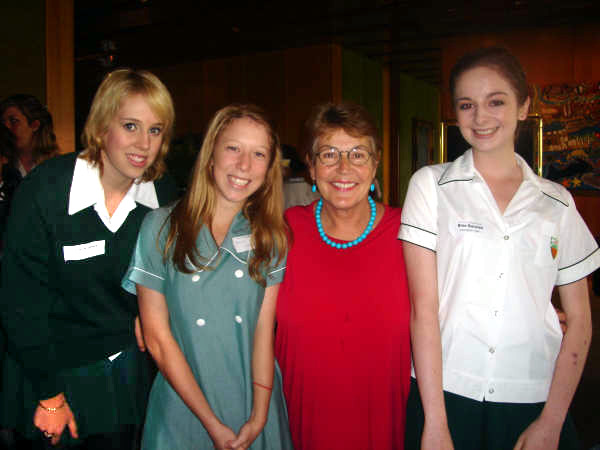

Career and achievements
Reddy relocated to the United States, where she enjoyed commercial success: she placed fifteen singles in the Top 40 on the American charts and became a regular presence on radio and variety television. These chart feats are often noted in discussions of Billboard performance and the era's pop landscape; several of her singles reached high positions on the Hot 100. Her recording of "I Am Woman" won a major award and remains her signature song.
Style, themes and legacy
Reddy's singing style combined pop, soft rock and adult contemporary elements, with clear phrasing and a direct delivery that suited both radio singles and live performance. Lyrically, some of her most enduring work addressed personal strength and emotional resilience, and critics and historians often credit her music with helping to mainstream feminist ideas in popular culture. Her influence is cited by later singers and by commentators on 1970s social history.
Notable recordings and awards
- "I Am Woman" — cultural breakthrough and award-winning recording
- "Angie Baby" — a Top 40 pop single noted for storytelling lyrics
- "No Way to Treat a Lady" — another of her well-known hits
She received industry honors during her peak years, including a major vocal performance award that underscored her prominence in early-1970s popular music.
Later life and death
After decades in music and occasional acting roles, Reddy reduced public activity but remained a recognized figure in the histories of pop music and feminist culture. She died in late September 2020 in Los Angeles, California, from complications related to dementia. Her passing prompted obituaries and retrospectives that reassessed her contribution to music and social change.
Further reading
- Contemporary accounts of chart performance and broadcasts
- Retrospectives on music and gender in the 1970s
- Selected discographies and filmographies for performance context
Related articles
Author
AlegsaOnline.com Helen Reddy (1941–2020): Australian singer, actress and songwriter Leandro Alegsa
URL: https://en.alegsaonline.com/art/120477
Sources
- oldies.com : "Helen Reddy"
- aso.gov.au : "'I am Woman' on australianscreen online"
- smh.com.au : Trailblazing Australian singer Helen Reddy dead at 78