
Hans von Bülow: German pianist and conductor of the 19th century
Hans von Bülow (1830–1894) was a leading German pianist and conductor celebrated for his performances, exacting standards, and close association with the music of Richard Wagner and Johannes Brahms.
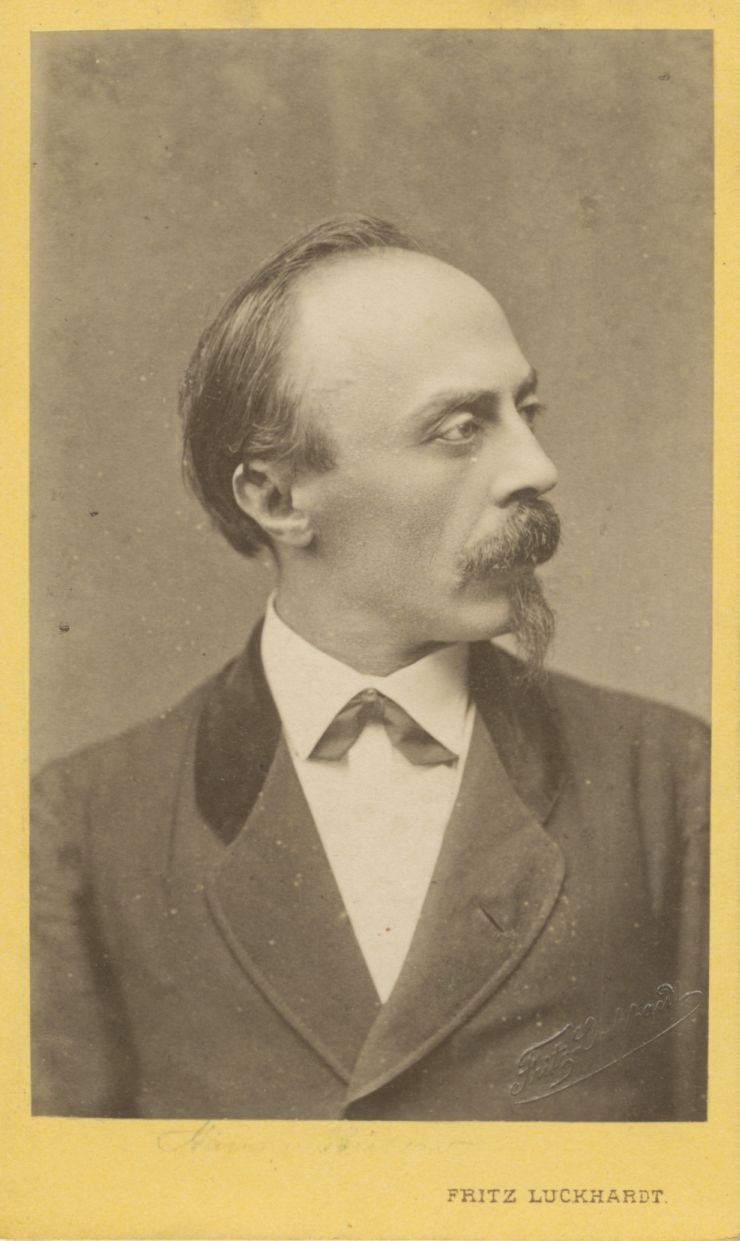
Hans von Bülow (born Dresden, 8 January 1830; died Cairo, 12 February 1894) was a German pianist and conductor who became one of the most prominent musical figures of the late 19th century. Trained in the Romantic piano tradition and active as a conductor in major German musical centers, he is especially remembered for his advocacy of the operas and orchestral music of Richard Wagner.
Image gallery
3 Images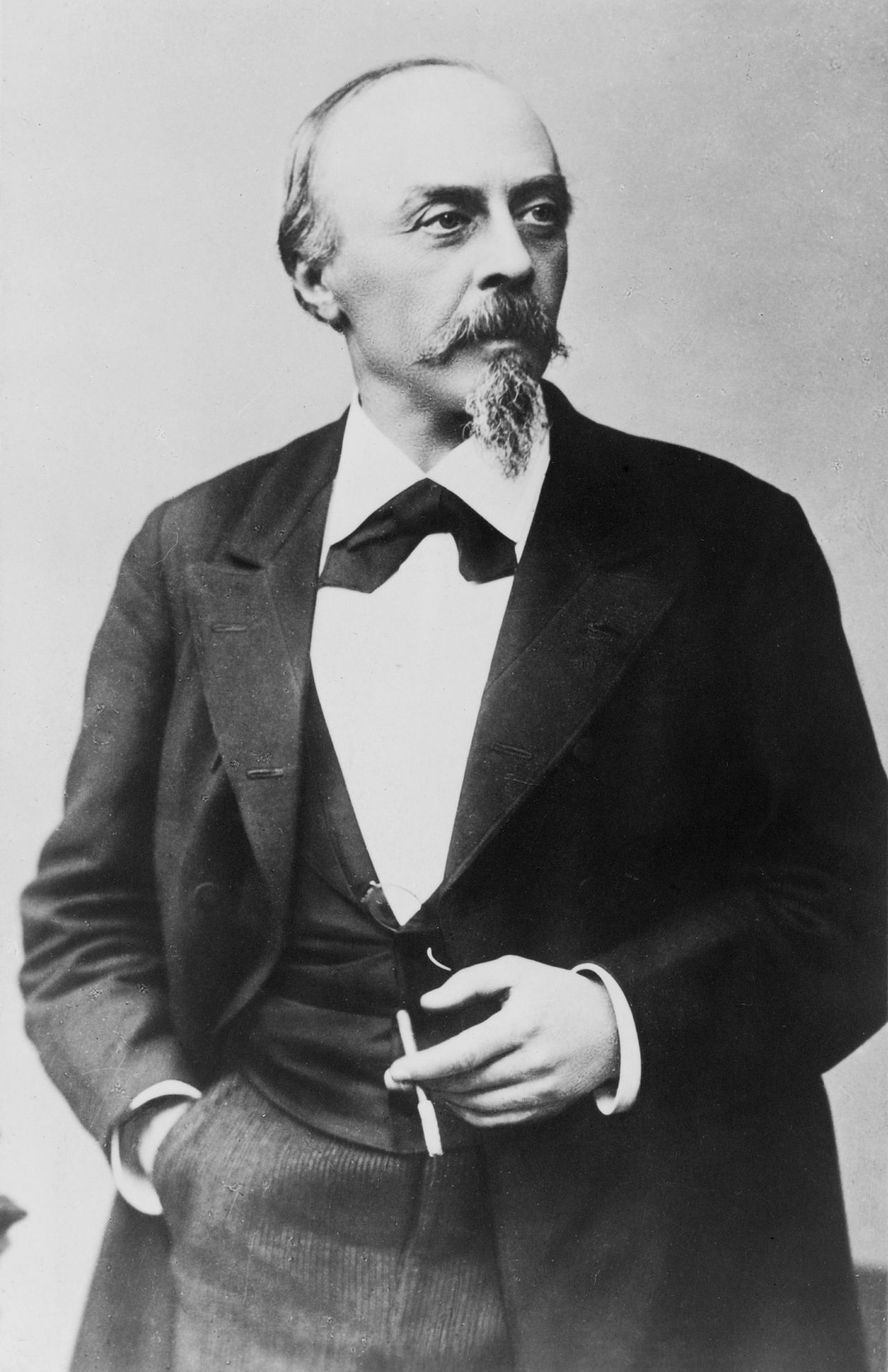

Career and musical activity
Von Bülow enjoyed dual careers as a virtuoso pianist and as a conductor. As a performer he attracted attention for technical command and clarity of expression; as a conductor he developed rigorous rehearsal methods, precise beat patterns and a pronounced emphasis on fidelity to the score. He worked at several important institutions and helped to raise orchestral standards and concert practice in his day. He is widely cited as a formative figure in the evolution of modern conducting as a distinct profession (conductor).
Repertoire and associations
Von Bülow championed a range of repertoire, but he is most closely connected with the music of Wagner and with the early recognition of Johannes Brahms. His interpretations of Wagnerian stage works and his promotion of large-scale orchestral pieces earned him a lasting reputation among audiences and musicians. His public identity combined the roles of performer and musical advocate: he remained a celebrated pianist while shaping how orchestral music was rehearsed and presented in concert life of the 19th century.
Personal life and notable events
Von Bülow's personal life intersected with major musical personalities of his time. He was a pupil of Franz Liszt and married Liszt's daughter Cosima; that marriage later ended when she formed a lasting partnership with Richard Wagner. Despite personal difficulties, von Bülow continued his professional work and maintained a high public profile as both soloist and conductor.
Contributions and legacy
- Raised standards of rehearsal technique and orchestral precision.
- Advanced the prominence of Wagner and supported contemporary composers.
- Demonstrated a model of the modern musician who combined solo performance with conducting and musical direction.
Today von Bülow is remembered as an influential bridge between the virtuosic piano tradition and the emerging modern orchestra. His career illustrates the close personal and artistic networks of the Romantic era and the changing role of the conductor in public musical life. For more contextual information and archival materials, consult specialized music histories and collections (operas, birthplace, death, conducting, piano, 19th-century, Wagner).
Questions and answers
Q: Who was Hans von Bülow?
A: Hans von Bülow was a German conductor and pianist.
Q: When and where was Hans von Bülow born?
A: Hans von Bülow was born in Dresden on January 8, 1830.
Q: When did Hans von Bülow die?
A: Hans von Bülow died in Cairo on February 12, 1894.
Q: What made Hans von Bülow famous?
A: Hans von Bülow was famous for his conducting of the operas of Richard Wagner, as well as for his piano playing.
Q: Was Hans von Bülow one of the most famous conductors of the 19th century?
A: Yes, Hans von Bülow was one of the most famous conductors of the 19th century.
Q: Was Hans von Bülow only known for his conducting?
A: No, Hans von Bülow was also a famous pianist.
Q: What is Hans von Bülow's lasting legacy?
A: Hans von Bülow is remembered for his contributions to music, especially his conducting of the operas of Richard Wagner.
Related articles
Author
AlegsaOnline.com Hans von Bülow: German pianist and conductor of the 19th century Leandro Alegsa
URL: https://en.alegsaonline.com/art/120304