
Habib Bourguiba: Tunisia's First President and Modernizing Reformer
Habib Bourguiba (1903–2000) was a Tunisian lawyer and political leader who guided Tunisia to independence, served as its first president (1957–1987) and implemented major secular and social reforms.
Overview
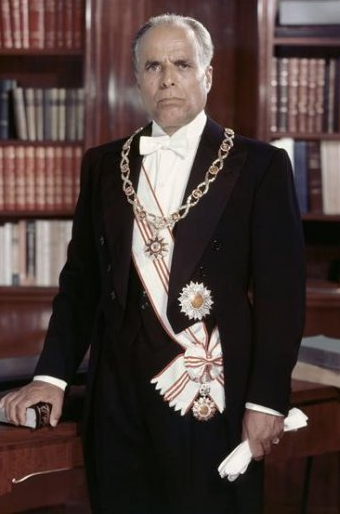
Habib Bourguiba (3 August 1903 – 6 April 2000) was a Tunisian lawyer, nationalist politician and statesman who became the central figure of modern Tunisia’s founding era. He led the movement for independence from colonial rule, served as head of government at the end of the protectorate period and became the country’s first president when the republic was proclaimed in 1957. He is widely remembered for ambitious modernization programs and for shaping Tunisia’s political trajectory in the mid‑20th century.
Image gallery
10 Images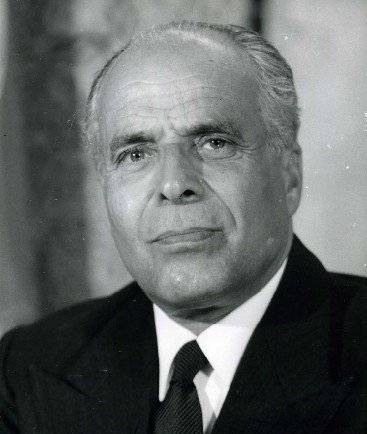



Early life and political rise
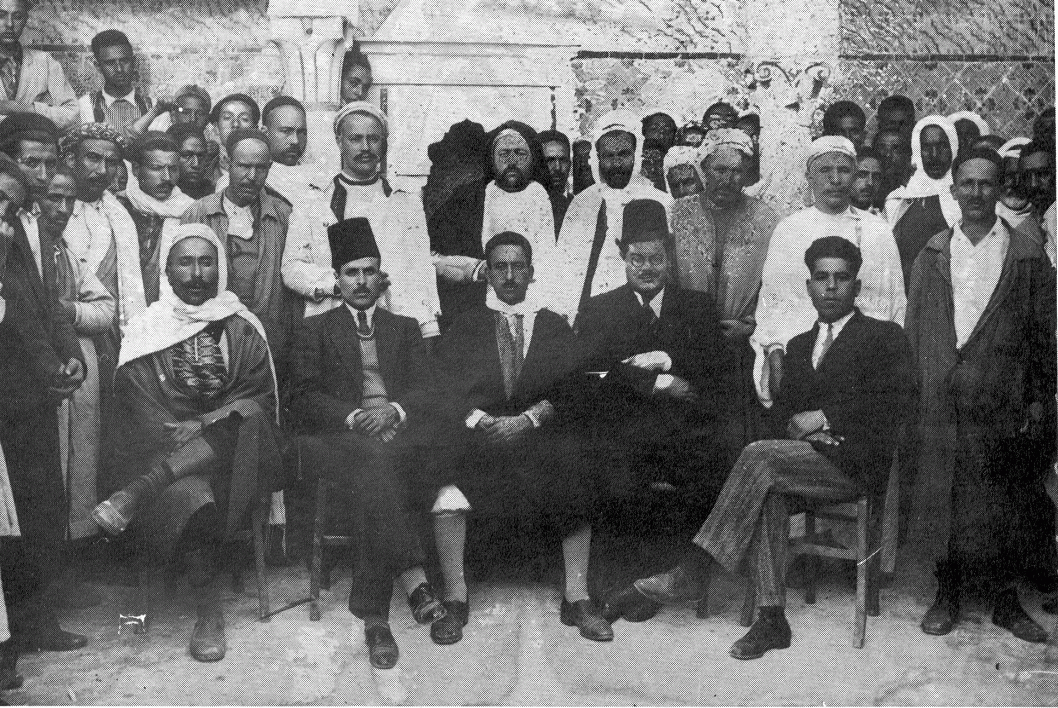
Bourguiba trained as a lawyer and spent time in France for his studies, an experience that influenced his outlook on law, governance and secular institutions. He was active in nationalist politics and was a leading figure in the party that advocated Tunisia’s liberation from colonial control. His leadership during the negotiations and political struggle that ended the protectorate earned him prominent status in the newly independent state.
Key reforms and policies
As head of government and then president, Bourguiba pursued policies intended to modernize society and strengthen the state. Important initiatives included reforms to family law, expanded public education and campaigns to improve public health and literacy. A signature achievement often cited by scholars is the 1956 family code which reformed marriage, divorce and women’s legal status. His administration emphasized secular law and centralized planning to accelerate economic and social development.
Rule and governance
Bourguiba consolidated power over decades, shaping political institutions and public life. He promoted a strong presidential role, and political opposition was limited as parties and dissent faced restrictions. In 1975 a national referendum extended his authority in ways critics described as personalist rule. He remained a dominant figure until his removal from office in 1987 on grounds of incapacity; his successor assumed leadership in a peaceful transfer orchestrated within state institutions.
Legacy and significance
Historians and Tunisian citizens view Bourguiba’s legacy as mixed. Supporters credit him with laying the foundations of a modern, secular state, advancing women’s rights and expanding education and health services. Critics point to growing authoritarianism, restrictions on political pluralism and an overcentralized system. His life and work are frequently discussed in studies of North African decolonization and post‑colonial state building.
- Arabic name and spelling
- Tunisia as the country he led
- Legal education and profession
- Nationalist leadership and statesmanship
- Prime Minister at the end of the protectorate
- First President of the Tunisian Republic
- Negotiations with France that concluded the protectorate era
For further reading, consult biographies and scholarly accounts that examine both his reformist programs and the political limits of his long tenure in power.
Related articles
Author
AlegsaOnline.com Habib Bourguiba: Tunisia's First President and Modernizing Reformer Leandro Alegsa
URL: https://en.alegsaonline.com/art/120197
Sources
- books.google.com : New African