
Gudrun Burwitz (née Himmler)
Gudrun Burwitz (1929–2018), daughter of Heinrich Himmler, was a lifelong defender of her father who supported organizations aiding former SS members and remained involved with postwar far‑right networks.
Overview
Gudrun Margarete Elfriede Emma Anna Burwitz (born Himmler; 8 August 1929 – 24 May 2018) was a German figure known for her unwavering defense of her father, Heinrich Himmler, and for her long-term association with groups that assisted former SS personnel. Born in Munich, she became a public and private presence in debates about memory, accountability, and the postwar fates of those involved in Nazi institutions.
Image gallery
2 Images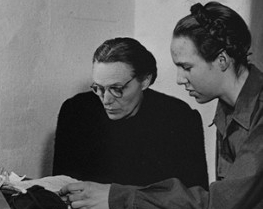

Early life and immediate postwar period
Burwitz grew up during the Nazi era as the daughter of one of the regime's principal leaders. In the chaotic months after Germany's defeat, like many children of prominent figures, she and her family were subject to Allied scrutiny. In the decades that followed she repeatedly sought to protect her father's reputation and to offer practical and moral support to people from his circle.
Activities and affiliations
Rather than pursuing a private life wholly removed from politics, Burwitz became involved with organizations and networks that provided legal, financial or material assistance to former members of the SS and other convicted or suspected Nazi personnel. She was closely associated with groups often described in the press and scholarly literature as part of the broader neo-Nazi milieu, and she remained a known contact for support networks for ex-SS members well into the late 20th and early 21st centuries.
Controversy and public response
Her activism and public statements generated sustained controversy. Historians, survivors' organizations and many journalists criticized efforts to rehabilitate or minimize the crimes of the Nazi leadership. Supporters portrayed her work as assistance to survivors and families of prosecuted individuals; critics argued it impeded historical accountability and public remembrance of victims.
Legacy
Gudrun Burwitz's life highlights tensions in postwar German society over memory, justice and the networks that sustained former perpetrators. Her death on 24 May 2018 at her home near Munich was reported a month later, and her long-standing role as a guardian of her father's legacy continues to be cited in discussions about the persistence of far‑right sympathies and the informal structures that backed them.
Key points
- Born in Munich in 1929; daughter of Heinrich Himmler.
- Known for defending her father's reputation and assisting former SS members.
- Linked to organizations and networks often described as part of postwar far‑right activity.
- Her involvement has been the subject of public scrutiny and scholarly attention.
Related articles
Author
AlegsaOnline.com Gudrun Burwitz (née Himmler) Leandro Alegsa
URL: https://en.alegsaonline.com/art/120091