
Gro Harlem Brundtland: Norwegian physician, leader in public health and sustainable development
Norwegian physician and Labour Party politician who served as Norway’s first female prime minister, chaired the Brundtland Commission on sustainable development and led the WHO.

Overview
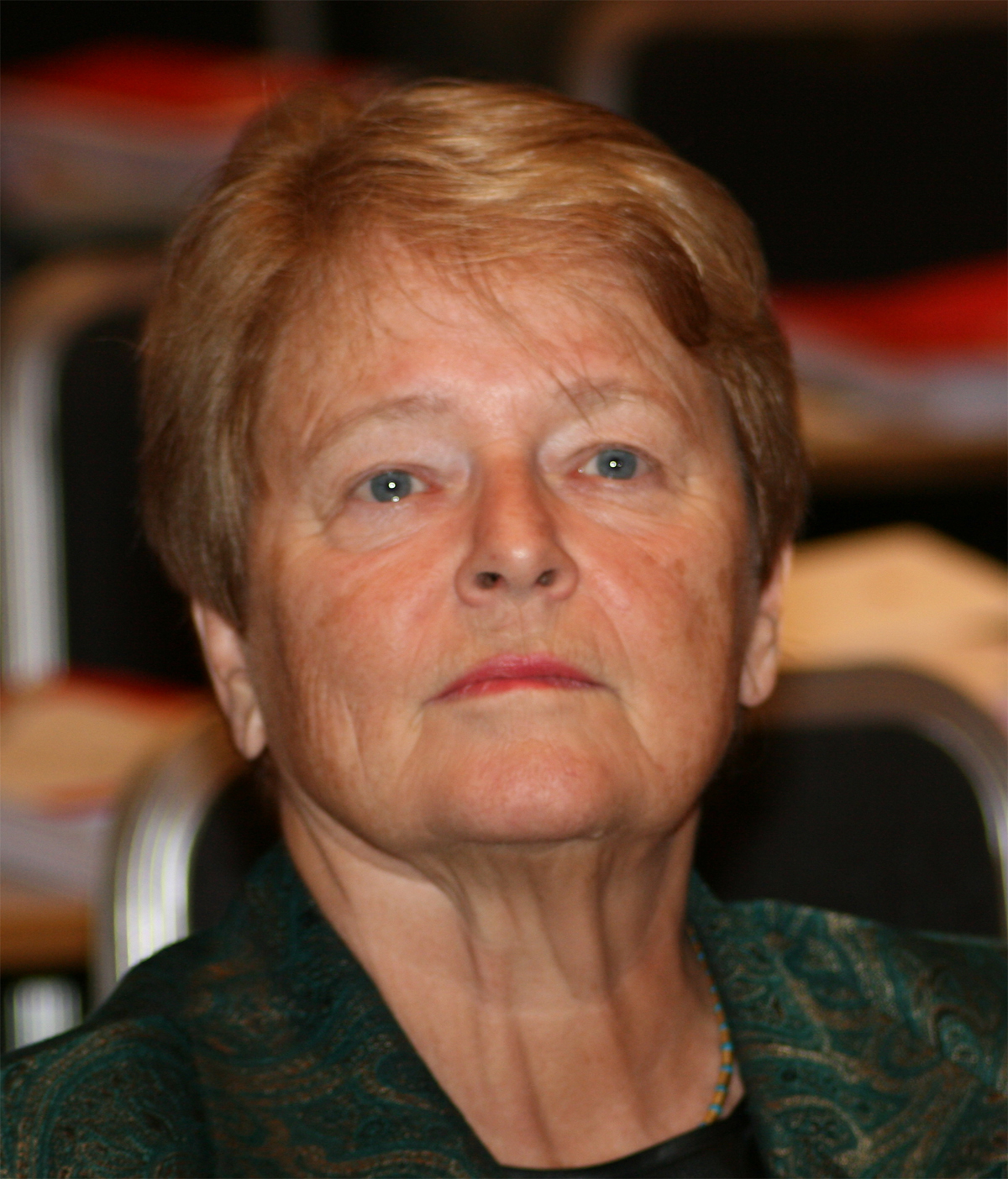
Gro Harlem Brundtland (pronounced /gru hɑɭɛm brʉntlɑn/; born 20 April 1939) is a Norwegian physician, politician and diplomat. She is best known for bringing public health and environmental concerns into international policy, serving as Norway's first female prime minister and later as Director‑General of the World Health Organization. Her career spans national government, United Nations commissions and global advocacy on sustainable development and climate change.
Image gallery
4 Images


Early life and medical career
Trained as a medical doctor, Brundtland combined clinical practice with public service early in her career. Her medical background shaped a lifelong emphasis on preventive health, health systems and the social determinants of disease. These priorities later influenced her public policy agenda at the national and international levels.
Political leadership in Norway
Brundtland rose to prominence in the Norwegian Labour Party and became prime minister on three occasions in the 1980s and 1990s, marking a major milestone for women in Norwegian politics. During her time in office she focused on welfare policy, environmental regulation and international cooperation. She also played a prominent role in shaping Norway’s modern social and health policies.
Brundtland Commission and sustainable development
From 1983 to 1987 she chaired the World Commission on Environment and Development, commonly known as the Brundtland Commission. Its 1987 report popularized the term sustainable development and linked environmental protection with economic and social equity. The commission’s work became a reference point for later multilateral agreements and national strategies on sustainable growth and resource management.
World Health Organization and global public health
Brundtland served as Director‑General of the World Health Organization from 1998 to 2003, where she emphasized communicable disease control, tobacco reduction and health system strengthening. Her WHO tenure is credited with reinvigorating the agency’s focus on practical public health measures and partnerships across governments and civil society.
Later roles and legacy
After leaving WHO, she continued to advise on climate and development issues. In 2007 she was appointed a United Nations Special Envoy for Climate Change, working with the Secretary‑General to raise political attention and mobilize action. Her influence is visible across contemporary debates that connect health, environment and sustainable economic policies.
Notable facts and impact
- She brought medical perspectives to high‑level policymaking and international diplomacy (physician, public health).
- The Brundtland Commission helped establish the modern agenda for sustainable development.
- She has held senior roles in national government (Prime Minister) and international institutions (WHO).
- In 2007 she became a UN Special Envoy for Climate Change, working with the UN Secretary‑General and engaging with leaders such as Ban Ki‑moon.
Brundtland's career is often studied as an example of how professional expertise in medicine can translate into sustained influence on global policy, bridging health, environment and development agendas.
Questions and answers
Q: Who is Gro Harlem Brundtland?
A: Gro Harlem Brundtland is a Norwegian politician, diplomat, and physician who is an international leader in sustainable development and public health.
Q: What positions has she held?
A: She was the former Prime Minister of Norway and the Director General of the World Health Organization. In 2007, she became a Special Envoy for Climate Change for the United Nations Secretary-General Ban Ki-moon.
Q: When was she born?
A: She was born on 20 April 1939.
Q: What is her background?
A: Gro Harlem Brundtland has a background in politics, diplomacy, and medicine. She specializes in sustainable development and public health.
Q: What did she do in 2007?
A: In 2007, she became a Special Envoy for Climate Change for the United Nations Secretary-General Ban Ki-moon.
Q: Where does Gro Harlem Brundtland work?
A: Gro Harlem Brundtland works at various organizations including the World Health Organization and the United Nations as well as other international organizations focusing on sustainable development and public health initiatives.
Q: What kind of leader is she? A: Gro Harlem Brundtland is an international leader in sustainable development and public health initiatives.
Related articles
Author
AlegsaOnline.com Gro Harlem Brundtland: Norwegian physician, leader in public health and sustainable development Leandro Alegsa
URL: https://en.alegsaonline.com/art/120084
Sources
- time.com : "U.N. Envoys Seek Input on Climate Change"