
Gilda Radner: Life, Career, and Legacy of a Pioneering Comic
Overview of Gilda Radner, original Saturday Night Live cast member, her characters, awards, battle with ovarian cancer, and lasting influence on comedy and cancer support.
Gilda Radner was an American actress and comedian best known as one of the original performers on Saturday Night Live. Born in Detroit, Michigan, she rose quickly through improvisational theatre into national television, bringing to life several comic personas that became part of late‑20th century popular culture. Her work earned critical recognition, including an Emmy Award for her contributions to television comedy.
Image gallery
6 Images


Early life and training
Radner studied and performed in theater and comedy groups in the Midwest before moving to New York. Her early training in improvisation and sketch work provided the foundation for her distinctive approach: an ability to combine tightly observed character detail with an infectious, physical sense of timing. Those skills led to opportunities in stage revues and comedy ensembles that fed into television writing rooms and sketch shows.
Saturday Night Live and comic characters
As a member of the first cast of the NBC program, Radner created memorable recurring characters and short pieces that mixed satire, absurdism, and vulnerability. Her repertoire included famously outspoken or confused figures whose catchphrases and misreadings of current events endeared her to audiences. Highlights of her SNL era included sketches that displayed her gift for impersonation, rapid improvisation, and an uncanny ability to inhabit a role.
- Signature characters showcased her range and timing, from exasperated commentators to childlike fantasists.
- Her performances combined written material with spontaneous reactions, making many sketches feel immediate and lived‑in.
Beyond television she appeared in films and stage work, and collaborated with other comedians of her generation. She was married to actor Gene Wilder, a partnership that was widely covered and later played a role in preserving her memory.
Illness, death, and legacy
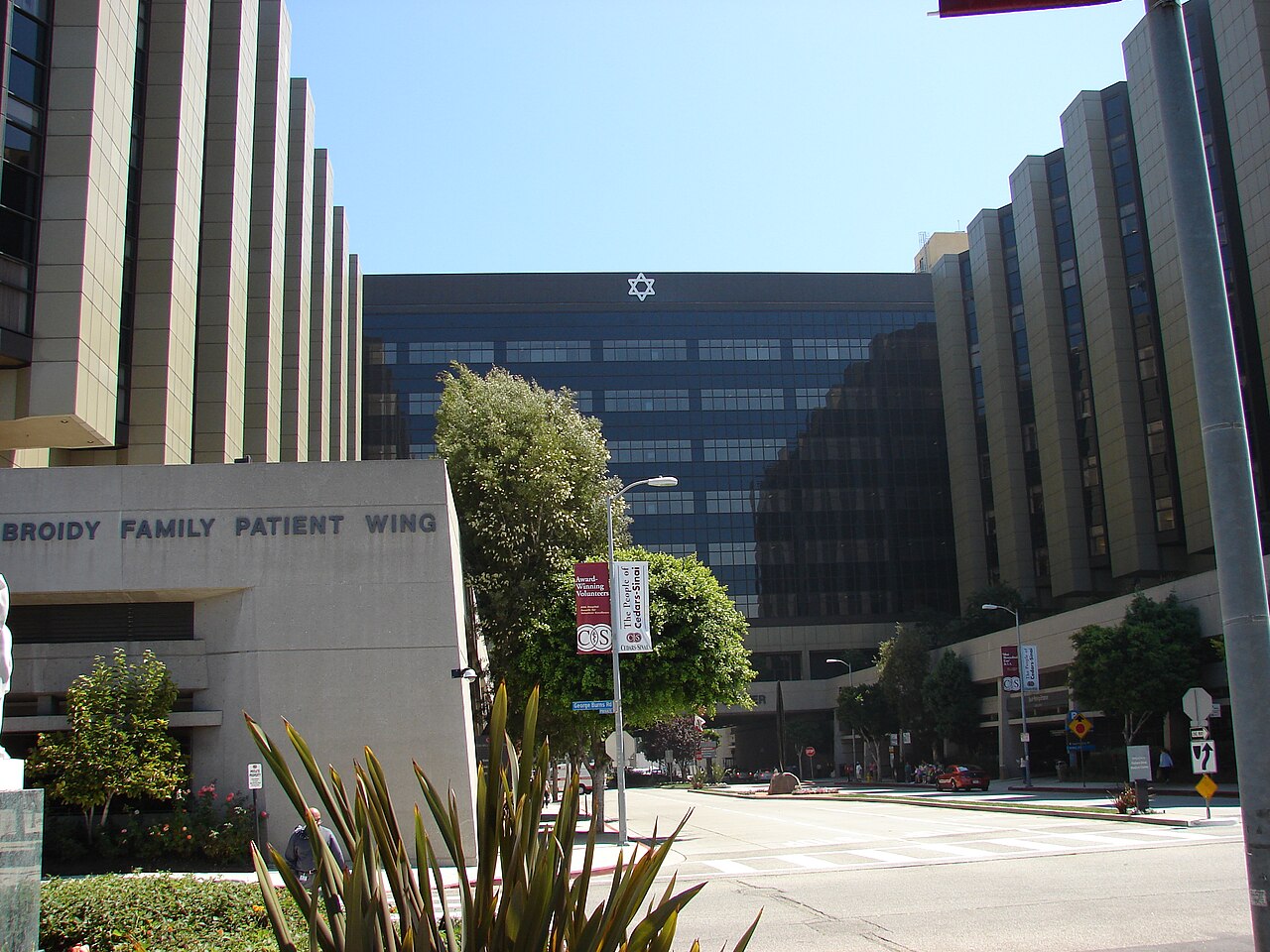
Radner died of ovarian cancer in Los Angeles, California. Her illness and death drew attention to the disease at a time when awareness was more limited, and her name became associated with support for people affected by cancer: efforts inspired by her life grew into organizations and programs offering community and advocacy. Her influence on later generations of female comedians is widely acknowledged: many point to her work as opening space for more emotionally honest, character‑driven female comedy on stage and screen.
Radner remains notable both for the warmth and precision of her comic voice and for the cultural afterlife of her career: recurring TV characters that entered the popular lexicon, a posthumous interest in her writing and interviews, and an ongoing recognition of her role in shaping modern sketch comedy.
For more information about aspects of her career and life, see resources on television comedy history and biographies of the original SNL ensemble, which place her contributions in a broader cultural context.
Related articles
Author
AlegsaOnline.com Gilda Radner: Life, Career, and Legacy of a Pioneering Comic Leandro Alegsa
URL: https://en.alegsaonline.com/art/119798