
Giannino Castiglioni: Italian sculptor, architect, and urban planner
Giannino Castiglioni (1884–1971) was an Italian sculptor, painter, architect and urbanist known for figurative public monuments, funerary art and a 1951 master plan for Lierna on Lake Como.
Giannino Castiglioni (4 August 1884 – 27 August 1971) was an Italian creative practitioner who worked across sculpture, painting and the built environment. Trained at the Accademia di Brera, he combined training in fine art with practical design skills and is often described as an architect and urbanist as well as a sculptor. His career spanned much of the 20th century and included commissions for public monuments, commemorative and funerary sculpture, architectural ornament and town planning.
Image gallery
9 Images


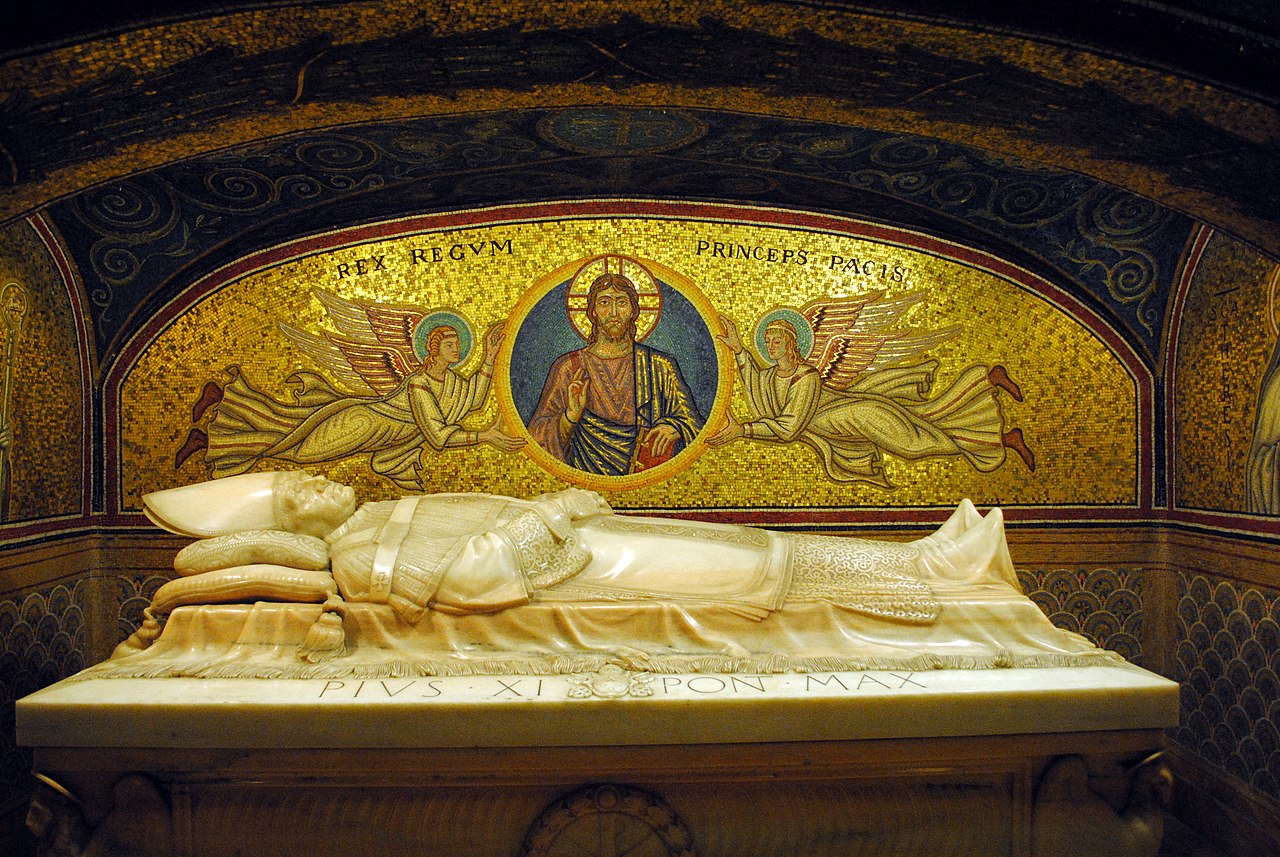


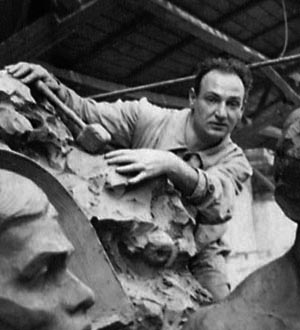

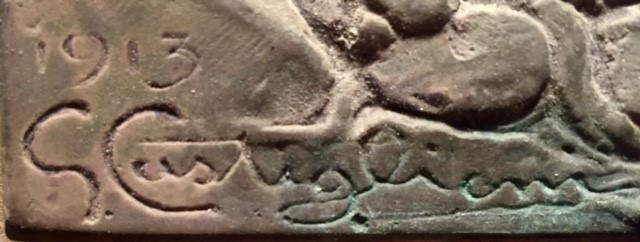
Artistic approach and materials
Castiglioni worked in a broadly representational manner: figures and reliefs are rendered with a clear figurative language rather than abstraction. He executed work in traditional materials such as bronze and stone, and also produced medals and portrait reliefs that show attention to anatomy, gesture and surface finish. His training in Milan informed a craftsmanship that balanced sculptural modelling with concerns for siting and architectural context.
Training and influences
Born and educated in Milan, Castiglioni completed his studies at the Accademia di Brera in the early 20th century. The Brera environment exposed him to academic figure study, restoration practice and contemporary debates about public art. While he remained broadly conservative in form compared with avant‑garde movements of his time, he absorbed lessons about composition and urban presence that later shaped his built projects.
Lierna and Lake Como
From the early 1900s Castiglioni lived and worked for long periods in Lierna, a small town on Lake Como. His attachment to the locality culminated in 1951 when he drew up a master plan for the town centre: the scheme included a redesigned square and several individual buildings intended to harmonize contemporary needs with the historic lakeside character. This combination of sculptural sensibility and planning practice is a notable feature of his later career.
Works, themes and legacy
Castiglioni’s output includes public monuments, memorials, portrait busts and architectural sculpture. Rather than pursuing radical stylistic experiments, he focused on clarity of form, legibility for viewers in public spaces and technical excellence. His work contributed to civic identity in northern Italy and influenced how sculpture was integrated into architecture and urban projects in the mid‑20th century.
- Disciplines: sculpture, painting, medallic art, architectural design, urban planning.
- Style: figurative, naturalistic, site‑sensitive.
- Notable activity: long association with Lierna and a 1951 master plan for the town square and buildings.
For more detailed studies of his monuments, medals and civic projects consult specialised catalogues and regional archives that document commissions and locations. Further reading and archival references can be found through museum records and local historical societies in Milan and the Lake Como area.
Questions and answers
Q: Who was Giannino Castiglioni?
A: Giannino Castiglioni was an Italian architect, urbanist, painter, and sculptor.
Q: What was Giannino Castiglioni's style?
A: Giannino Castiglioni's style was representational.
Q: Where was Giannino Castiglioni born?
A: Giannino Castiglioni was born in Milan, Italy.
Q: Where did Giannino Castiglioni primarily live and work?
A: Giannino Castiglioni primarily lived and worked in Lierna, a town on Lake Como, Italy.
Q: When did Giannino Castiglioni finish his studies at the Accademia di Brera?
A: Giannino Castiglioni finished his studies at the Accademia di Brera in 1906.
Q: What did Giannino Castiglioni design in Lierna in 1951?
A: In 1951, Giannino Castiglioni designed the master plan, the square, and several individual buildings in Lierna.
Q: What is the significance of Giannino Castiglioni's contribution to Lierna?
A: Giannino Castiglioni's contribution to Lierna includes designing the master plan, the square, and several individual buildings which made a significant impact on the town's architecture and urban development.
Related articles
Author
AlegsaOnline.com Giannino Castiglioni: Italian sculptor, architect, and urban planner Leandro Alegsa
URL: https://en.alegsaonline.com/art/119779
Sources
- lierna.net : "Giannino Castiglioni: Scultore, medaglista e pittore"
- msacerdoti.it : "Castiglioni senior, il maestro della scultura Monumentale"