
Gianni Rivera: Italian footballer and public figure
Gianni Rivera, born 18 August 1943, is an Italian former attacking midfielder and later a public figure. Widely regarded as a classic playmaker, he won major international and club honours and later entered politics.
Gianni Rivera (born 18 August 1943) is an Italian former footballer and later a public figure who also pursued a career as a politician. During his playing years he was best known as an attacking midfielder, celebrated for creativity, technical skill and vision. Rivera is widely remembered as one of Italy's leading playmakers of the 1960s and early 1970s.
Image gallery
9 Images
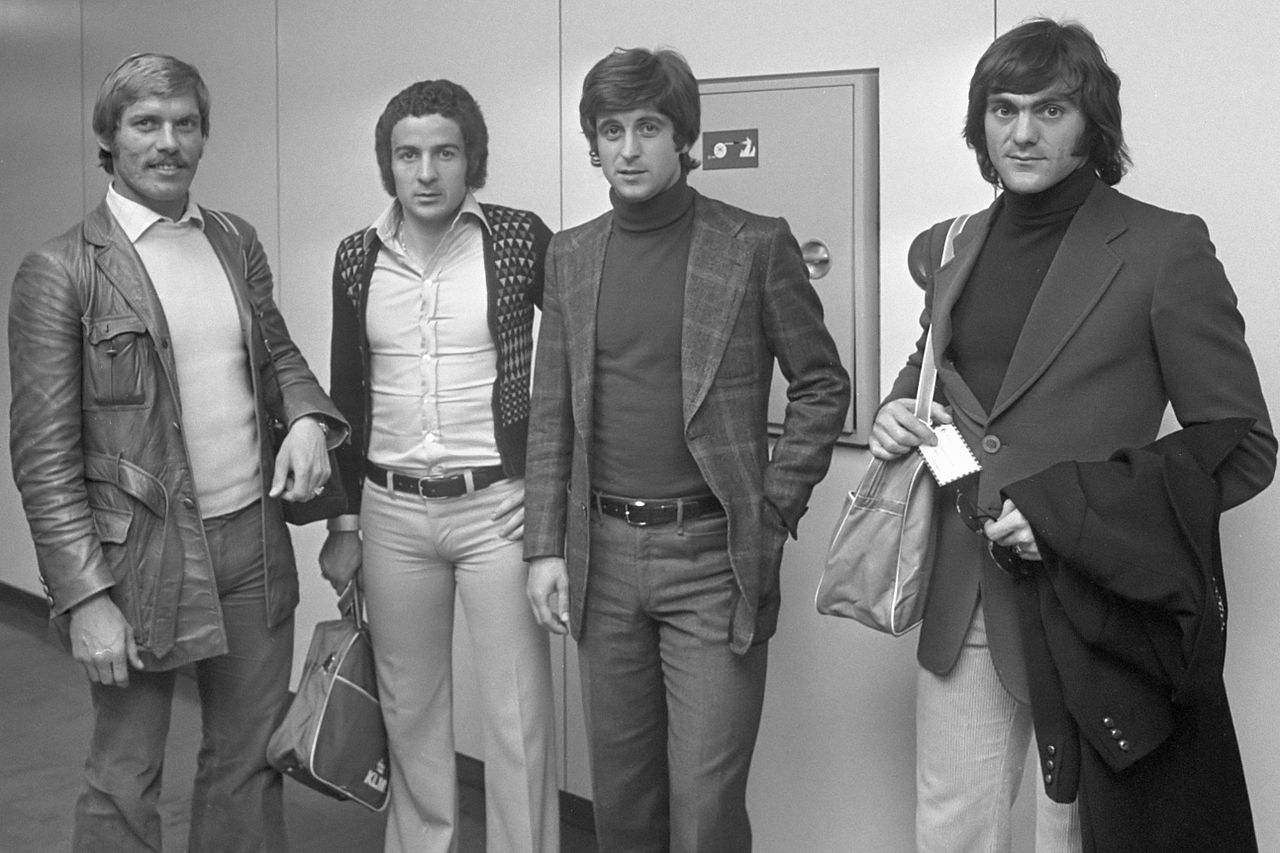


Playing profile
Rivera was admired for elegant ball control, precise passing and an ability to orchestrate attacks from midfield. As an attacking playmaker he combined dribbling, timing of passes and a reading of the game that allowed teammates to score. Contemporary accounts emphasized his intelligence on the field and his capacity to influence high-pressure matches with subtle, constructive contributions rather than purely physical attributes.
Career and achievements
Most of Rivera's club career was spent with a single top Italian side, where he became a symbol of the team and a central figure in its successes. At the international level he wore the national colours in major tournaments and contributed to some of Italy's most notable outcomes of that era. His individual quality was recognized by awards and by contemporaries across Europe.
- Major international success with Italy, including tournament honours and finals appearances.
- Key player in important club victories and domestic titles during his tenure.
- Recipient of prominent individual recognition for best players in Europe, reflecting his status among the elite of his generation.
Later life and legacy
After retiring from playing, Rivera moved into public life. He took on roles beyond sport, including involvement in political life and representation in elected or appointed positions, as well as participation in sporting administration and public events. His career path from celebrated athlete to public figure is often cited as an example of a sportsman transitioning into civic engagement.
Rivera's legacy endures in how playmakers are valued in Italy and beyond: he helped define the creative midfield role for generations, and is frequently invoked in discussions of classic no.10 players. For further details about his life, career milestones and later work see specialist biographies and historical overviews of Italian football.
References and further reading are available from authoritative sports histories and archives; for general background consult dedicated profiles and retrospectives that cover both his athletic achievements and his subsequent public service.
Related articles
Author
AlegsaOnline.com Gianni Rivera: Italian footballer and public figure Leandro Alegsa
URL: https://en.alegsaonline.com/art/119783
Sources
- national-football-teams.com : "Gianni Rivera"
- rsssf.com : "Gianni Rivera - Goals in International Matches"