
Gideon Mantell: pioneer of early dinosaur science and Sussex geology
Gideon Mantell (1790–1852) was an English obstetrician and amateur geologist whose discovery and study of Iguanodon remains helped establish the scientific study of dinosaurs.
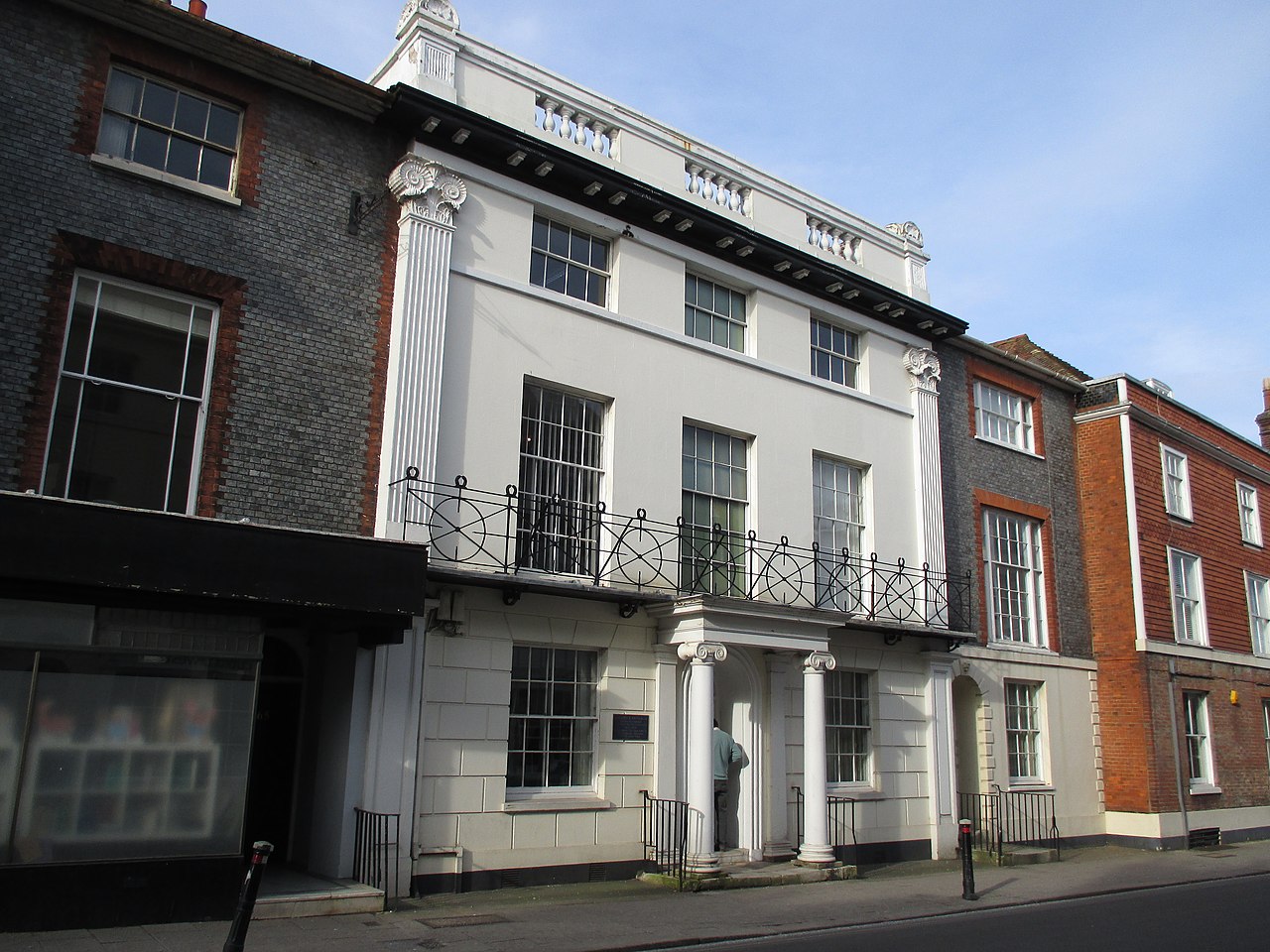
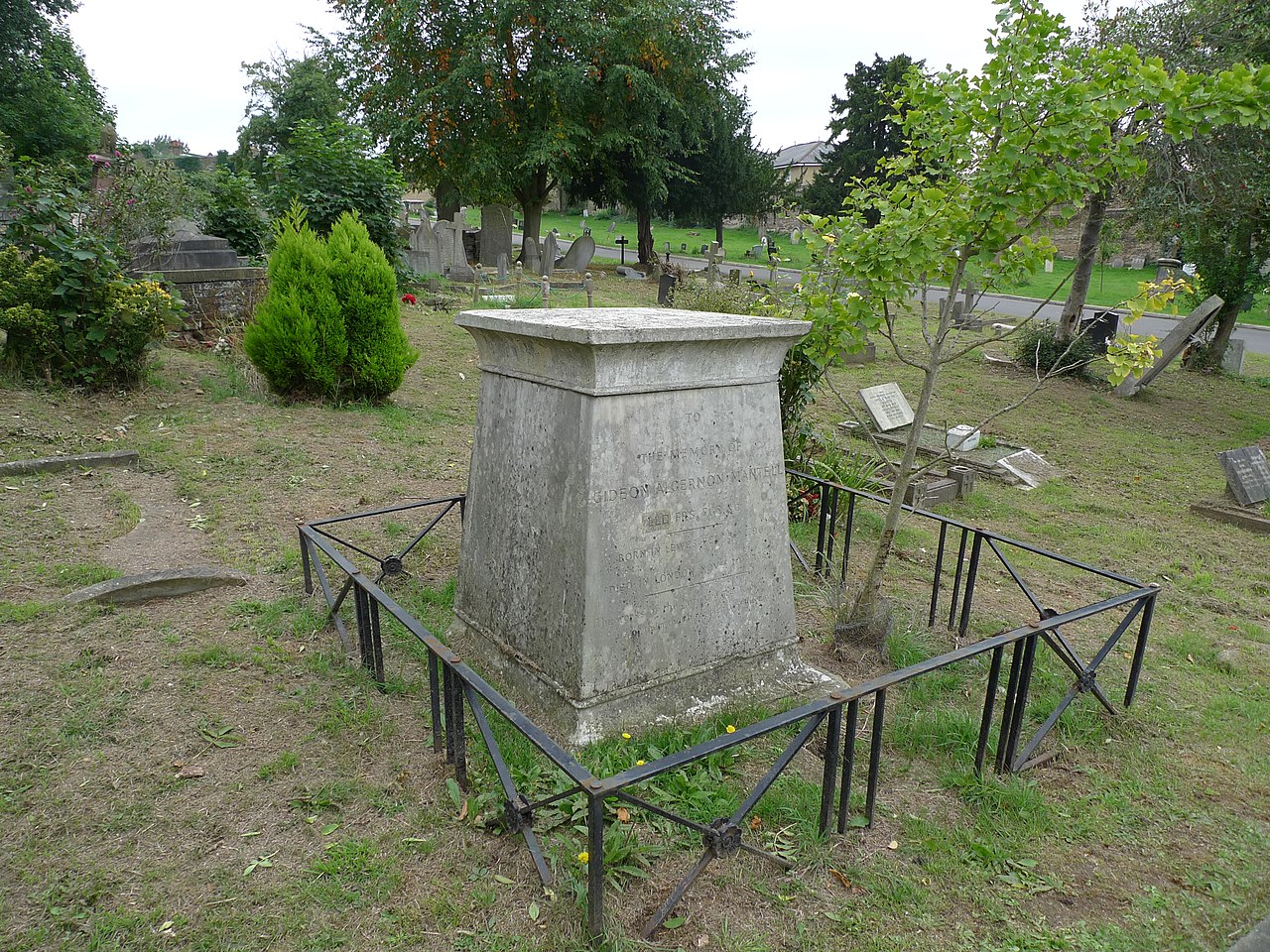
Gideon Algernon Mantell (born in Lewes on 3 February 1790 — died in London on 10 November 1852) combined a medical career with intense fossil collecting and geological study. Trained as an obstetrician, he is better known to science as a field geologist and palaeontologist who brought the first convincing evidence of large herbivorous reptiles from southern England to the attention of naturalists. His work helped shift ideas about deep time and the diversity of prehistoric life.
Image gallery
7 Images


Major discoveries and scientific contributions
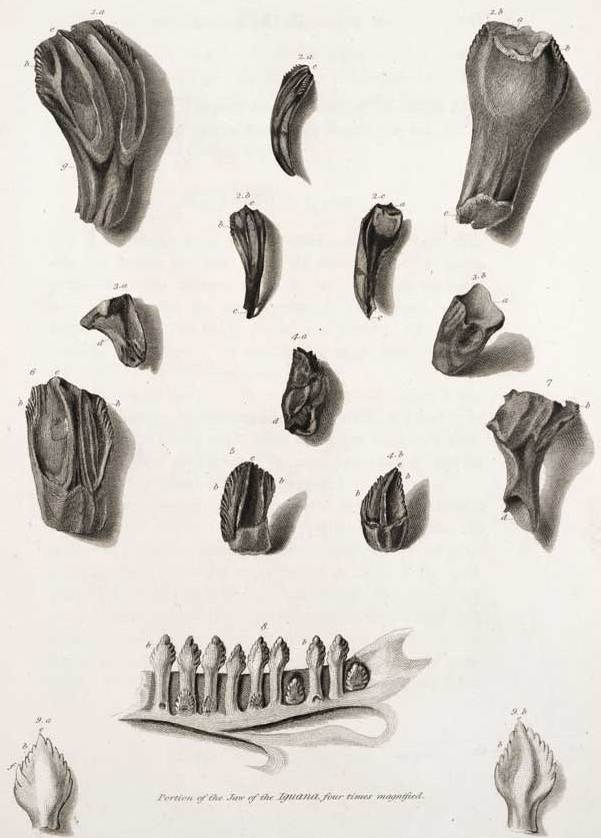
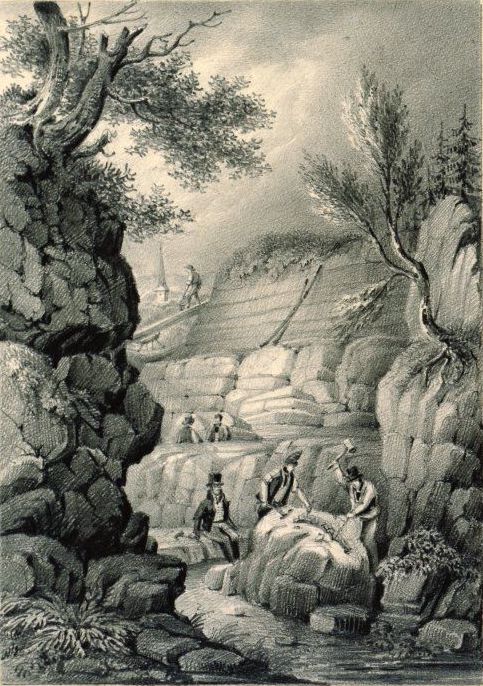
Mantell's most notable finds concerned remains later attributed to Iguanodon. In 1822 he identified distinctive fossil teeth recovered from exposures of the Wealden strata and continued to collect additional material that eventually included parts of a more complete skeleton. He interpreted the tooth shape as evidence that the animal was a herbivore and argued from limb proportions that it could adopt an upright, bipedal posture. These conclusions were influential because they presented a picture of prehistoric reptiles as diverse and often quite different from living forms.
Beyond individual specimens, Mantell studied the stratigraphy and fossil faunas of the southeast English coast and Weald, making important observations about the Cretaceous deposits of southern England. He used the phrase "Age of Reptiles" to describe Mesozoic eras dominated by large reptiles, anticipating later more formal divisions such as the Jurassic and Cretaceous.
Reception, rivalry, and legacy
Mantell promoted his ideas through lectures and popular books that aimed to explain geological time and fossil evidence to a broad audience. His work was not without controversy: some contemporaries, most notably Richard Owen, disagreed with his reconstructions and in later decades played a role in shaping credit for early dinosaur discoveries. Historians now recognise Mantell as one of the key figures who established dinosaurs as a distinct subject within paleontology.
Personal life, health and final years
Throughout his adult life Mantell combined practice as a physician with intensive fieldwork. A serious injury that damaged his spine left him in chronic pain for many years. He used opium to manage the discomfort; his death followed an overdose of the drug in 1852. Whether the overdose was accidental or intentional has been a matter of historical uncertainty and is generally presented cautiously in modern accounts.
Notable facts and further reading
- Mantell bridged medical practice and natural history, a common pattern among 19th-century observers who contributed to early geology and paleontology.
- His discoveries of large iguana‑like teeth were among the earliest reliable evidence used to reconstruct extinct giant reptiles.
- He published works aimed at both specialists and general readers and helped popularize the idea that the fossil record preserves long and varied episodes of life on Earth.
For biographical and contextual sources on Mantell and his finds, consult specialist histories of early paleontology and regional studies of the English Cretaceous — for example regional museum treatments and academic summaries that document his fieldwork and publications. See also entries that discuss the later reassessment of credit and the broader development of dinosaur studies in the 19th century. Links to selected overviews: national biographies, tooth and fossil descriptions, and institutional pages about the Iguanodon discoveries.
(This article uses placeholder links to guide readers to general resources: skeleton records, Cretaceous summaries, Jurassic context, and discussions of scientific rivalry such as the relationship with Owen — further reading can be found through listed museum and academic overviews.)
Questions and answers
Q: Who was Gideon Algernon Mantell?
A: Gideon Algernon Mantell was an English obstetrician, geologist and palaeontologist.
Q: What is he known for?
A: He is known for his work on the structure and life of Iguanodon which began the scientific study of dinosaurs. He also recognised that reptiles were the dominant life-form in what we now call the Jurassic and Cretaceous periods.
Q: What did he discover in 1822?
A: In 1822, he discovered and identified the first fossil teeth, as well as much of the skeleton, of Iguanodon.
Q: How did this discovery contribute to our understanding of prehistoric reptiles?
A: This discovery provided evidence of a prehistoric reptilian dinosaur dating back roughly 130 million years ago, contributing to our understanding of these creatures from long ago.
Q: What two important things did Mantell do with regards to Iguanodon?
A: Mantell showed that the teeth of Iguanodon meant it must be a herbivore, and its shorter front legs meant it could be bipedal (walk on two legs).
Q: How did Richard Owen respond to Mantell's achievements?
A: Richard Owen denied Mantell's achievements and attempted to hide them.
Q: How did Gideon Algernon Mantel die?
A:Gideon Algernon Mantel died after taking an overdose of opium due to damage caused by an accident to his spine; it is not known whether this was done deliberately or if he took opium simply to dull the pain.
Related articles
Author
AlegsaOnline.com Gideon Mantell: pioneer of early dinosaur science and Sussex geology Leandro Alegsa
URL: https://en.alegsaonline.com/art/119786