
Gerry Anderson: British producer and creator of Supermarionation-era science fiction
Gerry Anderson (1929–2012) was a British television and film producer, director and writer best known for puppet-based science fiction series such as Thunderbirds and for pioneering model and effects work.
Gerry Anderson (14 April 1929 – 26 December 2012) was a British television and film producer, director and writer who became synonymous with a distinctive era of mid-20th century science fiction. He created and produced a string of popular series that combined miniature modelling, special effects and stylised puppetry to tell action-based stories for family audiences. Anderson's work reached international audiences and continues to influence visual effects, model-making and popular culture.
Image gallery
2 Images
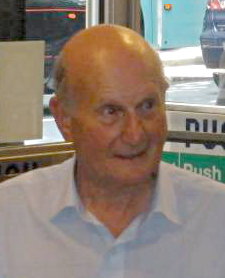
Style, techniques and collaborators
Anderson is most often linked with "Supermarionation," a production technique that used electronic lip-syncing in marionette puppets alongside detailed scale models and elaborate practical effects. His programmes are noted for their glossy, gadget-rich designs, fast-paced plotting and a balance between adult themes and child-friendly spectacle. He worked closely with designers, model-makers and puppeteers — notably Christine Glanville — and with producers and writers such as Sylvia Anderson, who also served as his creative partner and spouse for many years.
Major works
- Thunderbirds — the most widely recognised series, featuring International Rescue and its fleet of specialised craft.
- Stingray and Fireball XL5 — earlier space and underwater adventures that helped establish his visual language.
- Captain Scarlet and Joe 90 — later puppet series with darker tones and more complex narratives.
- UFO and Space: 1999 — live-action science fiction shows that expanded his output into adult-oriented television.
- Feature films — including adaptations and original pictures that carried his visual trademarks into cinemas.
Across these projects Anderson combined narrative ambition with technical experimentation. His teams created convincing miniatures and model photography long before digital visual effects became standard, and his shows introduced memorable vehicles, uniforms and logos that have become design icons.
Legacy and influence
Gerry Anderson's programmes generated devoted fan communities, inspired generations of model-makers and effects artists, and led to revivals, reboots and homages in later decades. He received public honours during his lifetime and his work is frequently cited in histories of television special effects. Elements of his aesthetic persist in contemporary sci-fi media and merchandising.
Further information
For more on Anderson's career and productions, see biographical sources and dedicated archives. Listed resources include profiles, interviews and production histories that document his methods and influence: biography, career overview, works and credits, interviews and oral histories, production studies, crew and collaborator notes, and archival collections.
He remains a central figure in British television history: an innovator whose blend of storytelling and hands-on effects left an enduring mark on the genre of televised science fiction.
Related articles
Author
AlegsaOnline.com Gerry Anderson: British producer and creator of Supermarionation-era science fiction Leandro Alegsa
URL: https://en.alegsaonline.com/art/119736
Sources
- telegraph.co.uk : "Obituary: Gerry Anderson"