
Gerrit Jan van Heuven Goedhart
Dutch journalist, politician and diplomat who served as the first United Nations High Commissioner for Refugees (1951–1956), helping to shape post‑war refugee protection and relief.
Gerrit Jan van Heuven Goedhart (19 March 1901 – 8 July 1956) was a Dutch journalist, public servant and diplomat who became the first United Nations High Commissioner for Refugees. He is remembered for leading the newly created agency during the early Cold War period and for helping establish practical mechanisms to assist millions of people displaced by World War II and its aftermath.
Image gallery
2 Images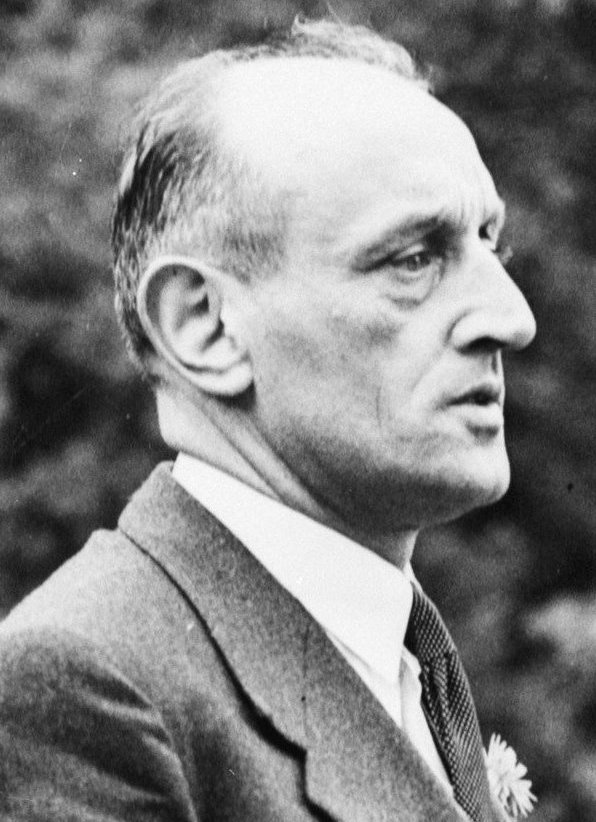

Early career and public life
Before his international appointment, Van Heuven Goedhart worked in journalism and then moved into public service and politics in the Netherlands. He was active in political and diplomatic circles and his career bridged media, government and international institutions. His background gave him experience in communication, policy and administration that proved useful when building an international organization from scratch.
Role at the United Nations
In 1951 he became the inaugural High Commissioner for Refugees at the United Nations. In that post he oversaw the agency’s early mandate to coordinate protection and durable solutions for refugees, especially in Europe. He focused on creating procedures, mobilizing resources and promoting cooperation among governments and relief organizations.
Responsibilities and achievements
- Organizing international assistance for displaced populations and stateless persons.
- Implementing policies derived from the post‑war refugee framework and the 1951 Refugee Convention.
- Establishing operational offices, staff structures and partnerships for long‑term refugee support.
Van Heuven Goedhart combined his political experience with diplomatic skills to raise the profile of refugee protection and to make the new UN office operational. He served in the role from 1951 until his death in 1956, shaping the agency’s early identity.
Distinctions: He is often cited as a founding figure in modern international refugee work. His career linked national politics (politics, politician) and international diplomacy (diplomat), underscoring how post‑war humanitarian institutions emerged from both civic and state efforts.
Related articles
Author
AlegsaOnline.com Gerrit Jan van Heuven Goedhart Leandro Alegsa
URL: https://en.alegsaonline.com/art/119734
Sources
- parlement.com : "Dr. G.J. van Heuven Goedhart"
- inghist.nl : "GOEDHART, Gerrit Jan (1901-1956)"