
United Nations High Commissioner for Refugees (UNHCR)
UN agency created in 1950 to protect and assist refugees, stateless people and displaced persons; promotes durable solutions (return, integration, resettlement) and is headquartered in Geneva, Switzerland.
Overview
The Office of the United Nations High Commissioner for Refugees (UNHCR) is the UN agency responsible for protecting and supporting refugees and other people forced to flee. Established by the United Nations General Assembly in 1950, UNHCR responds to emergencies, coordinates humanitarian assistance, and promotes durable solutions across regions. It works within the broader United Nations system and with many partners; see the UN system page at United Nations. The agency’s headquarters are in Geneva, Switzerland.
Image gallery
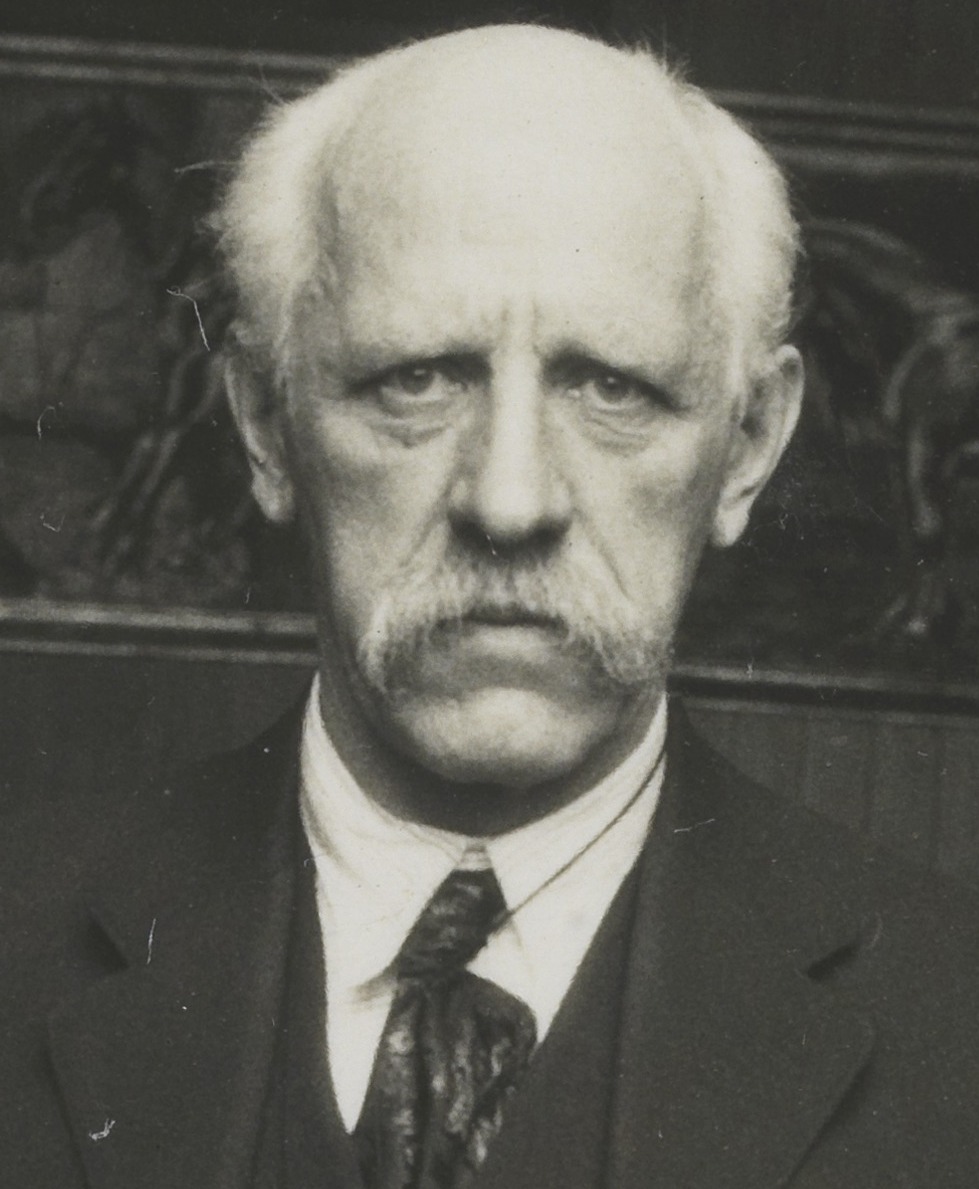
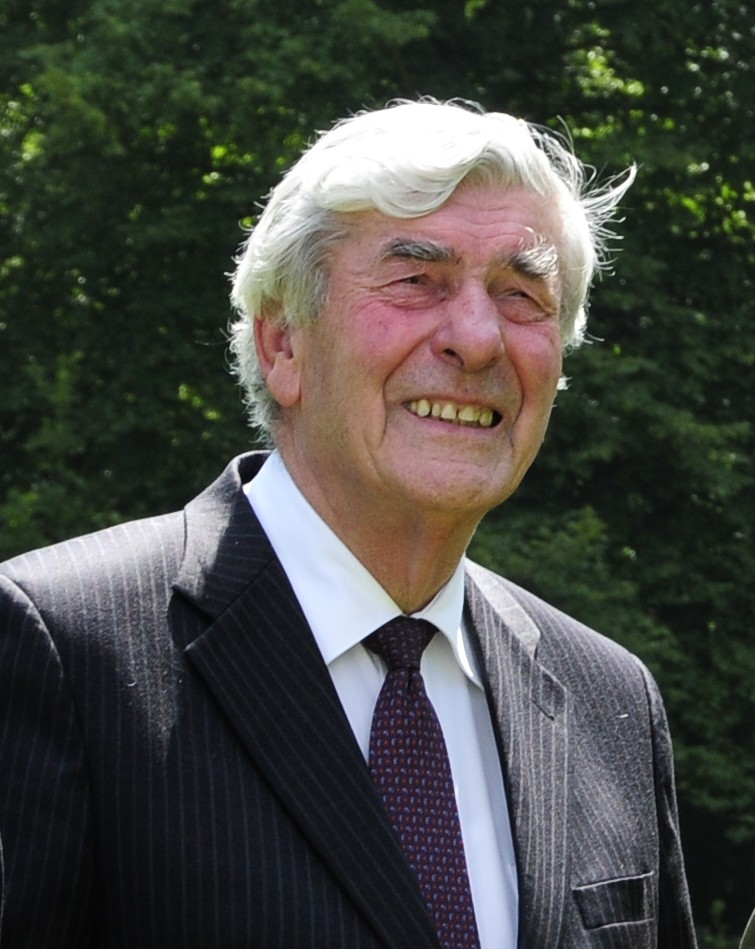
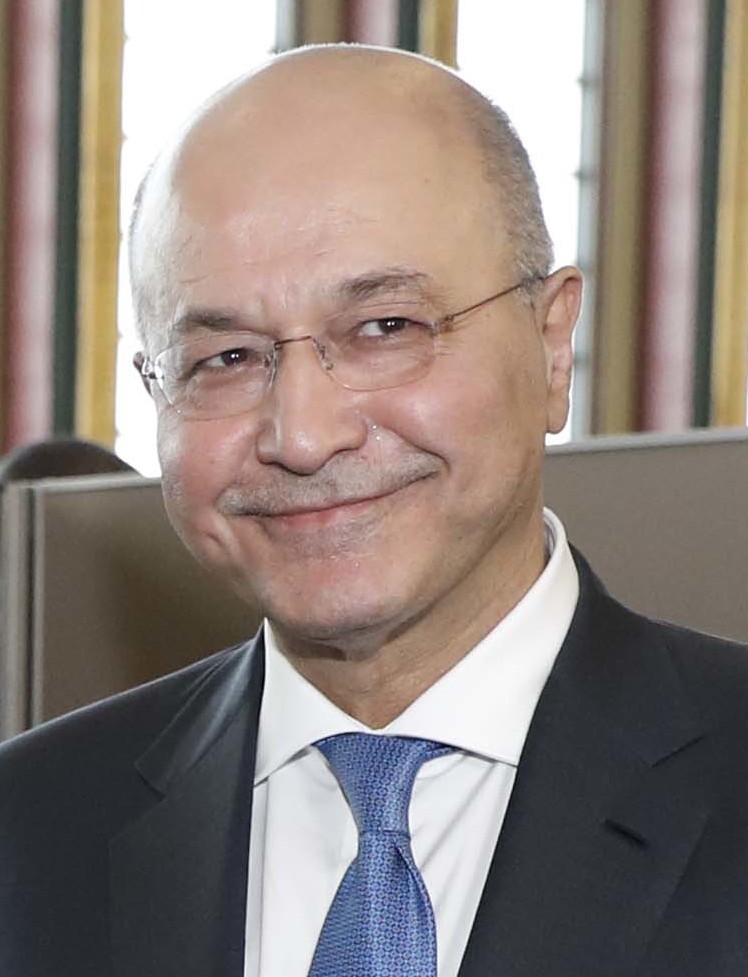
10 Images





Mandate and legal framework
UNHCR’s mandate is grounded in international treaties and customary international law. The agency’s protection work is primarily guided by the 1951 Convention Relating to the Status of Refugees and its 1967 Protocol, which set out key rights and state responsibilities; these instruments are often cited together as the legal foundation for refugee protection (1951 Refugee Convention). UNHCR’s activities are also informed by other human rights and humanitarian law standards (other international law), and its role has expanded over time to address statelessness and, when mandated or requested, to assist internally displaced people.
Key activities
UNHCR’s work combines protection, assistance and solutions. Major functions include:
- Protection: legal advice, refugee status determination, advocacy to ensure access to asylum and respect for fundamental rights. For background on the refugee concept see what constitutes a refugee.
- Humanitarian assistance: providing shelter, water and sanitation, health, education and other basic services in camps or urban settings.
- Durable solutions: promoting voluntary repatriation in safety and dignity, local integration where feasible, and resettlement to third countries when return or integration are not possible.
- Policy and prevention: working with governments to improve legal frameworks, reduce statelessness, and build national capacity for protection.
Organization, funding and partnerships
The agency is led by the High Commissioner and operates through regional bureaux and field offices in many countries. UNHCR depends mainly on voluntary funding from states, intergovernmental organizations and private donors rather than assessed UN contributions. It coordinates closely with national authorities, non-governmental organizations and other UN agencies, and participates in system-wide coordination mechanisms such as the United Nations Development Group chaired by UNDP.
History and notable facts
UNHCR was created in the aftermath of World War II to respond to large-scale displacement in Europe; since then its mandate and presence have grown as new crises have arisen worldwide. The organization has been recognized for its humanitarian work with the Nobel Peace Prize twice, first in 1954 and again in 1981.
Contemporary challenges
Contemporary issues include prolonged or protracted displacement that can last for decades, growing mixed migration flows that combine refugee and economic movement, tight funding that limits response capacity, and emerging drivers such as environmental change. While the 1951 Convention remains central to refugee protection, states and international organizations continue to develop complementary approaches to address people on the move and the complex humanitarian contexts they face.
Questions and answers
Q: What is the United Nations High Commissioner for Refugees?
A: The United Nations High Commissioner for Refugees is a part of the United Nations that aims to protect and support refugees when requested to do so by governments or the UN.
Q: What does UNHCR do to help refugees?
A: UNHCR helps refugees return home voluntarily, settle locally, or move to a third country according to the Convention Relating to the Status of Refugees and other international law.
Q: Where is UNHCR located?
A: UNHCR's headquarters are in Geneva, Switzerland.
Q: What is the United Nations Development Group?
A: The United Nations Development Group is a group chaired by the United Nations Development Programme of which the UNHCR is a member.
Q: How many Nobel Peace Prizes has UNHCR won?
A: UNHCR has won two Nobel Peace Prizes, one in 1954 and another in 1981.
Q: How does UNHCR operate?
A: UNHCR operates when requested to do so by governments or the UN and its purpose is to protect and support refugees according to the Convention Relating to the Status of Refugees and other international law.
Q: What is the main objective of UNHCR?
A: The main objective of UNHCR is to protect and support refugees when governments or the UN ask for help.
Related articles
Author
AlegsaOnline.com United Nations High Commissioner for Refugees (UNHCR) Leandro Alegsa
URL: https://en.alegsaonline.com/art/102979
Sources
- undg.org : undg.org/index.cfm?P=13
- nobelprize.org : "Nobel Laureates Facts – Organizations"