
George Burns: American Comedian, Actor, and Entertainer
George Burns (1896–1996) was an American comedian, actor and writer best known for his partnership with wife Gracie Allen, radio and TV work, a late film comeback, and a career that spanned vaudeville to cinema.
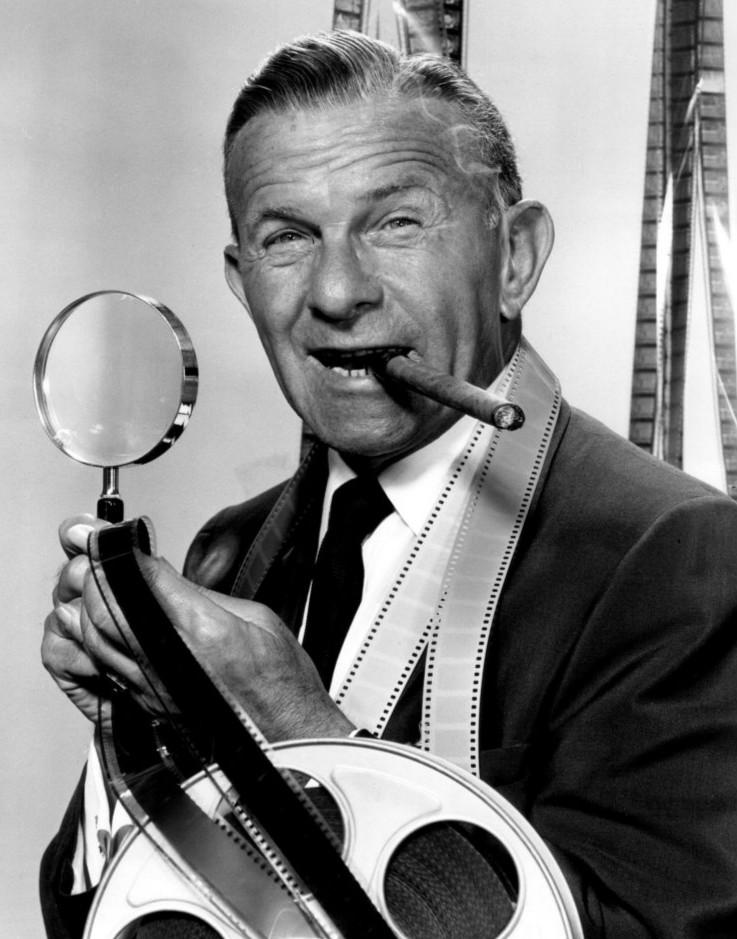
George Burns, born Nathan Birnbaum on January 20, 1896, was an American entertainer whose career spanned vaudeville, radio, television and film. He is widely remembered for the long-running comedy partnership with his wife, Gracie Allen, and for a late-life resurgence as a film actor. Burns combined a dry, deadpan delivery and a visible stage persona—often holding a cigar and playing the straight man—to create a deceptively simple and enduring comic style.
Image gallery
5 Images



Career and partnership
Burns began performing in vaudeville and small theatrical venues before forming a double act with Gracie Allen. Their Burns & Allen routines relied on the contrast between Burns's calm, rational delivery and Allen's eccentric, illogical observations. The duo moved naturally from stage to radio and then to television, becoming familiar figures in American living rooms. Their radio show ran nationally and the television series, also titled The Burns & Allen Show, enjoyed strong ratings and frequent national attention. For background on Burns's life and the partnership, see George Burns biography and contemporary accounts of the period.
In performance Burns played the foil to Gracie's comic persona: he set up jokes, reacted to her non sequiturs and provided a framing tone that made her absurdities land. Gracie's comic device of treating everyday matters with deliberately muddled logic became a signature of the act. Together they developed recurring sketches and characters that radio and television audiences came to expect. Their timing and familiarity with one another’s rhythms was a major element of their success.
Style, transition and screen work
Burns was known for his economy of movement, conversational timing and frequent use of a cigar as a prop. After the Burns & Allen series concluded, Burns continued performing as a solo personality. Decades into his career he experienced a cinematic comeback, earning renewed public acclaim for film roles that showcased his wit and warm stage presence. Notable later screen appearances include work that brought him an Academy Award and other honors, and a memorable turn in a mainstream comedy that reinforced his late-career popularity. For a list of his films and recorded performances consult filmographies and collections at film and media resources.
Beyond specific productions, Burns exemplified a continuity of American popular entertainment from the early 20th century vaudeville circuit through the mass media age. His professional persona—calm, slightly bemused, and reliably witty—served as a bridge between those eras and influenced later generations of straight men and comedic partners.
Gracie Allen remained a central creative force in the act and is often discussed alongside Burns when their style and legacy are considered; more on her life and contribution can be found at Gracie Allen. Together they built a model for husband-and-wife comedy teams and left a catalog of radio episodes, television programs and recorded bits that continue to be studied and enjoyed.
Notable facts and legacy:
- Burns's career began in live performance and adapted successfully to radio, television and film.
- His partnership with Gracie Allen was a defining example of the straight-man/comedian dynamic.
- He achieved renewed acclaim late in life with prominent film roles and industry recognition.
- Burns lived from 1896 to 1996 and is often cited as an example of a performer with remarkable professional longevity.
For readers interested in primary recordings, archived broadcasts and collections, the linked resources provide entry points to primary materials and curated retrospectives. Burns's influence is visible in the techniques of timing, understatement and partnership that remain staples of modern comedy.
Related articles
Author
AlegsaOnline.com George Burns: American Comedian, Actor, and Entertainer Leandro Alegsa
URL: https://en.alegsaonline.com/art/119558
Sources
- radiohof.org : Radio Hall of Fame
- museum.tv : Museum of Broadcast Communications