
Gracie Allen: American comedienne and actress
Gracie Allen (1895–1964) was an American comedienne and actress, best known as George Burns’s comic partner. She created a distinctive “illogical” persona across vaudeville, radio, film and early television.
Overview — Gracie Allen (July 26, 1895 – August 27, 1964) was an American comedienne and actress who became famous as the partner and wife of George Burns. Together they formed the Burns and Allen team, a household name in 20th-century American comedy. Allen’s stage personality, often described as delightfully illogical and non‑sequitur driven, made her a popular figure in vaudeville, radio, motion pictures and early television. For a concise biographical summary see biography.
Image gallery
9 Images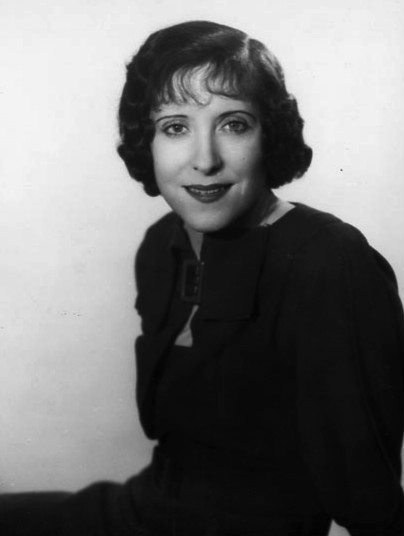
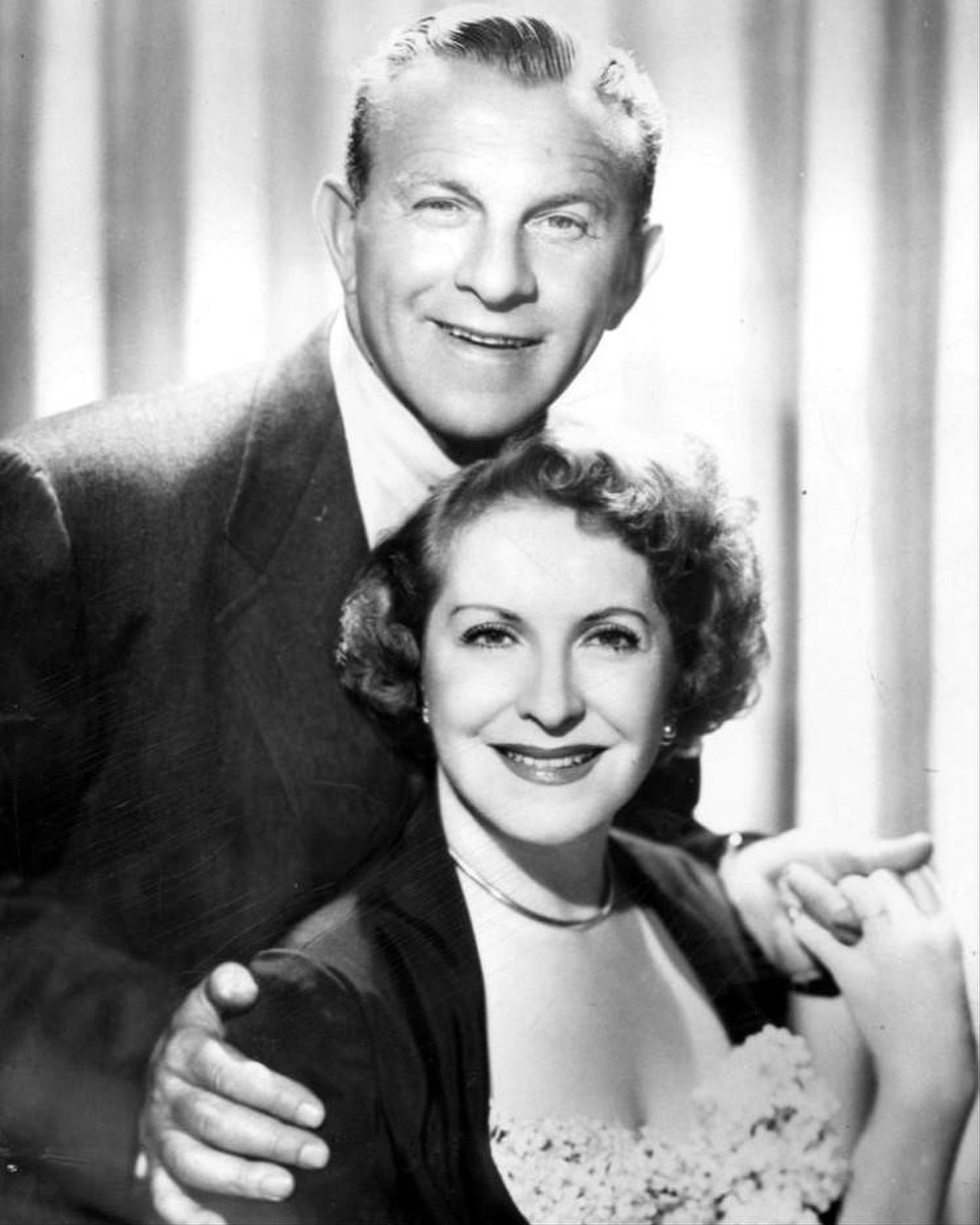


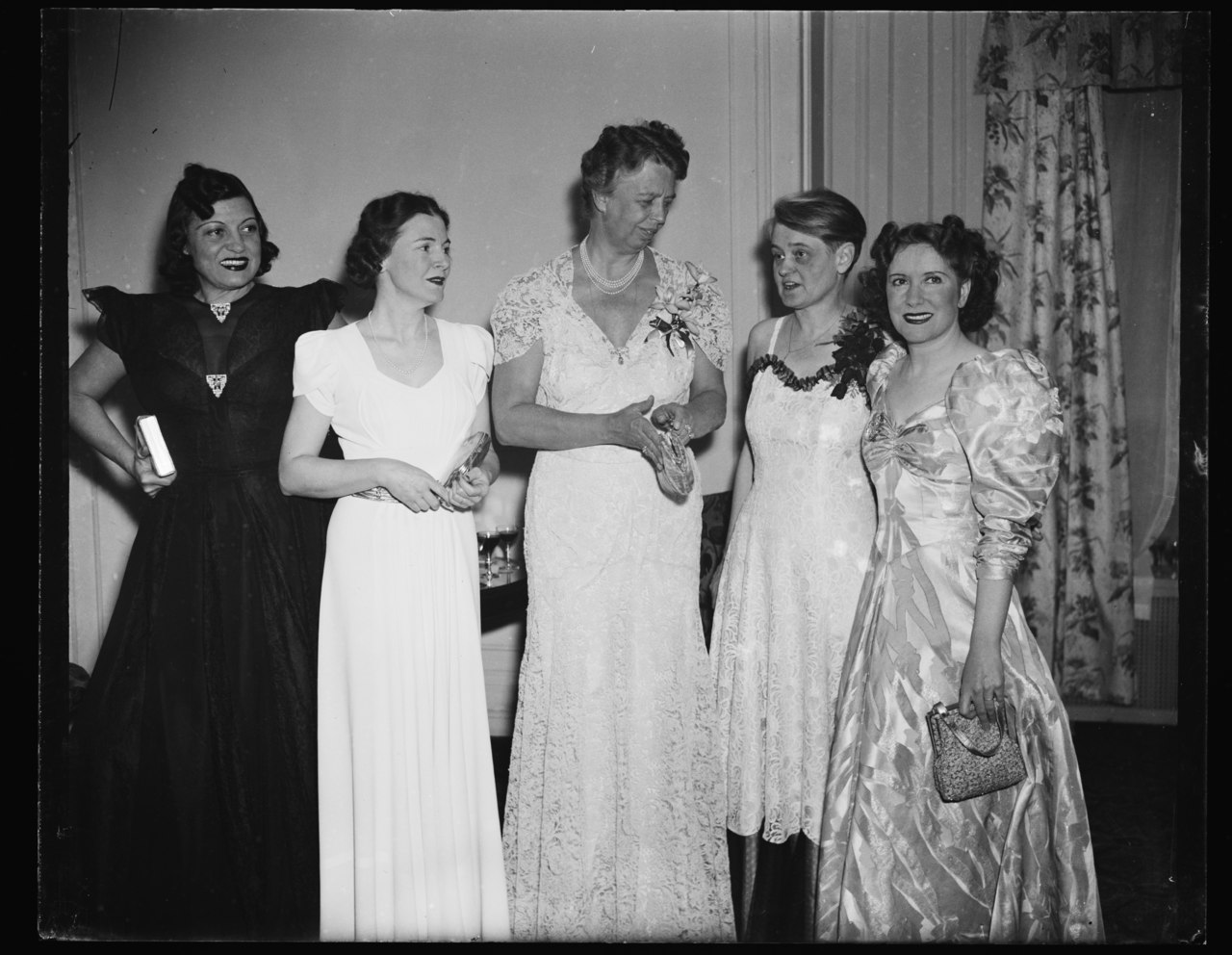


Early life and rise to fame
Born in San Francisco, Allen began performing in local variety shows before joining vaudeville circuits. Her onstage chemistry with George Burns evolved from a straight man–comic partnership into a marriage and a professional duo that moved fluidly between live theatre, radio broadcasts and studio pictures. Her early work and the development of her comic timing are discussed in many historical overviews of American entertainment history.
Career and style
Allen’s comedy relied on an apparent confusion about everyday logic, a talent for turning simple observations into absurd conclusions, and a gentle delivery that invited laughter rather than ridicule. She and Burns headlined a long-running radio program and later a television series that showcased sketches, family scenes and comic monologues. Her screen and radio appearances and a selected filmography are available at filmography.
Notable features and examples
- Vaudeville beginnings that trained her timing and stage presence.
- Radio success in the 1930s–1940s, which expanded her national audience.
- Transition to television in the late 1940s and 1950s, retiring in 1958.
One recurring element of their show was a staged closing exchange in which Burns prompted Allen to deliver a final line—an affectionate ritual that became part of their public identity.
Legacy and significance
Gracie Allen is remembered both for her partnership with Burns and for a unique comedic voice that influenced later performers who used absurdity and deliberate malapropism. Scholars and fans continue to study her routines for their craft and timing; curated collections and archival material can be found through dedicated repositories archives and entertainment libraries collections. Interviews and retrospectives about Burns and Allen are available at broader media archives media archives, and information about their personal and professional partnership appears in many studies of American comedy Burns and Allen resources.
Notable facts: Allen’s public persona was a carefully constructed act rather than a literal portrait of her private intelligence. Although she retired from regular performing in 1958, her influence on comic phrasing and female comedic presence persisted long after her final appearance.
Related articles
Author
AlegsaOnline.com Gracie Allen: American comedienne and actress Leandro Alegsa
URL: https://en.alegsaonline.com/art/120001
Sources
- genealogy.com : "Ancestry of Gracie Allen"