
George Carlin: Comedian, Social Critic, and Cultural Influencer
Overview of George Carlin (1937–2008): his career as a comedian, actor, author and writer, signature themes, landmark controversies, notable works and enduring influence on comedy and public discourse.
Overview
George Denis Patrick Carlin (May 12, 1937 – June 22, 2008) was a prominent American stand-up comedian, actor and author whose work combined sharp wordplay, social criticism and dark humor. He worked across media as an actor, published books and performed dozens of recorded routines as an author and spoken-word artist. Carlin is widely regarded for transforming observational comedy into pointed cultural commentary and for pushing boundaries around language and taboo subjects.
Image gallery
9 Images


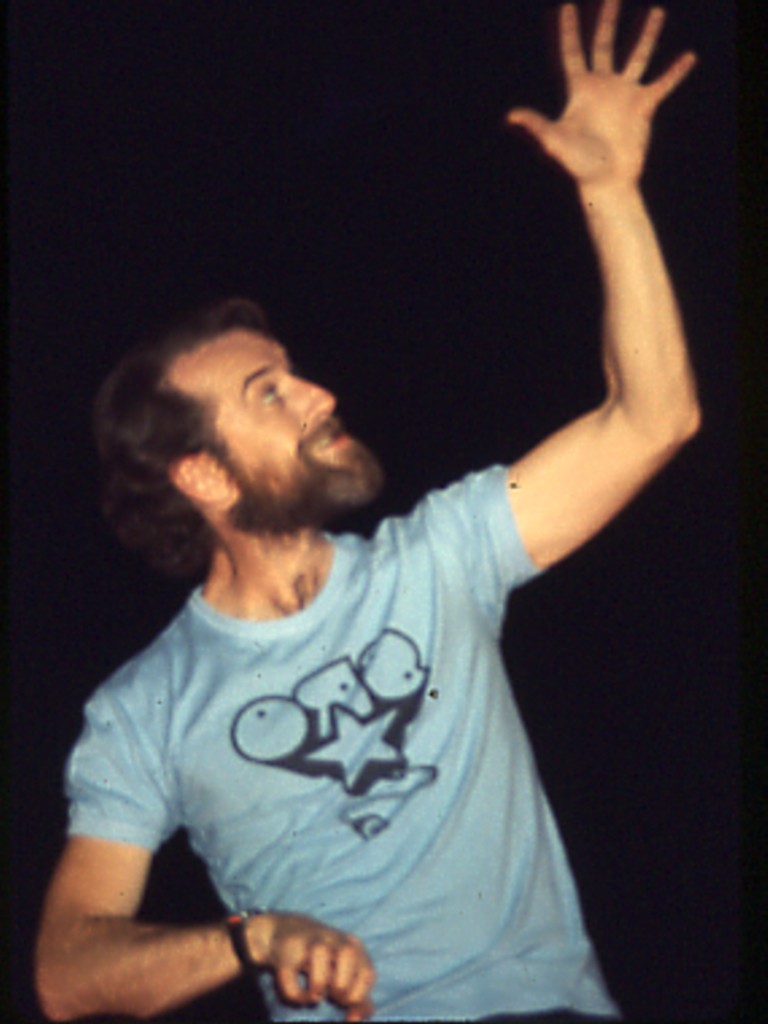


Life and career
Carlin began performing in the late 1950s and achieved mainstream success in the 1960s and 1970s. He moved from short-form television appearances and nightclub sets to longer, thematic stand-up shows and recorded albums. Over a career that spanned five decades he evolved from light-hearted joke-teller to a confrontational, reflective figure who examined politics, religion and American life.
Style and major themes
His comedy is known for meticulous attention to language, clever routines about everyday speech, and routines that exposed social hypocrisies. Carlin often addressed psychology, organized religion, consumerism and political power, using irony and repetition to build arguments. A defining moment was his routine exploring prohibited words, which highlighted differences between private speech and public standards.
Works and performances
- Stand-up albums and specials: several acclaimed recordings and HBO specials that documented his evolving voice.
- Books and writing: collections of essays and reflections published in print.
- Film and voice work: appearances in feature films and animated projects where he brought his distinctive delivery to character roles, and continued to act as an comedian onstage and on-screen.
- Public engagements: frequent interviews, radio appearances and later documentaries that preserved his routines and opinions as a writer and commentator.
Controversy and impact
Carlin's routines sometimes provoked public debate and legal scrutiny over broadcast decency standards. One of his most discussed pieces led to regulatory and judicial attention that shaped how broadcasters handled profanity and indecency. His confrontational approach made him a symbol of free speech for many and a lightning rod for critics.
Legacy
George Carlin influenced generations of comedians and social critics by demonstrating that stand-up could be a vehicle for sustained critique as well as humor. His phrasing and routines continue to be cited, studied, and imitated. He is remembered as a performer who blended linguistic precision, philosophical skepticism and fearless social observation, and as a public intellectual of popular culture. For further reading and archival material see resources and retrospectives by publishers and broadcasters, and collections curated by institutions and fans alike (more).
Questions and answers
Q: Who was George Carlin?
A: George Carlin was an American actor, author, comedian and writer.
Q: When was he born?
A: He was born on May 12, 1937.
Q: When did he pass away?
A: He passed away on June 22, 2008.
Q: What type of comedy did he specialize in?
A: He specialized in dark comedy and jokes about politics, the English language, psychology, religion and taboo topics.
Q: What other roles did he have besides being a comedian?
A: Besides being a comedian, he was also an actor, author and writer.
Q: Did his work receive any recognition?
A: Yes, his work received many awards including five Grammy Awards for Best Comedy Album.
Related articles
Author
AlegsaOnline.com George Carlin: Comedian, Social Critic, and Cultural Influencer Leandro Alegsa
URL: https://en.alegsaonline.com/art/119562
Sources
- bookfinder.com : "Watch My Language"