
George Caleb Bingham (1811–1879)
American painter known for realist riverfront scenes and Luminist landscapes along the Missouri River; also active in local politics and later rediscovered as a major 19th‑century artist.
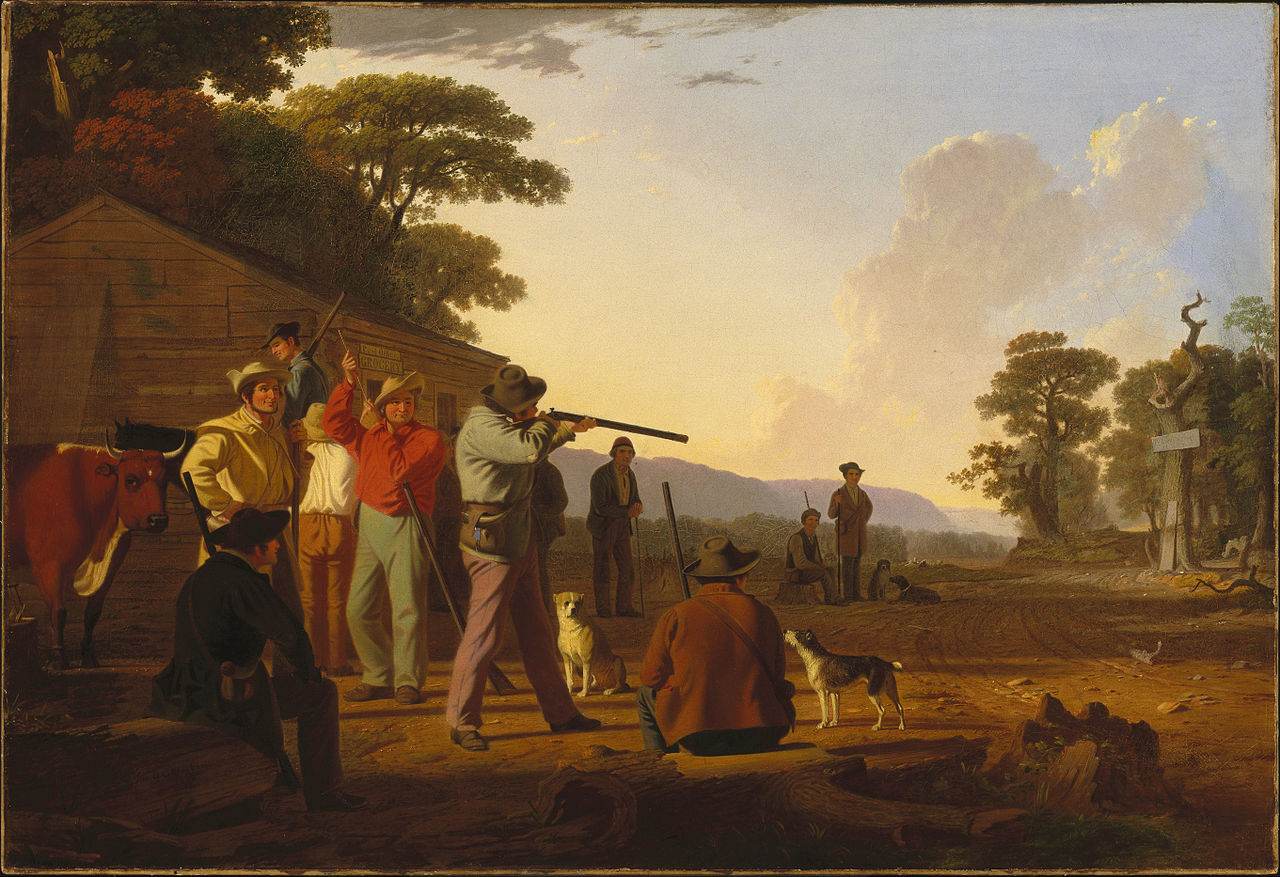
George Caleb Bingham (1811–1879) was an American painter whose work documents everyday life on the mid‑19th‑century frontier, especially communities and river traffic along the Missouri. He produced portraits, landscapes and carefully observed genre scenes that combine narrative detail with a refined attention to light and atmosphere. His paintings became central examples of American Luminism and of the visual record of westward expansion.
Image gallery
10 Images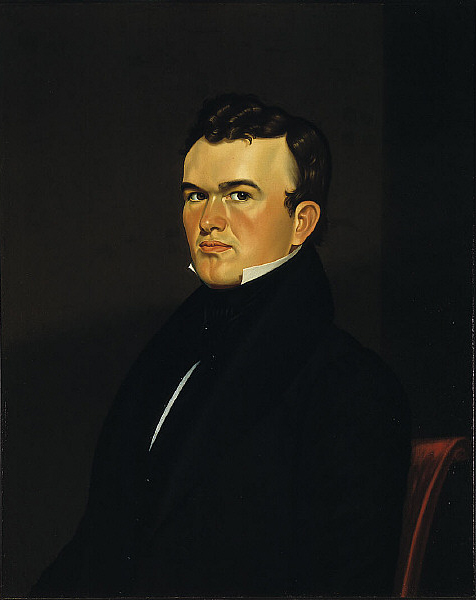


Style and subjects
Bingham’s art is noted for clear compositions, controlled brushwork and a distinct treatment of light that emphasizes stillness and clarity. He often depicted flatboats, steamboats, hunters and townspeople in moments of public ritual or everyday labor. These scenes balance documentarian accuracy with compositional order, allowing viewers to read social interactions, political ritual and economic activity in the expanding frontier.
Major themes and examples
Recurring subjects include river commerce, civic life and the customs of frontier communities. Several of his best‑known works present political and social gatherings with narrative ambiguity, inviting interpretations about democracy and citizenship in a changing nation. Representative paintings include:
- The Jolly Flatboatmen — a lively group portrait of men on a flatboat, illustrating river life and camaraderie.
- Fur Traders Descending the Missouri — a quiet, contemplative scene that juxtaposes human figures with a wide river landscape.
- The County Election — a complex civic tableau that examines political culture and public participation in a frontier county.
Historical context and public life
Bingham worked in and around the Missouri River valley, where river traffic and the fur trade shaped local economies. He combined artistic work with public service: he was elected to local and state offices and used his paintings to explore civic questions. During his lifetime his reputation was modest, and many of his works passed into regional collections.
Reception and legacy
Interest in Bingham’s paintings grew in the 20th century when scholars and curators reassessed 19th‑century American art and the importance of regional subjects. By the mid‑20th century he was widely recognized as a major American painter whose river scenes and civic pictures illuminate both the material culture and the political life of the frontier. For introductions to his life and work see a concise biography, resources on Luminism, and studies of the Missouri River as a cultural landscape.
Related articles
Author
AlegsaOnline.com George Caleb Bingham (1811–1879) Leandro Alegsa
URL: https://en.alegsaonline.com/art/119560
Sources
- shs.umsystem.edu : George Caleb Bingham